How Kopi Luwak Coffee Is Made from Civet Droppings
Ever wondered how coffee beans eaten and pooped out by a cat-like animal become some of the world’s most expensive coffee? That’s the core question behind Kopi Luwak—the famed ‘civet coffee’ from Indonesia. While the idea may sound strange, this unique processing method is rooted in real agricultural practice, geographic conditions, and centuries-old traditions.
Kopi Luwak is made in four steps: civets eat ripe coffee cherries, the undigested beans are collected from their feces, cleaned, and then roasted. Each batch goes through natural fermentation inside the civet’s digestive tract before being carefully processed by hand.
What Is Kopi Luwak?
Kopi Luwak—also called civet coffee—is a type of coffee bean that has been eaten, digested, and excreted by the Asian palm civet, a small mammal native to Southeast Asia. The beans are then recovered, cleaned, and roasted. The result is a distinctive coffee with a reputation for a smooth, less acidic profile. This method originated in Indonesia, particularly on the islands of Sumatra, Java, and Sulawesi.
Why Do Civets Eat Coffee Cherries?
Civets naturally seek out ripe, red coffee cherries because of their sweet, fruity pulp. They can’t digest the hard coffee beans inside, so the beans pass through their digestive system partially fermented. This fermentation inside the civet is believed to alter the beans’ protein structure, reducing bitterness and creating a unique flavor profile.
How Civet Coffee Is Processed Step by Step
The production of Kopi Luwak follows a strict, labor-intensive process:
- 1. Civets Select and Consume Ripe Coffee Cherries: The Asian palm civet chooses only the ripest, reddest coffee cherries from coffee trees. These cherries are sweeter and more flavorful, attracting the civets.
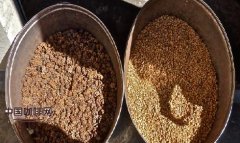
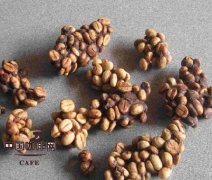
- 2. Collect Beans from Civet Feces: After digestion, the civet excretes the coffee beans. Workers manually collect the droppings and carefully sort through them to find whole, undigested beans.
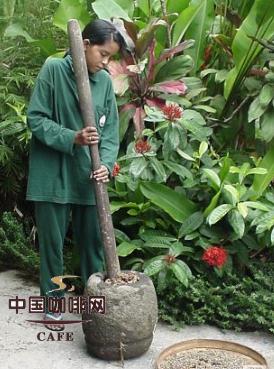
- 3. Remove the Silver Skin and Clean the Beans: Each bean is still covered in a thin, silvery outer membrane. This layer is gently removed, and the beans are thoroughly rinsed to remove any organic matter.
- 4. Dry and Roast the Beans: The cleaned beans are spread out in the sun to dry. Once dried to the proper moisture level, they are roasted using standard coffee roasting techniques to develop flavor.
Where Does Kopi Luwak Come From?
Most Kopi Luwak originates in Indonesia, the world’s fourth-largest coffee producer. The country consists of over 17,000 islands with a tropical climate, volcanic soil, and distinct wet and dry seasons—all ideal for coffee growing. The most famous regions include Sumatra’s Gayo Highlands and Lake Toba’s Lintong area, both over 1,100 meters in elevation.
Sumatra is especially known for its earthy, herbal Mandheling coffees, often processed using the local wet-hulling (Giling Basah) method. While Kopi Luwak is separate from these typical Sumatran coffees, it shares the same regional terroir and elevation advantages.
Is Kopi Luwak Worth the Hype?
Kopi Luwak is one of the most expensive coffee types in the world due to the rarity and labor involved. However, flavor is subjective. Some drinkers report a smoother, less acidic cup with hints of earthiness and fermentation. Others find the ethical and quality control issues outweigh the taste benefits. What’s certain is that the digestive process gives these beans a truly unique journey before roasting.
Frequently Asked Questions
What is the origin of Kopi Luwak coffee?
Kopi Luwak comes from Indonesia, primarily from the islands of Sumatra, Java, and Sulawesi. It originates from coffee beans eaten by the Asian palm civet, a small mammal that only digests the fruit pulp and excretes the beans.
How are the coffee beans collected from civet droppings?
Workers manually collect the droppings of civets and carefully sort through them to find intact, undigested coffee beans. These beans are then separated from the waste material for further cleaning.
What happens to the beans inside the civet’s digestive system?
The beans are not digested but ferment as they pass through the civet’s intestines. This natural fermentation is believed to modify the proteins in the beans, leading to a smoother and less bitter flavor after roasting.
How are the beans cleaned before roasting?
After collection, the beans are washed to remove any remaining organic matter. They are then carefully freed from their silvery outer skin (silver skin) before being dried in the sun.
Does Kopi Luwak come from a specific region in Indonesia?
Yes, most Kopi Luwak is produced in regions like Sumatra’s Gayo highlands and Lake Toba’s Lintong area, which are also known for high-quality Mandheling and Lintong Mandheling coffees grown at 1,100–1,600 meters altitude.
Is the civet coffee process ethical?
The article does not address ethics, but this is a common concern among consumers. It’s worth researching how the civets are treated, as some commercial operations have faced criticism over animal welfare.
Recommended FrontStreet Beans from Indonesia
For coffee lovers curious about Indonesia’s rich coffee heritage, try FrontStreet’s Lintong Mandheling, a classic single origin with herbal and earthy tones, and PWN Golden Mandheling, known for its sweet, toasty profile with notes of caramel and cocoa. Both beans are grown at 1,100–1,600 meters and processed using traditional methods, offering a genuine taste of Sumatra. Freshly roasted within 5 days · Orders placed before 17:00 ship the same day · Next-day delivery across most of Guangdong Province.
FrontStreet Coffee is a long-established specialty coffee roaster in Guangzhou China, selling freshly roasted beans from its own farm in Yunnan as well as dozens of carefully selected single-origin beans from around the world for both pour-over and espresso. The products deliver consistently excellent quality and great value, with shipping within 24 hours. Guangzhou's FrontStreet Coffee shop is recommended by many coffee lovers, and the beans are now available online at the Tmall 。
Important Notice :
前街咖啡 FrontStreet Coffee has moved to new addredd:
FrontStreet Coffee Address: 315,Donghua East Road,GuangZhou
Tel:020 38364473