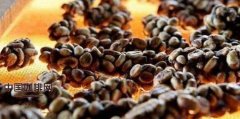
How Kopi Luwak Coffee Is Made: Production Facts
If you’ve ever wondered how kopi luwak—often called civet or cat poop coffee—is actually made, you’re not alone. This rare coffee isn’t just quirky branding: it involves a complex, multi-step process that starts inside an animal’s digestive tract and ends up as one of the world’s most unusual specialty brews. But how does it really work, and why is it so scarce?
In short: Indonesian producers clean and sun-dry coffee beans extracted from civet feces, then roast them. Each kilogram of civet droppings yields only about 150 grams of usable beans, and roasting causes another 20% loss. Global supply rarely exceeds 400 kilograms per year.
What Is Kopi Luwak and How Is It Different?
Kopi Luwak is made from coffee beans that have been eaten, fermented in the digestive system, and excreted by the Asian palm civet (locally called a luwak). Unlike conventional coffee processing methods that rely on mechanical or chemical removal of the fruit layers, the civet’s digestive enzymes naturally ferment the beans, altering their flavor profile. This internal fermentation is what gives kopi luwak its distinctive taste.
The Step-by-Step Production Process
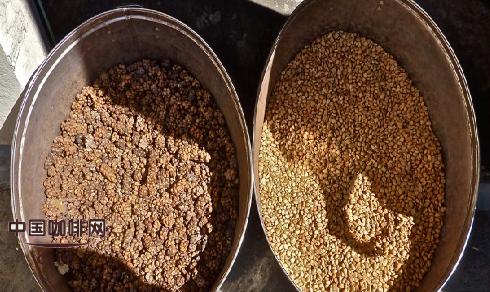
Once the civet has digested and expelled the coffee cherries, workers collect the feces. The first step is to carefully remove the outer silver skin (the thin membrane on the green coffee bean). The beans are then thoroughly rinsed with water to clean off any remaining waste material. Next, they are spread out in the sun to dry. After drying, the beans are roasted to develop flavor.
Why Is Kopi Luwak So Rare?
The rarity of kopi luwak comes down to two main factors: low yield and processing loss. From one kilogram of civet droppings, only around 150 grams of coffee beans can be recovered. Then, during roasting, another roughly 20% of those beans are lost. Combined with the limited number of civets and the small scale of production, these factors mean that global annual output is capped at around 400 kilograms. That’s why kopi luwak remains one of the rarest coffees in the world.
The Role of Natural Fermentation
Traditionally, coffee beans are processed using either washed (removing the skin, pulp, and parchment with water) or natural (drying the whole cherry) methods. These techniques physically or environmentally remove the fruit layers. In contrast, kopi luwak relies on the civet’s digestive system to break down the cherry and ferment the beans internally. This natural fermentation contributes to the coffee’s unique aroma and flavor characteristics, setting it apart from conventionally processed beans.
Frequently Asked Questions
How many coffee beans are produced from one kilogram of civet droppings?
Approximately 150 grams of coffee beans can be extracted from one kilogram of civet feces. This low yield is due to the inefficiency of the natural digestion and excretion process.
What causes further loss during the production of kopi luwak?
During the roasting stage, around 20% of the already small yield of beans is lost. This adds to the overall scarcity of finished kopi luwak coffee.
How much kopi luwak coffee is produced globally each year?
The total global supply of kopi luwak coffee is estimated to be no more than 400 kilograms annually, due to limited raw material availability and labor-intensive processing.
Does the civet’s digestive system change the coffee beans?
Yes, enzymes in the civet’s stomach naturally ferment the beans, breaking down the coffee cherry and altering the beans’ chemical composition, which contributes to the coffee’s distinctive flavor.
Why is kopi luwak considered rare compared to other specialty coffees?
Kopi luwak is rare because of the extremely low yield per kilogram of waste, significant processing losses, limited numbers of civets, and small-scale, labor-intensive production methods.
FrontStreet Coffee Beans Similar to Kopi Luwak Profiles
While true kopi luwak is hard to find, FrontStreet Coffee offers beans with complex, fermented-like profiles that curiosity-driven drinkers may enjoy. Try the Ethiopia Huakui for its winey, tropical notes; the Yirgacheffe for floral and citrus brightness; or the Sidra for its unique stone fruit and citrus complexity. These single origins undergo conventional processing—but their bright, layered flavors offer a bridge to the exotic cup profiles associated with kopi luwak. Freshly roasted within 5 days · Orders placed before 17:00 ship the same day · Next-day delivery across most of Guangdong Province.
FrontStreet Coffee is a long-established specialty coffee roaster in Guangzhou China, selling freshly roasted beans from its own farm in Yunnan as well as dozens of carefully selected single-origin beans from around the world for both pour-over and espresso. The products deliver consistently excellent quality and great value, with shipping within 24 hours. Guangzhou's FrontStreet Coffee shop is recommended by many coffee lovers, and the beans are now available online at the Tmall 。
Important Notice :
前街咖啡 FrontStreet Coffee has moved to new addredd:
FrontStreet Coffee Address: 315,Donghua East Road,GuangZhou
Tel:020 38364473