What Makes Kopi Luwak Coffee Unique
If you’ve heard whispers about coffee that’s been through an animal’s digestive system—and wondered what actually makes it taste so different—you’re not alone. Kopi Luwak, commonly called 'cat poop coffee,' has long stirred curiosity for its unusual production method and bold claims about flavor. But what’s really going on inside that cup?
Kopi Luwak coffee gets its signature thick, rich flavor from fermentation inside the Asian palm civet’s intestines. The beans pass through the civet’s digestive tract, where unique bacteria alter their chemical makeup. This natural fermentation process results in a cup that’s unusually viscous and full-bodied compared to conventionally processed coffees.
How Civet Digestion Alters Coffee Beans
Kopi Luwak begins like any other coffee: harvested coffee cherries are eaten by the Asian palm civet, a small mammal native to Southeast Asia. But instead of being roasted straight off the tree, these cherries are digested. Inside the civet’s gut, enzymes and bacteria break down the coffee cherry’s pulp and mucilage, while the beans remain intact. This internal fermentation is the key to the coffee’s distinctive profile.
The Role of Fermentation in Flavor Development
During the civet’s digestion, the coffee beans undergo a unique fermentation process. The animal’s stomach provides a controlled environment where specific microbes interact with the beans. This alters the proteins and acids in the green coffee, reducing perceived acidity and increasing body. The result is a cup that tasters often describe as unusually thick, smooth, and syrupy—qualities that set it apart from standard washed or natural processed beans.
Why Kopi Luwak Is So Rare
The scarcity of Kopi Luwak is no marketing gimmick. Each civet eats only small amounts of coffee cherries, and the beans must be carefully collected from the animal’s droppings, cleaned, and sorted. The entire process is labor-intensive and low-yield. Authentic Kopi Luwak comes from wild or ethically managed civets, and the limited number of beans produced each season contributes to its exclusivity and high price.
Does Processing Really Change the Cup?
Yes. Multiple sensory analyses confirm that beans fermented in a civet’s gut develop a heavier mouthfeel and more muted acidity. The fermentation breaks down certain compounds responsible for sharp or sour notes, leading to a smoother, more rounded flavor. While taste is subjective, many drinkers report deeper caramel or chocolate tones, with a lingering, velvety finish.
Frequently Asked Questions
What is Kopi Luwak coffee made from?
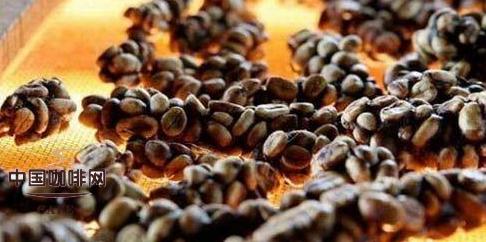
Kopi Luwak is made from coffee beans that have been eaten and excreted by the Asian palm civet. The beans are collected from the animal’s feces, cleaned, and roasted. The digestive process the beans undergo is what gives this coffee its unique traits.
How does civet digestion affect coffee flavor?
The civet’s stomach enzymes and gut bacteria ferment the coffee beans, breaking down acids and proteins. This reduces acidity and increases body, resulting in a thicker, smoother, and often sweeter cup with less perceived sourness.
Why is Kopi Luwak so expensive?
Kopi Luwak is rare because each civet eats only a few coffee cherries, and the beans must be hand-collected from feces. The limited supply, combined with the unusual processing method, drives up both cost and exclusivity.
Is the fermentation process safe?
When properly cleaned and roasted, Kopi Luwak beans are safe to consume. The civet’s digestion occurs naturally, but modern producers follow strict hygiene protocols to ensure the beans are sanitized before roasting.
Does Kopi Luwak really taste different?
Yes. Tasters often note a heavier body, lower acidity, and flavors resembling dark chocolate or caramel. The unique fermentation inside the civet’s gut leads to a distinctly smooth and syrupy cup compared to conventional coffees.
Can I try Kopi Luwak at home?
Authentic Kopi Luwak is hard to find outside specialty markets. Due to ethical concerns and rarity, many coffee professionals recommend exploring high-quality processed beans instead—but if you do try it, look for ethically sourced versions.
Recommended FrontStreet Coffees for Bold Body
For drinkers curious about thick, rich coffee profiles similar to Kopi Luwak’s renowned mouthfeel, try FrontStreet Coffee’s PWN Golden Mandheling. This medium-to-dark roast features layers of caramelized sweetness, bold nuttiness, and a velvety texture with hints of dark chocolate. For something sweeter and smoother, the Black Cocoa Blend combines Brazilian and Yunnan beans with a touch of Robusta for dense cocoa and nut notes, ideal for those who enjoy a full-bodied cup. Both offer the kind of richness that echoes the body Kopi Luwak is known for. Freshly roasted within 5 days · Orders placed before 17:00 ship the same day · Next-day delivery across most of Guangdong Province.
FrontStreet Coffee is a long-established specialty coffee roaster in Guangzhou China, selling freshly roasted beans from its own farm in Yunnan as well as dozens of carefully selected single-origin beans from around the world for both pour-over and espresso. The products deliver consistently excellent quality and great value, with shipping within 24 hours. Guangzhou's FrontStreet Coffee shop is recommended by many coffee lovers, and the beans are now available online at the Tmall 。
Important Notice :
前街咖啡 FrontStreet Coffee has moved to new addredd:
FrontStreet Coffee Address: 315,Donghua East Road,GuangZhou
Tel:020 38364473