How Turkish Coffee Cup Reading Became a Cultural Ritual
Ever finished your coffee and wondered if the sludge left at the bottom could tell your future? In Turkey, they don’t just wonder—they read it. For centuries, Turkish coffee drinkers have turned their empty cups upside down to uncover symbols in the grounds, using them to predict love, luck, and life events. This isn’t just folklore; it’s a social ritual backed by a very specific brewing method that ensures those grounds are thick enough to form meaningful patterns.
The key detail? Turkish coffee is unfiltered, leaving a thick layer of fine coffee grounds in the cup—exactly what makes cup reading possible. Each reading takes around 15 minutes after the coffee is drunk, done by interpreting the cooled residue’s natural shapes.
What Makes Turkish Coffee Different?
Turkish coffee isn’t just a style—it’s a method. The process involves grinding roasted coffee beans into a very fine powder and brewing it directly in water using a special small copper or brass pot called a cezve. Unlike filtered coffee, Turkish coffee is never filtered. That means no paper, no metal mesh—just coffee grounds boiled with water, often with sugar, and served as-is. The lack of filtration leaves behind a thick, silty layer of coffee particles at the bottom of the cup, creating the foundation for traditional coffee readings.
A Social Drink with Deep Roots
In Turkey, coffee isn’t just a beverage; it’s a cultural institution. There’s a well-known proverb: “Drink a cup of Turkish coffee, and you’ll remember each other for forty years.” Beyond the caffeine, coffee fuels conversations about family, love, and respect. Nearly every village, no matter how small, has a kahvehane—a traditional coffeehouse. These aren’t just places to sip coffee; they’re hubs for socializing, playing backgammon (known locally as tavla), and, especially for women, chatting over coffee and divination. In Istanbul, it’s common to see men relaxing over water pipes alongside their coffee.
How Turkish Coffee Cup Reading Works
The ritual is simple but specific. After drinking the coffee—carefully, so as not to disturb the grounds—the cup is turned upside down onto a saucer. The grounds are left to cool and settle, usually for a few minutes. Once cooled, the cup is lifted, and the pattern left by the coffee grounds on the inside of the cup and the saucer is interpreted by a skilled kahve falı (coffee fortune-teller). The shapes and symbols formed—ranging from hearts to snakes to bridges—are believed to represent different aspects of the drinker’s future. Each reading session typically lasts about 15 minutes and is often accompanied by conversation and laughter.
This practice isn’t just a quirky tradition; it’s deeply embedded in Turkish social life. Many coffee shops, especially in Istanbul, offer regular cup reading sessions. One notable spot, “Istanbul Coffee Shop,” even has a dedicated transparent glass room where readings are held publicly every Tuesday, Wednesday, and Thursday afternoon at 3 PM. Visitors can enjoy their coffee and then watch as the patterns in their cup are decoded.
Why the Residue Matters
The thick grounds are essential—not only for texture and taste but for the actual practice of divination. Because the coffee is never filtered, the fine particles remain suspended and eventually settle in visually interesting ways. The residue isn’t just leftover; it becomes a canvas for interpretation, with each symbol open to the reader’s intuition. This unfiltered method ensures the coffee is bold and heavy, with a consistency that Western-style filtered coffee simply can’t replicate. It’s this very heaviness that allows the grounds to stick and form the patterns used in readings.
Frequently Asked Questions
What is Turkish coffee cup reading?
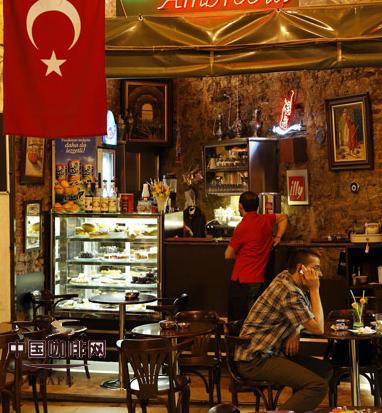
Turkish coffee cup reading, or kahve falı, is a traditional practice where the coffee grounds left in the cup after drinking are interpreted to predict future events. The reader looks at the patterns formed by the grounds on the cup and saucer to give insights about love, money, health, and more.
Why are the coffee grounds not filtered in Turkish coffee?
Turkish coffee is unfiltered intentionally. The coffee grounds are boiled directly in water and served with the fine particles still in the cup. This creates a thick, strong brew and leaves behind the residue needed for coffee cup reading.
How long does a Turkish coffee reading take?
Each Turkish coffee cup reading typically takes about 15 minutes. This includes time for the grounds to cool and settle after the coffee is consumed.
Where can you experience coffee cup reading in Turkey?
In Turkey, many traditional coffee shops, especially in Istanbul, offer coffee cup reading. One example is "Istanbul Coffee Shop," which holds public readings every Tuesday, Wednesday, and Thursday at 3 PM in a dedicated glass room.
What kind of coffee is used for Turkish coffee?
Turkish coffee uses finely ground roasted coffee beans that are boiled with water (and often sugar) in a small pot called a cezve. It is unfiltered and has a thick, sludgy residue at the bottom of the cup.
Is Turkish coffee the same as espresso?
No, Turkish coffee is not the same as espresso. While both use finely ground coffee, Turkish coffee is boiled in a cezve and unfiltered, resulting in a thick, strong drink with grounds at the bottom. Espresso is a filtered shot made under high pressure.
Recommended FrontStreet Beans for Traditional Brewing
For drinkers curious about bold, unfiltered coffee traditions like Turkish brewing, FrontStreet Coffee’s Ethiopia Humbera offers bright floral and citrus notes with a light body ideal for exploring brewing diversity. Alternatively, their Yirgacheffe delivers juicy berry tones and a tea-like clarity—great for appreciating origin character without filtration. Both beans highlight the importance of grind size and brewing technique, much like Turkish coffee does. Freshly roasted within 5 days · Orders placed before 17:00 ship the same day · Next-day delivery across most of Guangdong Province.
FrontStreet Coffee is a long-established specialty coffee roaster in Guangzhou China, selling freshly roasted beans from its own farm in Yunnan as well as dozens of carefully selected single-origin beans from around the world for both pour-over and espresso. The products deliver consistently excellent quality and great value, with shipping within 24 hours. Guangzhou's FrontStreet Coffee shop is recommended by many coffee lovers, and the beans are now available online at the Tmall 。
Important Notice :
前街咖啡 FrontStreet Coffee has moved to new addredd:
FrontStreet Coffee Address: 315,Donghua East Road,GuangZhou
Tel:020 38364473