How to Make Latte Art: A Step-by-Step Guide
If you’ve ever watched a barista pour a perfect heart or leaf into a cup of espresso and milk and wondered how they did it, you’re not alone. Latte art looks magical—but it’s built on solid technique, the right milk texture, and good espresso. This guide breaks down everything you need to know to start making latte art at home or in a cafe setting.
To make basic latte art, you’ll need properly extracted espresso, steamed milk with microfoam at 60°C (not over 70°C), and a steady hand. The key steps include pouring the milk to create fusion, then using wrist movements to form a ‘zig-zag’ pattern before finishing with a straight line for the leaf stem.
What Is Latte Art and Where Did It Come From?
Latte art refers to the patterns created on the surface of espresso drinks—most commonly hearts, leaves, and tulips—by manipulating steamed milk as it’s poured into espresso. Though its exact origins are undocumented, latte art emerged as a high-difficulty performance skill in coffee shops across Europe and North America. These intricate techniques wowed early audiences and quickly became a hallmark of skilled baristas. Over time, the focus expanded beyond just visuals to include the texture of the milk and how well it integrates with the espresso, aiming for a balance of colour, aroma, and taste.
Why Milk Texture Matters in Latte Art
The quality of your milk foam is crucial. Good latte art requires microfoam—steamed milk with tiny, uniform bubbles that integrate smoothly with espresso. The process isn’t about big bubbles or stiff foam, but about creating a velvety texture that allows for controlled pouring and shaping. Whether you’re going for hot or cold milk, temperature control is essential: steam milk to around 60°C, and never exceed 70°C, or you’ll risk damaging the milk’s proteins. For iced latte art, cool the milk to below 5°C without freezing it.
How to Steam Milk for Latte Art
Start with cold milk and pour it into your steam pitcher, filling it no more than halfway to allow room for expansion. Steam the milk while inserting the steam wand just below the surface to introduce air—this creates the foam. Use quick, light movements of the steam wand’s tip to draw in air for about 30 seconds, but don’t plunge it deep. Once you have the right amount of foam, position the wand deeper to heat the milk evenly without adding more air. Aim for a final temperature of around 60°C. After steaming, remove the wand and use a spoon to hold back the larger bubbles, pouring only the smooth microfoam into your cup.
Step-by-Step: How to Pour Latte Art
Begin by brewing your espresso directly into your serving cup. Once you have a freshly pulled shot with a stable crema, prepare your steamed milk with a smooth, glossy texture and no large bubbles. Start pouring the milk from a medium height, allowing it to sink into the espresso and begin mixing. When the cup is about half full and the mixture starts to thicken on the surface, you’re ready to start the art.
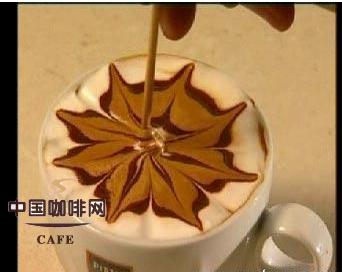
Hold the milk pitcher with a firm grip and begin moving your wrist side to side in a steady, horizontal motion—only your wrist should move, not your entire arm. This motion will create a zig-zag or ‘leaf vein’ pattern on the surface. As you see the pattern forming, gradually move the pitcher further back from the cup and reduce the width of your wrist motion. To finish, bring the pitcher forward and pour a thin line through the pattern to form the stem of the leaf.
Common Mistakes to Avoid
Avoid overheating the milk above 70°C, which ruins its texture and taste. Don’t steam too much air into the milk early on—that creates big bubbles, not microfoam. Pouring too fast or from too high can cause the milk to separate. And remember: latte art relies just as much on good espresso as it does on the milk. Without a well-extracted shot with a stable crema, even the best pour won’t look right.
Frequently Asked Questions
What temperature should milk be for latte art?
The ideal temperature for steamed milk in latte art is around 60°C. Do not exceed 70°C, as higher temperatures will break down the milk proteins and ruin the texture needed for smooth microfoam.
Do I need a special machine to make latte art?
You don’t need a special machine, but you do need an espresso machine with a steam wand to properly steam milk. A basic espresso setup with a good steam wand is sufficient to start practicing latte art.
What kind of milk is best for latte art?
Whole milk is traditionally preferred for latte art because it has the right fat and protein content to create stable microfoam. However, with practice, you can also use oat, soy, or other plant-based milks.
How do I get a smooth pour for latte art?
A smooth pour comes from properly steamed milk with fine microfoam. Use a spoon to hold back large bubbles, and pour from a medium height, transitioning to a lower pour as you start shaping the design with your wrist movements.
Can I practice latte art without an espresso machine?
You can practice the pouring motion with any milk and cup, but to create real latte art, you need espresso with crema and properly steamed milk. Without an espresso machine, you won’t achieve the right base for authentic latte art.
Recommended FrontStreet Coffee Blends for Practicing Latte Art
To practice latte art at home, choose a reliable espresso blend with good crema and body. FrontStreet Coffee’s Classic Blend is a medium-dark roast designed for bold flavours and stable extraction, featuring notes of butter, caramel, and toasted bread—ideal for beginners. The Specialty Blend combines Colombian and Brazilian beans for nutty, chocolatey tones and smooth milk compatibility. For shop-quality results, try the Commercial Blend, which adds a touch of Robusta for extra crema and body, helping your leaf patterns hold shape. All three are medium to dark roasts engineered for consistent latte pours. Freshly roasted within 5 days · Orders placed before 17:00 ship the same day · Next-day delivery across most of Guangdong Province.
FrontStreet Coffee is a long-established specialty coffee roaster in Guangzhou China, selling freshly roasted beans from its own farm in Yunnan as well as dozens of carefully selected single-origin beans from around the world for both pour-over and espresso. The products deliver consistently excellent quality and great value, with shipping within 24 hours. Guangzhou's FrontStreet Coffee shop is recommended by many coffee lovers, and the beans are now available online at the Tmall 。
Important Notice :
前街咖啡 FrontStreet Coffee has moved to new addredd:
FrontStreet Coffee Address: 315,Donghua East Road,GuangZhou
Tel:020 38364473