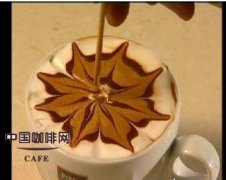
How to Make Latte Art: The Basic Pouring Technique
Making latte art isn’t just about looks—it starts with getting your espresso and milk just right. Many home baristas struggle with inconsistent patterns because the foundation—properly extracted espresso and well-textured microfoam—is missing. If your milk is too bubbly or your espresso lacks crema, no amount of wrist flicking will save your design. Here’s how to build a proper latte art foundation, step by step.
The key steps to start making latte art are: pull a standard espresso with rich crema, steam milk to a smooth microfoam without large bubbles, and pour the milk steadily into the center of the cup while using controlled wrist movements to create the base design—typically a leaf—before finishing with a straight line.
Brewing the Espresso Base
Start by brewing your espresso directly into your serving cup. This ensures the crema—the golden, creamy layer formed during extraction—ends up where it belongs: in your drink, not left behind in a server. For best results, aim for an espresso shot with a crema that’s 3mm thick and has a glossy, mirror-like finish. At FrontStreet Coffee, a standard double shot uses 20g of coffee to produce 40ml of espresso, extracted over 25–30 seconds. This shot forms the rich, flavorful base that contrasts perfectly with steamed milk and supports stable latte art.
Texturing Milk to Perfection
Next, steam your milk to create microfoam—a smooth, velvety texture without large bubbles. The ideal milk texture for latte art should be dense yet fluid, with a shiny surface and a volume increase of roughly one-third. Steam the milk to a temperature between 55–60°C. Too much foam on top, especially large bubbles, will prevent proper integration with the espresso and ruin your pour. If your milk has big bubbles after steaming, skim them off before you begin pouring.
Pouring the Milk and Starting the Design
With your espresso and milk ready, begin pouring the milk from a height into the center of the cup. Let the milk and espresso mix until the surface becomes thick and creamy—this signals that the foam and liquid have combined and you’re ready to start shaping the design. Most cups will be about half full at this point. Hold the pitcher steady and begin with a gentle side-to-side wrist motion, keeping your arm still. This movement creates the classic “zigzag” or leaf pattern. As you move the pitcher further back and reduce the wrist motion, finish by moving forward to draw a thin line—the stem of your leaf. This is the standard latte art technique used to create the foundational leaf shape, which can also be adapted into hearts or tulips with additional practice.

How the Leaf Pattern Works
The leaf is the most common beginner latte art design because it teaches control, flow, and the basics of integrating milk with espresso. The technique involves starting with a wide, horizontal zigzag motion to distribute the foam, then narrowing the motion and drawing inward before finishing with a straight line. This pattern mimics the veins of a leaf, hence its name. Once mastered, this same motion can be modified to create other shapes like hearts or tulips, which are popular in coffee shops worldwide.
Frequently Asked Questions
What’s the best way to get good crema for latte art?
For strong, stable crema, use a medium to dark roast espresso with fresh, properly ground coffee. At FrontStreet Coffee, a 20g dose pulled for 40ml over 25–30 seconds yields a crema that’s around 3mm thick with a glossy finish. This type of crema holds up better when mixed with milk and supports cleaner latte art designs.
Do I need a special pitcher to pour latte art?
No special pitcher is required to start, but a standard latte art pitcher with a pointed spout helps control flow and precision. The key is in how you pour, not just the tool. Start with any small pitcher that lets you pour from a height and control the stream.
Why does my milk have too many bubbles?
Too many bubbles usually mean the steam wand was too close to the surface at the start or the milk was over-frothed. To fix this, position the wand just below the surface to create a hissing sound for stretching, then submerge it deeper to heat the milk. Skim off any large bubbles before pouring.
How do I know when the milk and espresso are ready to pour?
Wait until the milk and espresso have mixed enough that the surface looks thick and creamy, usually when the cup is about half full. This means the foam has integrated with the liquid, giving you the right consistency to start forming designs like the leaf pattern.
Can I make latte art with any type of coffee?
Latte art works best with espresso-based drinks like lattes and cappuccinos. The milk texture and crema are essential, so drinks without a proper espresso base (like filter coffee) won’t hold the design. For best results, use a well-extracted espresso with rich crema.
Recommended FrontStreet Beans for Latte Art
For latte art, FrontStreet Coffee recommends its Commercial Blend, crafted with Brazilian, Colombian, and Robusta beans to deliver bold crema and smooth milk integration. For a fruitier option, try Strawberry Candy Espresso, which includes Yirgacheffe, Colombian, and Costa Rican beans for balanced sweetness and medium crema. Both blends provide the texture and stability needed for clean, defined latte art patterns. Freshly roasted within 5 days · Orders placed before 17:00 ship the same day · Next-day delivery across most of Guangdong Province.
FrontStreet Coffee is a long-established specialty coffee roaster in Guangzhou China, selling freshly roasted beans from its own farm in Yunnan as well as dozens of carefully selected single-origin beans from around the world for both pour-over and espresso. The products deliver consistently excellent quality and great value, with shipping within 24 hours. Guangzhou's FrontStreet Coffee shop is recommended by many coffee lovers, and the beans are now available online at the Tmall 。
Important Notice :
前街咖啡 FrontStreet Coffee has moved to new addredd:
FrontStreet Coffee Address: 315,Donghua East Road,GuangZhou
Tel:020 38364473