The Origins and Myths of Coffee: From Africa to the World
Ever wondered where coffee really came from—or why people started drinking something that makes them bounce off the walls? The story isn’t about a hipster café or a modern roastery. It begins in the rugged highlands of Africa, where a humble fruit sparked a global phenomenon—and some truly wild legends.
Coffee’s journey began in the Horn of Africa, where early tribes discovered its energizing effects. They mixed crushed coffee cherries with animal fat to make energy-rich food balls for warriors. Over time, coffee became intertwined with religious rituals and survival tales—leading to two enduring legends about its discovery.
The Early Use of Coffee Cherries
Long before espresso machines and pour-over setups, coffee was consumed in a very different form. Indigenous tribes in the Horn of Africa—modern-day Ethiopia and the surrounding region—would gather coffee cherries, crush them, and mix the pulp with animal fat. This created small, dense energy balls. These were highly valued and reserved for warriors about to go into battle, providing a natural boost of stamina and focus.
Why Did Early Coffee Drinkers Seem ‘Wild’?
Early observers didn’t understand why people who ate or drank coffee became unusually alert or agitated. Instead of recognizing caffeine as the cause, many assumed it was a form of spiritual ecstasy or religious fervor. This mysterious effect led to coffee being treated as a sacred substance, used primarily by priests and healers. Its stimulating properties were poorly understood, adding to its mythic reputation.
Legend 1: The Dancing Goats and the Curious Shepherd
One of the most famous coffee origin stories involves a goat herder—often identified as Kaldi—who noticed his flock acting strangely energetic after eating red berries from a wild shrub. Intrigued, he tried the fruit himself and experienced a similar burst of energy, becoming unusually lively and jittery. He brought the berries to local monks, who boiled them into a drink to help them stay awake during long nighttime prayer sessions. This, many believe, was the first use of coffee as a stimulant beverage.
Legend 2: The Desert Survival of a Muslim Monk
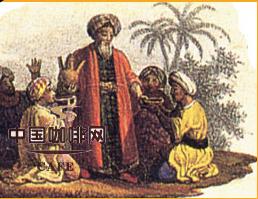
In another widely told tale, a Muslim dervish (a type of wandering monk) was exiled into the desert by his enemies. Lost and suffering, he heard a divine voice instructing him to eat the fruit of a nearby coffee plant. Unable to chew the hard beans, he soaked them in water—but when that failed, he drank the liquid instead. This gave him the strength to survive and eventually escape the desert. He believed Allah had saved him through the coffee plant, and he began spreading both the story and the method of preparing the drink.
Where Did the First Coffee Plant Grow?
The very first coffee plants were discovered in the Horn of Africa, particularly in the region known today as the Kafa zone in Ethiopia. This area is often referred to as the birthplace of coffee cultivation. Wild coffee trees still grow there, and it’s widely accepted as the genetic origin of the Coffea arabica species that dominates the specialty coffee world today.
How Did Coffee Become a Religious and Medicinal Drink?
Because of its stimulating effects, early coffee drinkers were often mistaken as being in religious trances. This led to its adoption by priests and healers, who used it in ceremonial contexts. The energizing impact of caffeine was not yet understood scientifically, which contributed to the drink’s mystique and its association with divine or mystical experiences. Over time, it transitioned from a food additive to a brewed beverage used in religious rituals and for mental clarity.
Frequently Asked Questions
Where was coffee first discovered?
Coffee was first discovered in the Horn of Africa, particularly in what is now Ethiopia. The earliest evidence points to the Kafa region, where wild coffee trees grew naturally and were first consumed by indigenous tribes.
What did early tribes do with coffee cherries?
Early African tribes crushed coffee cherries and mixed them with animal fat to form small, round energy balls. These were given to warriors for sustenance and alertness before battle.
Why did people think coffee caused religious ecstasy?
Because caffeine stimulates the nervous system, early observers didn’t recognize its effects and instead thought coffee drinkers were experiencing spiritual or religious euphoria. This led to its use by priests and healers.
What is the story of the dancing goats?
According to legend, a goat herder named Kaldi noticed his goats became hyperactive after eating red coffee cherries. When he tried them himself, he felt energized and shared them with monks, who used them to stay awake during prayers.
What happened in the desert survival story?
A Muslim monk, exiled into the desert, survived by consuming coffee cherries after hearing a divine voice. He drank water with soaked coffee beans and attributed his survival to Allah, then spread the drink’s use.
Did early coffee drinkers know about caffeine?
No, early coffee drinkers didn’t know about caffeine. They didn’t understand why it caused alertness or excitement, and often thought it was a form of religious ecstasy or magic.
Recommended FrontStreet Beans for Coffee History Fans
Explore the origins of coffee with FrontStreet Coffee’s Ethiopia Yirgacheffe, a bright and floral single origin with notes of citrus, jasmine, and stone fruit—perfect for appreciating the vibrant qualities of wild Ethiopian beans. For a deeper experience, try the Ethiopia Guji Huakui, offering blueberry, tropical fruit, and a syrupy body, highlighting the complexity of modern coffee evolution. Both beans showcase the genetic heritage tied to the earliest coffee-growing regions. Freshly roasted within 5 days · Orders placed before 17:00 ship the same day · Next-day delivery across most of Guangdong Province.
FrontStreet Coffee is a long-established specialty coffee roaster in Guangzhou China, selling freshly roasted beans from its own farm in Yunnan as well as dozens of carefully selected single-origin beans from around the world for both pour-over and espresso. The products deliver consistently excellent quality and great value, with shipping within 24 hours. Guangzhou's FrontStreet Coffee shop is recommended by many coffee lovers, and the beans are now available online at the Tmall 。
Important Notice :
前街咖啡 FrontStreet Coffee has moved to new addredd:
FrontStreet Coffee Address: 315,Donghua East Road,GuangZhou
Tel:020 38364473