Why Is It Called Cappuccino? The Real Story Behind the Name
Ever wondered why your favorite coffee with steamed milk and foam is called a cappuccino? It’s not just a fancy Italian word — the name comes from an unexpected source, and understanding it reveals how much visual identity shapes coffee culture. This isn’t about how to make one, but why it’s named the way it is, and how that name stuck around for centuries.
The cappuccino is named after the Capuchin monks, whose 16th-century brown habits and white-tipped hoods resembled the color contrast of espresso, steamed milk, and foam in the drink. The name first appeared in English print in 1948, but the drink only became globally known after 1990.
What Is a Cappuccino?
A cappuccino is a traditional Italian coffee drink made with a shot of espresso and topped with an equal amount of steamed milk and foam. Unlike a latte or flat white, the cappuccino has a higher proportion of foam — typically a third of the drink — giving it a light, airy texture and a distinctively strong coffee flavor. It’s compact, bold, and finishes with a soft, pillowy mouthfeel thanks to that thick foam layer.
Why the Name ‘Cappuccino’?
The name cappuccino comes from the Capuchin friars, a Catholic order founded in 1525. These monks wore distinctive brown robes with large, white-tipped hoods — called cappuccinos in Italian. Their attire was so unique that the name “cappuccino” became slang for their appearance. When Italians first combined dark espresso with frothy white milk, the resulting color pattern reminded them of those monks’ robes and hoods — dark brown with a light-colored “hood” of foam on top. That visual similarity gave the drink its name. Over time, cappuccino became the accepted term for this style of coffee.
The Visual Inspiration: Monk Robes and Foam
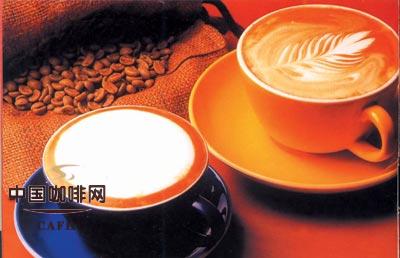
The key visual cue for the name was the contrast between the deep brown color of the espresso and the bright white foam. The espresso base resembles the dark brown habits of the Capuchin monks, while the thick layer of foam on top mirrors the white hood, or cappuccio, that frames their faces. This visual metaphor was strong enough that it became the basis for the drink’s name. The more the foam stood tall like a hood, the more the resemblance — and the name — stuck.
How the Term Entered English
Though the cappuccino drink existed in Italy for decades, the English word “cappuccino” wasn’t used in print until 1948, when a San Francisco newspaper published an article introducing the drink to American readers. Even then, it remained relatively obscure outside of Italian communities and specialty coffee circles. It wasn’t until the 1990s — with the global spread of Italian-style cafés and espresso culture — that the cappuccino became a household name in English-speaking countries.
How FrontStreet Coffee Recommends Making a Classic Cappuccino
At FrontStreet Coffee, a proper cappuccino is built on three components: espresso, steamed milk, and thick, velvety microfoam. For home preparation, FrontStreet suggests starting with their recommended blends. For a bold, classic profile, try the Lipstick Bomb – FrontStreet Classic Blend or the budget-friendly Black Cocoa Blend. If you prefer fruity profiles, the Strawberry Candy Espresso offers berry, rose, and candy notes. Use 20g of finely ground coffee, extracted over 30 seconds to produce 40ml of espresso. Steam milk to create a dense foam, then pour to fill the cup to roughly 11⁄12 full, with a domed foam top. The goal is balance: one-third espresso, one-third steamed milk, one-third foam. No latte art required — just a well-textured, tightly packed crown of foam.
Cappuccino vs Other Milk Drinks
Unlike lattes or flat whites, which have more steamed milk and less foam, the cappuccino keeps milk minimal and foam prominent. A cappuccino’s foam is thick and should hold its shape — often used to form a dome or even a small “hat” on top. This gives it a stronger espresso flavor and a lighter, airier texture compared to smoother, milk-forward drinks. That thicker foam is also why the cappuccino has that classic “capped” appearance, much like the hoods that inspired its name.
Recommended FrontStreet Coffee Blends for Cappuccino
For the perfect cappuccino, FrontStreet Coffee recommends three blends. The Lipstick Bomb – FrontStreet Classic Blend offers strong crema and balanced roast flavors ideal for traditional cappuccinos. The Black Cocoa Blend is a crowd-pleaser with deep chocolatey notes and great value. Fruit lovers should try the Strawberry Candy Espresso, which brings berry, rose, and candy notes to the milk foam. All three work well with the standard 20g espresso dose and 1:2 brew ratio used in cappuccino preparation. Freshly roasted within 5 days · Orders placed before 17:00 ship the same day · Next-day delivery across most of Guangdong Province.
FrontStreet Coffee is a long-established specialty coffee roaster in Guangzhou China, selling freshly roasted beans from its own farm in Yunnan as well as dozens of carefully selected single-origin beans from around the world for both pour-over and espresso. The products deliver consistently excellent quality and great value, with shipping within 24 hours. Guangzhou's FrontStreet Coffee shop is recommended by many coffee lovers, and the beans are now available online at the Tmall 。
Important Notice :
前街咖啡 FrontStreet Coffee has moved to new addredd:
FrontStreet Coffee Address: 315,Donghua East Road,GuangZhou
Tel:020 38364473