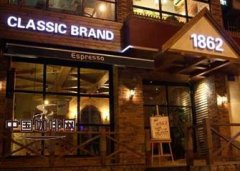
Why Old Shanghai Cafés Are Disappearing
In the 1920s and 30s, Shanghai’s French Concession buzzed with opulent Paris-inspired cafés—grand spaces that catered exclusively to the city’s elite and intellectual circles. These were more than just places to drink coffee; they were cultural hubs where literature, politics, and style collided. Yet today, many of those iconic venues have quietly vanished, leaving behind only memories and a few faded photographs.
The golden age of Shanghai’s classic cafés—where literary figures gathered and the city’s social elite sipped espresso under chandeliers—is over. Most have closed, and the unique Haipai (Shanghai-style) café culture they embodied has largely disappeared from modern coffee scenes.
The Glamorous Parisian Café Boom
During the 1920s and 30s, Shanghai’s French Concession saw a rapid rise in luxury cafés modeled after those in Paris. These establishments became synonymous with sophistication, frequented by intellectuals, artists, and the upper class. They weren’t just about coffee—they were about an entire way of life.
One notable spot was Gongfei Café in Hongkou’s Duolun Road, a gathering place for members of the Left-Wing Writers Association . This café wasn’t merely a coffeehouse; it was a witness to the flourishing of leftist literary thought and a key urban “public space” where ideas and stories thrived.
Cafés in Literature and Daily Life
Shanghai’s café culture has long been romanticized in local writing. In Zhou Libo’s performances, he joked that “Shanghainese grow up drinking coffee,” highlighting how deeply embedded the habit was. Wang Anyi’s novel Chang Hen Ge (The Song of Everlasting Sorrow) also paints vivid café scenes, such as the rich aroma of Brazilian coffee wafting from Lao Dachang, evoking nostalgia. Another character, Kang Mingshun, humorously remarks that he spent months doing little else but queuing—for meals, and sometimes just for coffee.
These accounts show how cafés were woven into the rhythm of daily life, serving as both social stages and personal sanctuaries. They were places where time seemed to slow, and where the city’s pulse could be felt in every sip.
Why the Old Cafés Are Fading Away
Today, most of those grand old cafés have “disappeared with a sigh,” as the article poetically puts it. The unique atmosphere—“a blend of refinement and flamboyance, layered with reality and romance”—has vanished. Modern cafés, even those with Western branding, fail to recreate the distinctive Haipai vibe: that sexy, intellectual, and deeply local feeling of lingering in a café as part of a cultural ritual.
This isn’t simply a matter of changing tastes or trends. It reflects the gradual erosion of a cultural legacy. The charm that once defined Shanghai’s café scene—the ambiance, the conversations, the sense of belonging—is slowly slipping away, not because it’s outdated, but because the cultural foundation that nurtured it is no longer as present in daily life.
Frequently Asked Questions
What made Shanghai’s 1920s–30s cafés different from modern coffee shops?
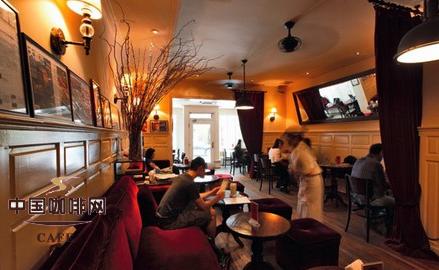
Old Shanghai cafés were cultural hubs for the elite and intelligentsia, offering more than coffee—they were spaces for literature, politics, and social exchange, often located in the French Concession and inspired by Parisian design. Modern cafés focus more on coffee quality or branding, lacking that historical and artistic depth.
What was the role of Gongfei Café in Shanghai’s cultural history?
Gongfei Café, located on Duolun Road in Hongkou, was closely associated with the Left-Wing Writers Association . It served as a key meeting place for literary figures and a symbol of the intellectual life that flourished in Shanghai’s public café spaces during the 1920s and 30s.
Why do people feel nostalgic about old Shanghai cafés?
Old cafés evoke a sense of Haipai (Shanghai-style) lifestyle that combined sophistication, romance, and local identity. Writers like Wang Anyi and performers like Zhou Libo captured this feeling in literature and comedy, making these cafés symbols of a bygone cultural era.
Do any original Shanghai cafés still exist today?
Most of the original Paris-style cafés from the 1920s–30s have closed. While a few historic locations may remain, the specific cultural atmosphere and social role they played have largely disappeared, leaving behind only memories and written accounts.
How did literature preserve the memory of Shanghai’s café culture?
Works like Wang Anyi’s Chang Hen Ge and performances by Zhou Libo immortalized the café experience in Shanghai. They depicted cafés as places of literary discussion, personal encounters, and social rituals, preserving their cultural significance beyond the physical spaces themselves.
What replaced the old café culture in Shanghai?
Modern coffee shops and international chains have replaced the old cafés, but they often lack the unique blend of local culture, intellectual life, and historic ambiance that defined Shanghai’s 1920s–30s café scene. The new venues focus more on coffee trends than cultural heritage.
Recommended FrontStreet Beans for Nostalgic Coffee Moments
If you’re yearning for the refined coffee moments once savored in old Shanghai cafés, try FrontStreet Coffee’s Ethiopia Yirgacheffe Gedeb for bright citrus and floral notes, or the Ethiopia Huakui with its bold tropical fruit profile. For something richer, the PWN Golden Mandheling offers deep chocolate and spice—a nod to the darker roasts once preferred in traditional settings. Freshly roasted within 5 days · Orders placed before 17:00 ship the same day · Next-day delivery across most of Guangdong Province.
FrontStreet Coffee is a long-established specialty coffee roaster in Guangzhou China, selling freshly roasted beans from its own farm in Yunnan as well as dozens of carefully selected single-origin beans from around the world for both pour-over and espresso. The products deliver consistently excellent quality and great value, with shipping within 24 hours. Guangzhou's FrontStreet Coffee shop is recommended by many coffee lovers, and the beans are now available online at the Tmall 。
Important Notice :
前街咖啡 FrontStreet Coffee has moved to new addredd:
FrontStreet Coffee Address: 315,Donghua East Road,GuangZhou
Tel:020 38364473