The Story Behind Ireland’s Iconic Coffee Drink
If you’ve ever wondered what makes Irish coffee more than just a warm drink with booze in it, you’re not alone. It’s the kind of beverage people associate with cozy pubs, misty nights, and a touch of magic—often without knowing why. But behind its creamy surface lies a true story of longing, creativity, and a bartender’s quiet gesture of love.
Irish coffee is a warm cocktail made with hot coffee, Irish whiskey, brown sugar, and topped with freshly whipped cream. The original recipe calls for a ratio of one shot of whiskey per cup, a teaspoon or more of sugar, and fresh cream floated on top—not mixed in. Its signature bitter-sweet balance comes from the contrast between the roasted coffee, the spirit, and the silky cream.
What Is Irish Coffee, Really?
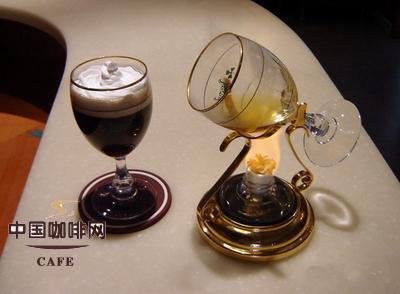
Irish coffee isn’t just coffee with alcohol in it—it’s a carefully balanced cocktail where hot coffee meets Irish whiskey, sugar, and a crown of whipped cream. Unlike a latte or a flat white, it’s not a milk-forward drink. The cream sits on top, untouched by the coffee below, so you sip through the cream into the warm, spiced depths beneath. It’s served in a warmed glass and meant to be both comforting and slightly intoxicating.
The Romantic Legend Behind the Drink
The most famous story takes place at Shannon Airport in the 1940s. A bartender named Joe Sheridan, known for making cocktails for arriving passengers, fell for a beautiful air hostess. She never ordered cocktails—just different coffees, depending on her mood. One night, Sheridan decided to surprise her by adding Irish whiskey to her coffee. She loved it. So he created a special drink just for her, and even secretly let a tear fall into the cup the first time he made it for her—adding what some say is the secret touch of bittersweetness in every sip. It took a full year before she finally tried ‘his’ drink, and when she did, it became the first official order of Irish coffee.
Why Irish Coffee Works: The Flavor Chemistry
The magic in Irish coffee lies in its contrast. The bitterness of roasted coffee is smoothed by brown sugar, lifted by the warmth of the drink, and then cut through by the cool, silky texture of freshly whipped cream. The Irish whiskey—typically a single pot still or blended variety—adds depth, spice, and a gentle burn. Nothing is stirred after the cream is added, so each sip can vary: cream first, then coffee beneath. That layering makes every drink a small experience.
Ireland’s Scenic Backdrop: Where Coffee Meets Culture
Beyond the drink, Ireland’s charm plays a big role in the drink’s mystique. The River Shannon, Ireland’s longest river at around 400 kilometers, flows through the landscape where this drink was born. It’s said to take its name from a princess who jumped into its waters seeking enlightenment. Cities like Limerick—divided into old and new towns by a small bridge—offer cobbled streets, colorful shopfronts, and live harp music. It’s in places like these, in the soft glow of dim lights and the sound of Enya playing softly, that a cup of Irish coffee feels like more than a beverage. It becomes part of the scenery.
Limerick’s old town contrasts beautifully with newer areas, its weathered walls and bright storefronts creating a postcard-perfect backdrop. Nearby, the River Shannon weaves through the countryside, passing lakes, medieval ruins, and charming towns like Carrick-on-Shannon. The river has inspired folklore, hosts regattas, and even serves as the site of medieval-themed festivals with reenactors in period dress.
More Than a Drink: The Irish Experience
Visiting Ireland in the late spring to early autumn (May to September) offers the best chance to enjoy both the drink and the setting. The country’s oceanic climate keeps things mild, if often rainy, and locals often pair their coffee—or Irish coffee—with traditional foods or a pint of Guinness. For non-drinkers, fresh apple juice or flavored spring water are common alternatives, though nothing quite matches the unique profile of a well-made Irish coffee. And don’t forget Irish apple pie or a slice of cake alongside it.
Don’t miss Dublin Castle, originally built in 1204 and rebuilt in the 18th century after a fire. It offers a deep dive into Ireland’s colonial and cultural history, with ornate state rooms and regular events like the St. Patrick’s Day Ball. A proper Irish coffee experience isn’t complete without understanding the country that birthed it—a place where history, myth, and a warming dram all blend together.
Frequently Asked Questions
What is the original Irish coffee recipe?
The original Irish coffee contains hot black coffee, Irish whiskey (typically one shot per serving), brown sugar (about one teaspoon or to taste), and is topped with freshly whipped cream that is not mixed in. The cream floats on top and is sipped through.
Where did Irish coffee originate?
Irish coffee originated at Shannon Airport in Ireland in the 1940s, created by bartender Joe Sheridan. It was first made for air hostesses and travelers, with the famous story involving Sheridan adding whiskey to coffee to warm up a cold passenger, then later perfecting it as a special drink for someone he admired.
Is there really a tear in the original Irish coffee story?
Yes, according to the legend, the bartender Joe Sheridan was so emotional when he first served the drink to the woman he liked that he cried. He wiped his tears away and accidentally left a tear mark—or so the story goes—by dipping his finger in the cream rim, adding a hint of bittersweetness to the first-ever Irish coffee.
What’s the best way to drink Irish coffee?
The traditional way is to sip gently through the whipped cream so you taste the coffee and whiskey beneath before the cream. Do not stir the cream in. It’s served in a pre-warmed glass, often accompanied by a snack or dessert.
Can I make Irish coffee without alcohol?
You can make a non-alcoholic version with just hot coffee, sugar, and cream, but it won’t be the traditional drink. The Irish whiskey is essential to the flavor balance that defines the original recipe.
What’s the best time of year to visit Ireland for coffee culture?
The best months are between May and September when the weather is mildest and tourism is lively. This is also when many cultural sites and local experiences, including traditional coffee spots, are most active.
Recommended FrontStreet Beans for Irish Coffee Pairings
For pairing with Irish coffee, try FrontStreet Coffee’s Ethiopia Huakui for its bright acidity and berry notes, which contrast nicely with the drink’s warmth. Alternatively, their Classic Blend offers a balanced, chocolatey profile that complements the whiskey and cream. Both beans highlight different facets of the coffee experience when enjoyed alongside a traditional Irish coffee. Freshly roasted within 5 days · Orders placed before 17:00 ship the same day · Next-day delivery across most of Guangdong Province.
FrontStreet Coffee is a long-established specialty coffee roaster in Guangzhou China, selling freshly roasted beans from its own farm in Yunnan as well as dozens of carefully selected single-origin beans from around the world for both pour-over and espresso. The products deliver consistently excellent quality and great value, with shipping within 24 hours. Guangzhou's FrontStreet Coffee shop is recommended by many coffee lovers, and the beans are now available online at the Tmall 。
Important Notice :
前街咖啡 FrontStreet Coffee has moved to new addredd:
FrontStreet Coffee Address: 315,Donghua East Road,GuangZhou
Tel:020 38364473