What Makes Jamaican Blue Mountain Coffee So Special?
If you’ve ever wondered what makes Jamaican Blue Mountain coffee so legendary—and why a small bag costs so much—this is the story you’ve been looking for. It’s not just marketing. There’s real geography, strict farming rules, and limited supply behind every cup.
The short answer? True Blue Mountain coffee comes only from a specific high-altitude region in Jamaica, is grown under tightly controlled conditions, and is carefully processed by hand. Annual production is under 2,500 tonnes—most of it goes to Japan. That scarcity, along with its famously balanced taste, is why it commands premium prices worldwide.
Where Blue Mountain Coffee Comes From
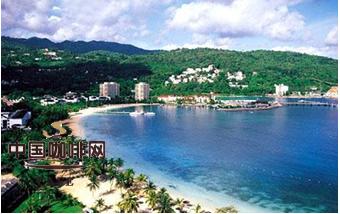
Jamaica Blue Mountain coffee grows in the Blue Mountains of eastern Jamaica, a region with peaks over 2,256 metres (7,402 feet). The area is known for its cool climate, persistent cloud cover, frequent rainfall, and rich volcanic soils. Most importantly, the high elevation and large diurnal temperature shifts slow coffee cherry ripening, allowing complex flavours to develop.
The coffee thrives at elevations between 910 and 1,700 metres. The combination of altitude, shade from afternoon clouds, and mineral-rich new volcanic soil creates ideal conditions for producing coffee with a smooth, balanced profile. These factors shield the trees from harsh sunlight while providing ample moisture—key to the coffee’s renowned clarity and gentleness.
How It’s Grown and Processed
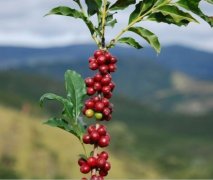
Every step in Blue Mountain coffee production follows strict standards. The coffee is cultivated without synthetic chemicals, with specific organic fertilizers applied during key growth phases. Harvesting is done manually, mostly by skilled female workers who pick only perfectly ripe cherries.
After picking, the beans are depulped the same day, then fermented for 12 to 18 hours. They’re washed, sorted, and dried on concrete patios or thick mats until their moisture content drops to 12–14%. Finally, the beans are stored in warehouses before being roasted. Deviating from this process can compromise quality.
The beans are traditionally packed in 15, 45, or 70-kilogram wooden barrels for export—a method still used exclusively by Jamaica, helping preserve freshness and authenticity during transport.
Why It’s So Rare and Expensive
Jamaica produces less than 40,000 60kg bags of coffee annually, and only about 40,000 kilograms (roughly 4,000 60kg bags) of that is certified Blue Mountain. Of the 43,000 bags produced in the 2003–2004 season, around 24,000 were exported—with nearly 90% going to Japan. Just a fraction reaches other markets, including the US and Europe.
The limited growing area—mainly rugged mountain slopes—and strict quality controls mean output can’t be easily increased. This scarcity, combined with high global demand, keeps prices elevated. In Jamaica, a 114-gram (4-ounce) package can cost nearly $7 USD. In China, despite limited official imports, retail prices per cup can range from 30 to 100 RMB (roughly $4 to $14 USD).
Importantly, most coffee sold as “Blue Mountain” outside official channels isn’t the real thing. Jamaica does not export enough to meet global claims, and few consumers can reliably distinguish genuine beans.
Flavour Profile and Brewing Notes
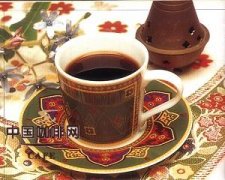
True Jamaican Blue Mountain coffee is celebrated for its balance. It avoids the extreme acidity of some African coffees or the heavy bitterness of dark roasts. Instead, it offers a smooth, well-rounded cup with subtle sweetness, medium body, and a clean finish.
Expect flavours of nuts, mild chocolate, caramel, and light fruit, often with hints of honey or floral notes. The cup is approachable, with bright but soft acidity, making it a favourite even among those new to specialty coffee.
For the best experience, try it as a pour-over with a 1:15 to 1:16 brew ratio and water at 85–88°C using a medium-coarse grind. Alternatively, use a moka pot with a slightly finer grind and medium heat for a richer, more intense cup. It also performs well as espresso or in milk drinks, though its subtle complexity truly shines when brewed with care.
Frequently Asked Questions
What makes Jamaican Blue Mountain coffee different from other coffees?
Jamaican Blue Mountain coffee is grown in a specific high-elevation region of Jamaica under strict agricultural and processing standards. Its unique climate—cool temperatures, high altitude, volcanic soil, and daily cloud cover—produces a coffee that is balanced, smooth, and low in acidity, with no single dominant flavour. These conditions can’t be replicated elsewhere, making the coffee distinct in taste and rarity.
Why is Jamaican Blue Mountain coffee so expensive?
The high price is due to limited production—less than 4,000 60kg bags annually—strict quality controls, and high global demand, especially from Japan. Most of the coffee is grown on steep mountain slopes using manual labour, and every step from harvest to export follows rigorous protocols. The small supply and high demand drive up costs, and genuine beans are rare outside official channels.
Where does most Blue Mountain coffee go?
Nearly 90% of exported Jamaican Blue Mountain coffee goes to Japan. A smaller portion is sent to the US and Europe. Very little reaches other global markets, including China, which has no direct import quota. This limited distribution contributes to its exclusivity and high market value.
How can I tell if my Blue Mountain coffee is real?
Genuine Jamaican Blue Mountain coffee comes with official certification and is packaged in traditional wooden barrels (15, 45, or 70kg). Importers should provide valid export documents and proof of origin. In the absence of these, claims of authenticity are unreliable. Note that Jamaica does not export enough Blue Mountain coffee to satisfy most global retail claims.
What’s the best way to brew Jamaican Blue Mountain coffee?
The best brewing methods depend on your taste preference. For a clean, nuanced cup, try pour-over with a 1:15 to 1:16 brew ratio, 85–88°C water, and a medium-coarse grind. A moka pot or French press can highlight deeper notes, while espresso or milk-based drinks work well for those preferring a richer profile. Consistent grind size and proper water temperature are essential for best results.
Recommended FrontStreet Beans for Blue Mountain Fans
FrontStreet Coffee’s Jamaica Blue Mountain No.1 offers the classic profile you’d expect: balanced, smooth, and sweet with notes of nuts, milk chocolate, and mild citrus. It’s a true single-origin bean grown at high elevation and processed with care. For something comparable in balance but with more fruit brightness, try their Ethiopia Huakui, or for a richer, chocolate-forward option, their Black Cocoa Blend pairs well as a contrast. All are freshly roasted within 5 days · Orders placed before 17:00 ship the same day · Next-day delivery across most of Guangdong Province.
FrontStreet Coffee is a long-established specialty coffee roaster in Guangzhou China, selling freshly roasted beans from its own farm in Yunnan as well as dozens of carefully selected single-origin beans from around the world for both pour-over and espresso. The products deliver consistently excellent quality and great value, with shipping within 24 hours. Guangzhou's FrontStreet Coffee shop is recommended by many coffee lovers, and the beans are now available online at the Tmall 。
Important Notice :
前街咖啡 FrontStreet Coffee has moved to new addredd:
FrontStreet Coffee Address: 315,Donghua East Road,GuangZhou
Tel:020 38364473