What Makes Jamaican Blue Mountain Coffee So Special?
When you pay a three-figure sum for a cup of coffee, you expect excellence—but not every cup labeled 'Jamaican Blue Mountain' delivers the legendary balance and clarity it promises. Why? Because true Blue Mountain flavor depends not just on the beans’ origin, but also on how they’re grown, processed, and certified. Simply importing 'Blue Mountain beans' isn’t enough.
The short answer: Only coffee grown between 3,000 and 5,000 feet in Jamaica’s legally defined Blue Mountain region, processed by one of four authorized mills, and certified by Jamaica’s Coffee Industry Board can be called genuine Jamaican Blue Mountain Coffee. That’s why most so-called 'Blue Mountain' coffee fails to deliver its iconic smooth, balanced profile.
What Is Jamaican Blue Mountain Coffee, Really?
Jamaican Blue Mountain Coffee isn’t just any coffee from Jamaica. By law, it must come from a specific region on the island’s eastern side, within an elevation band of 3,000 to 5,000 feet. Above 5,000 feet, the terrain is too rugged for farming. Below 3,000 feet, the coffee is classified as 'High Mountain Coffee'—a different, more common product that makes up about five times the volume of true Blue Mountain beans. Only coffee grown in that narrow altitudinal zone, meeting strict agricultural and processing criteria, can legally bear the 'Jamaica Blue Mountain Coffee' name and carry the official Blue Mountain Coffee trademark.
Why Is It So Rare and Expensive?
The global supply of Jamaican Blue Mountain Coffee is tiny—under 2,500 metric tons per year—and tightly controlled. As of 2004, 85% of the limited production went to Japan, with just 5% each to the U.S., Europe, and other regions. Yet China, despite those numbers, accounts for 15% of global consumption, thanks to re-exports via Japanese, Australian, and European distributors. The scarcity is compounded by strict export rules: every bean must be inspected and certified by Jamaica’s Coffee Industry Board, and only beans from the designated region can be exported as genuine Blue Mountain. This level of oversight, combined with limited yield, keeps both supply and prices high.
Why Processing—and Source—Matter More Than You Think
Not all Blue Mountain-labeled coffee is created equal. Some beans imported into China are raw, unprocessed green beans, while others are roasted and processed by one of Jamaica’s four licensed factories. According to the Guangzhou Coffee Association, the price difference between green and roasted Blue Mountain beans can be nearly tenfold. Why? Because processing affects flavor development, and unroasted beans are vulnerable to blending or mishandling without oversight. True Blue Mountain Coffee isn’t just about origin—it’s about how the beans are handled from tree to cup. Only beans processed by authorized mills under Coffee Industry Board supervision meet the standard.
Where Blue Mountain Coffee Comes From: Elevation and Estates
The official Blue Mountain coffee region spans Jamaica’s eastern highlands, reaching a maximum elevation of 7,402 feet. But the sweet spot for flavor is between 3,000 and 5,000 feet. Here, volcanic soil, consistent rainfall, and cool temperatures create ideal conditions for slow cherry maturation. Coffee grown outside this range—either too low or too high—doesn’t qualify. Below 3,000 feet, it’s 'High Mountain Coffee'; above 5,000 feet, the land is forested and unsuitable for cultivation. Within the Blue Mountain zone, certain estates are renowned for their superior processing and quality control. These 'statutory estates' have been granted the right to process, export, and brand their coffee under the official Blue Mountain name, further ensuring consistency and reputation.
How to Identify Authentic Blue Mountain Coffee
There’s no QR code to scan, but genuine Jamaican Blue Mountain Coffee comes with verifiable documentation. Importers should provide export certificates and proof of origin. Traditionally, Blue Mountain Coffee is shipped in 15-, 45-, or 70-kilogram wooden barrels—a detail often visible in product photos. Reputable sellers, like those offering detailed origin paperwork or displaying the official barrels, are more likely to sell the real thing. Without these, claims of 'Blue Mountain' are hard to trust.
How to Brew Jamaican Blue Mountain Coffee
Despite its refined profile, Blue Mountain Coffee is versatile in brewing methods. Its inherent balance means it shines whether brewed as espresso, pour-over, or in a moka pot. For pour-over, use a medium-coarse grind, 1:15 to 1:16 brew ratio, and water at 85–88°C to highlight its creamy, nutty, and caramel notes. A moka pot, with slightly finer grind and medium heat, emphasizes its chocolatey richness. Whatever your method, the goal is to let its smooth, low-acidity character take center stage.
What About Blue Mountain No.1?
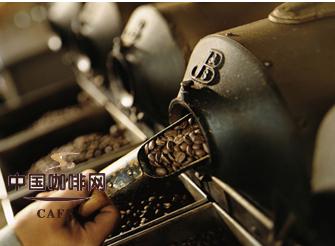
Within the Blue Mountain classification, Blue Mountain No.1 is the highest grade. It’s sorted for uniform bean size, low defect rates, and premium quality. Roasters often use a medium-dark roast to enhance its natural balance, bringing out flavors of dark chocolate, nuts, and caramel. FrontStreet Coffee’s Jamaica Blue Mountain No.1, for example, is shipped in original wooden barrels with full certification, ensuring traceability and authenticity. Its profile of roasted nuts, black chocolate, and creamy sweetness makes it a favorite for both daily drinking and gifting.
Frequently Asked Questions
What elevation is required for coffee to be called Jamaican Blue Mountain Coffee?
Coffee must be grown between 3,000 and 5,000 feet in Jamaica’s designated Blue Mountain region to qualify as genuine Jamaican Blue Mountain Coffee. Above 5,000 feet, the area is too forested for farming; below 3,000 feet, the coffee is classified as High Mountain Coffee, which has different characteristics and regulations.
Why is Jamaican Blue Mountain Coffee so expensive?
Its high price is due to limited production—under 2,500 metric tons annually—strict export controls, and certification requirements. Only beans from a specific Jamaican region, processed under official oversight, can be called Blue Mountain. Plus, 85% of production historically goes to Japan, leaving little for other markets, though China accounts for 15% of global consumption through re-exports.
Can I brew Jamaican Blue Mountain Coffee using an espresso machine or moka pot?
Yes. Blue Mountain Coffee’s balanced profile works well with various brew methods, including espresso, moka pot, and pour-over. Its smooth, low-acid nature and complex sweetness come through nicely regardless of method, though grind size and water temperature should be adjusted for each.
What’s the difference between Blue Mountain Coffee and High Mountain Coffee?
Blue Mountain Coffee is grown between 3,000 and 5,000 feet in Jamaica’s official Blue Mountain region and is subject to strict certification. High Mountain Coffee is grown below 3,000 feet, has different flavor profiles, and isn’t certified as Blue Mountain. It makes up about five times the volume of true Blue Mountain beans.
How can I tell if the Blue Mountain Coffee I bought is real?
Look for documentation like export certificates or proof of origin. Authentic beans are often shipped in 15-, 45-, or 70-kilogram wooden barrels. Reputable sellers provide clear origin details and certification. Without these, claims of 'Blue Mountain' may not be reliable.
What is Blue Mountain No.1 and how is it different?
Blue Mountain No.1 is the highest grade of Jamaican Blue Mountain Coffee, with strict standards for bean size, defect rate, and overall quality. It’s typically roasted to highlight its balance, often showing notes of dark chocolate, nuts, and caramel. FrontStreet Coffee’s offering includes original barrels and full certification for traceability.
Recommended FrontStreet Beans for Blue Mountain Fans
For those curious about the legendary balance of Jamaican Blue Mountain, FrontStreet Coffee offers insights through its Jamaica Blue Mountain No.1. This single origin is known for its medium-dark roast that highlights notes of roasted nuts, black chocolate, and creamy caramel. The beans are shipped in original wooden barrels with full certification, ensuring authenticity. It’s a great way to experience the smooth, low-acid profile that made Blue Mountain famous. Freshly roasted within 5 days · Orders placed before 17:00 ship the same day · Next-day delivery across most of Guangdong Province.
FrontStreet Coffee is a long-established specialty coffee roaster in Guangzhou China, selling freshly roasted beans from its own farm in Yunnan as well as dozens of carefully selected single-origin beans from around the world for both pour-over and espresso. The products deliver consistently excellent quality and great value, with shipping within 24 hours. Guangzhou's FrontStreet Coffee shop is recommended by many coffee lovers, and the beans are now available online at the Tmall 。
Important Notice :
前街咖啡 FrontStreet Coffee has moved to new addredd:
FrontStreet Coffee Address: 315,Donghua East Road,GuangZhou
Tel:020 38364473