Tea vs Coffee: Cultural Roots of China and the West
Ever wondered why your morning coffee feels like fuel while your friend’s tea ritual feels like meditation? The difference isn’t just taste — it’s rooted in centuries of culture, philosophy, and daily life. Both beverages dominate their regions, but how they’re consumed, valued, and prepared reveals contrasting worldviews.
Chinese tea culture spans over 3,000 years and emphasizes harmony and balance, while Western coffee culture, emerging around 1,000 years ago, prioritizes precision, efficiency, and individualism. These differences shape everything from brewing methods to social customs.
A Brief History: Tea vs Coffee Origins
Tea’s history in China dates back to the Shennong era, with recorded use as a tribute by 1066 BCE and widespread consumption by the Han Dynasty. By the Tang Dynasty (618–907 CE), tea houses and the first tea book, The Classic of Tea by Lu Yu, established tea as a cultural cornerstone. It reached its peak during the Song and Ming dynasties, evolving into an art form with activities like tea competitions and performances in tea houses.
In contrast, coffee’s recorded history began around 1000 CE with boiled coffee cherries in Arabia. Cultivation started in Yemen by the 15th century, and it entered Europe via Venice in 1615. The first European coffeehouse opened in Venice in 1683, followed by the famous Caffè Florian in 1720. Coffee reached the Americas by 1668 and Taiwan by 1884. Clearly, tea’s cultural roots run much deeper in Asia than coffee’s in the West.
Philosophy in Every Cup: How Values Shape Rituals
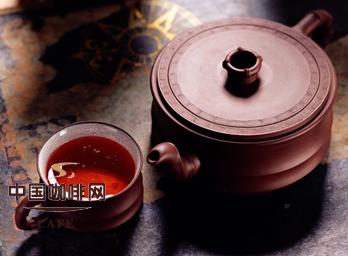
Chinese tea culture reflects Confucian and Daoist ideals. Tea’s bitter-sweet taste and calming effects align with the Confucian principle of “zhongyong” (moderation), promoting clarity, humility, and social harmony. The entire tea process — from picking to brewing — embodies “he” (harmony), balancing elements to achieve the perfect cup. Drinking tea is seen as a way to cultivate virtue, foster relationships, and connect with nature.
Western coffee culture, shaped by Greek and Roman thought, leans on rationalism and individualism. Coffee preparation follows strict rules: 95°C water (too hot ruins flavor, too cool under-extracts), 8–12g coffee per 120ml water for optimal strength, and precise grind sizes. This structured approach mirrors Western values of logic, control, and efficiency. Every variable is measured to achieve consistency — a hallmark of rationalist thought.
Worldview in the Brew: Harmony vs Separation
Taoist principles see tea as a path to unity with nature. Tea grows wild, embodying purity and simplicity. For scholars, tea symbolized a return to nature and spiritual clarity — as in Su Dongpo’s poem where he seeks enlightenment through tea. The tea ritual encourages mindfulness, reflection, and a connection to the natural world.
Western coffee culture, however, often separates humans from nature. Rooted in individualism and competition, it values mastery over nature. The Dutch, for example, smuggled coffee plants from Arabia and recreated tropical conditions in greenhouses to grow coffee artificially. This reflects a mindset of control and exploitation rather than harmony.
Spiritual Connections: Tea in Zen, Coffee in Christianity
In Buddhism, tea supports meditation. Monks drank tea to stay awake during long hours of zazen (seated meditation) and valued its clean, minimalist flavor as aligned with their ascetic lifestyle. Temples cultivated tea, used it in ceremonies, and even developed unique temple teas like Mengding, said to be planted by a monk in Sichuan. Tea became a spiritual tool for focus and community bonding.
Coffee, meanwhile, entered Christian tradition as a stimulant. Legend says Ethiopian shepherd Kaldi discovered coffee after noticing his goats’ hyperactivity from red berries. Monks adopted the berries to stay alert during prayers. Though coffee later spread globally, its early role in Christian monastic life mirrored its function as a tool for vigilance and devotion — much like tea in Zen practice, but with a focus on active engagement rather than detachment.
Frequently Asked Questions
How old is tea culture compared to coffee culture?
Tea culture in China dates back over 3,000 years, with recorded use as early as 1066 BCE. Coffee’s documented history begins around 1000 CE, making tea roughly 2,000 years older as a cultural practice.
What are the core cultural values behind tea drinking in China?
Chinese tea culture emphasizes harmony (he), moderation (zhongyong), balance, and self-cultivation. It reflects Confucian and Daoist ideals, promoting social connection, inner peace, and a connection to nature.
Why is precision so important in Western coffee brewing?
Western coffee culture values rationalism and control. Key variables like water temperature (ideally 95°C), coffee-to-water ratio (8–12g per 120ml), and grind size are precisely managed to ensure consistent flavor extraction, reflecting a logical, measured approach.
How did tea influence Chinese scholars and art?
Tea inspired poetry, meditation, and philosophical reflection among Chinese scholars. It was tied to the Daoist ideal of returning to nature and was often consumed in serene settings to enhance creativity and spiritual clarity.
What role did religion play in the spread of coffee?
Coffee was initially adopted by Christian monks in Ethiopia to stay awake during prayers. Its stimulating effects made it popular in monastic routines, later spreading as a secular beverage but retaining its association with alertness and discipline.
How do tea and coffee rituals differ socially?
Tea rituals in China focus on harmony, respect, and shared tranquility, often involving slow, mindful preparation. Coffee in the West is often faster, more individualistic, and tied to productivity or socializing in structured settings like cafés.
Recommended FrontStreet Beans for Cultural Coffee Exploration
Try FrontStreet Coffee’s Ethiopia Humbera for a bright, tea-like cup with floral and citrus notes — ideal for exploring coffee’s meditative side. For a bold, structured brew reflecting Western precision, their PWN Golden Mandheling offers earthy, spicy depth with a heavy body. Or explore Jamaica Blue Mountain No.1 for a balanced, refined profile that bridges tradition and craftsmanship. Freshly roasted within 5 days · Orders placed before 17:00 ship the same day · Next-day delivery across most of Guangdong Province.
FrontStreet Coffee is a long-established specialty coffee roaster in Guangzhou China, selling freshly roasted beans from its own farm in Yunnan as well as dozens of carefully selected single-origin beans from around the world for both pour-over and espresso. The products deliver consistently excellent quality and great value, with shipping within 24 hours. Guangzhou's FrontStreet Coffee shop is recommended by many coffee lovers, and the beans are now available online at the Tmall 。
Important Notice :
前街咖啡 FrontStreet Coffee has moved to new addredd:
FrontStreet Coffee Address: 315,Donghua East Road,GuangZhou
Tel:020 38364473