Where Chinese Coffee Began: Yunnan’s Hidden Jugula
In the rugged mountains of western Yunnan, reachable only after hours of arduous trekking through misty valleys, lies a hidden village where coffee has been grown for over a century. This is Jugula—where ancient coffee trees still grow and villagers serve homemade brews to guests. But how did coffee reach this isolated corner of China in the first place? The answer goes back to the late 19th century and a French Catholic priest’s unlikely legacy.
Jugula, a remote Yi ethnic village in Yunnan’s Binchuan County, is home to 1134 surviving ancient coffee trees spread across 13 acres. The two oldest trees, still bearing fruit, date back to 1892 when French missionary Father Timothée Ténèze planted them—marking the first known introduction of coffee cultivation in China.
The Hidden Village of Jugula
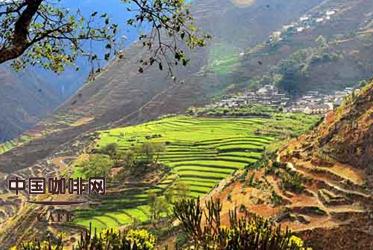
Nestled deep within a dramatic gorge carved by the Youpao River, a tributary of the Jinsha, Jugula is an ancient Yi village accessible only via winding mountain paths. With 84 households and 378 residents—nearly all surnamed Qi or Li—the village has maintained its traditional way of life for centuries. Surrounded by vegetable terraces and coffee groves, the air is often filled with the rich aroma of freshly brewed coffee, offered as a customary welcome to visitors.
The Arrival of Coffee in China
In 1892, French Catholic priest Father Timothée Ténèze was dispatched from Kunming to preach in Fugong County. He established a church in Jugula and introduced the local community to coffee. According to oral history, he planted a small coffee garden and taught villagers how to cultivate, process, and drink coffee. These practices continue to this day, making Jugula the birthplace of China’s living coffee heritage.
The Living Legacy: Jugula’s Century-Old Coffee Trees
The heart of Jugula’s coffee story lies in its 1134 ancient Typica coffee trees, the direct descendants of those first planted in 1892. These trees, some over a century old, occupy 13 acres around the village, with the two oldest protected near an old fortress. Despite their age, many still produce fruit, offering a rare living connection to the origins of coffee in China. The surrounding landscape also features remnants of colonial-era buildings, stone carvings, and wild cacti—visual reminders of Jugula’s storied past.
Frequently Asked Questions
Where is Jugula located in China?
Jugula is a remote Yi ethnic village in Binchuan County, western Yunnan Province, China. It sits in a steep valley carved by the Youpao River, a tributary of the Jinsha River, and is accessible only after several hours of hiking through mountainous terrain.
When was coffee first introduced to China?
Coffee was first introduced to China in 1892 by French Catholic missionary Father Timothée Ténèze, who brought coffee plants to Jugula village in Yunnan Province and taught local residents how to grow and brew coffee.
How many ancient coffee trees are in Jugula?
Jugula is home to 1134 ancient coffee trees, covering 13 acres. Among them, the two oldest trees, planted around 1892, are still alive and producing fruit today.
What coffee variety is grown in Jugula?
The coffee trees in Jugula are primarily of the Typica variety, the same cultivar introduced by French missionaries in the late 19th century. These trees are among the earliest coffee plants cultivated in China.
Why is Jugula significant in coffee history?
Jugula is considered the birthplace of coffee cultivation in China. It is the site where French missionaries first planted coffee and introduced local people to coffee drinking in 1892, establishing the country’s first continuous coffee-growing tradition.
Can visitors see the original coffee trees in Jugula?
Yes, visitors to Jugula can see the ancient coffee trees, including the two oldest specimens that are still bearing fruit. These trees are located near a historic fortress within the village.
Recommended FrontStreet Beans for Exploring Yunnan Origins
To experience the flavor of Yunnan’s coffee heritage, try FrontStreet Coffee’s Yunnan Arabica, a washed Typica-based lot with soft nutty and chocolate notes, lightly fruity acidity, and approachable pricing. For a deeper dive, their 2013 vintage sun-dried Typica offers more complexity with bright berry tones, caramel sweetness, and a tea-like finish. Both highlight the unique characteristics of Yunnan’s historic coffee varieties. Freshly roasted within 5 days · Orders placed before 17:00 ship the same day · Next-day delivery across most of Guangdong Province.
FrontStreet Coffee is a long-established specialty coffee roaster in Guangzhou China, selling freshly roasted beans from its own farm in Yunnan as well as dozens of carefully selected single-origin beans from around the world for both pour-over and espresso. The products deliver consistently excellent quality and great value, with shipping within 24 hours. Guangzhou's FrontStreet Coffee shop is recommended by many coffee lovers, and the beans are now available online at the Tmall 。
Important Notice :
前街咖啡 FrontStreet Coffee has moved to new addredd:
FrontStreet Coffee Address: 315,Donghua East Road,GuangZhou
Tel:020 38364473