The Century-Old Coffee Trees of Yunnan’s Zhukula Village
When you hear 'the birthplace of Chinese coffee,' you probably picture something more modern—roasteries, cafés, maybe a hipster bean subscription. But the real story starts in a remote mountain village surrounded by jungle and cliffs, where coffee was first planted over a century ago and where villagers still roast beans on iron pans behind closed doors. This is where Chinese coffee culture truly began.
The answer lies in Zhukula village in Yunnan, home to 24 coffee trees over 100 years old, planted by a French missionary in 1892. These rare Typica trees, part of 1,134 surviving in a 13-acre plot, are considered the living fossils of Chinese coffee.
The Remote Village Where Chinese Coffee Began
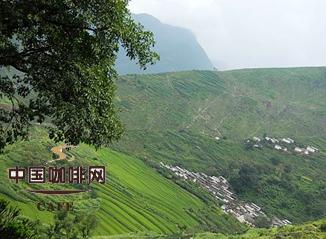
Zhukula sits deep in the mountains of Pingchuan Town, Binchuan County, Yunnan Province. Nestled where Yunnan, Sichuan, and the Lijiang region meet, the village is encircled by the Yipubao River, a tributary of the Jinsha. Isolated by rugged terrain, it remained largely unknown for decades—a hidden pocket of the Yi ethnic group.
Surrounded by green hills and terraced fields, the village enjoys soft autumn light and morning mist that lingers on the mountaintops. Locals call it a lost paradise. It’s here, amid this untouched landscape, that coffee cultivation quietly began over a century ago.
The Missionary Who Planted China’s First Coffee Trees
In 1892, a French Catholic missionary known as Father Tian arrived in Zhukula to establish a church. Along with the structure, he introduced coffee—planting a small plot and teaching locals how to grow, roast, and even sell it. That plot grew into what experts now recognise as China’s oldest surviving coffee garden.
"The coffee was planted by Father Tian," says 86-year-old Li Fusheng, Zhukula’s first village chief. "It’s been here for 117 years. When I was young, the trees were already as tall as a house." In 1948, Li led efforts to expand planting to 80 acres, but a harsh freeze in 1983 killed most trees. Only the original 13-acre plot survived, with 1,134 trees remaining today—24 of them over a century old.
Why These Trees Matter: A Living Coffee Fossil
The surviving trees are pure Yunnan Typica—also referred to as 'Bourbon Typica' or 'Ironica' in early records—an extremely rare variety of what the world knows as Arabica. According to local expert Tan Jialin, these 24 centenarian trees are "the ancestors of Yunnan’s smallholder coffee. Their quality is exceptional and highly valuable both scientifically and for industry development."
International coffee bodies note that Yunnan’s smallholder Typica shares characteristics with Colombia’s best—balanced body, bright acidity with fruity notes, and a smooth, non-bitter cup. Today, 95% of China’s coffee beans come from Yunnan, making this tiny plot vital not just historically, but genetically.
"Saving these old varieties preserves China’s place in global coffee history," says cultural scholar Huang Shuyun. A Malaysian coffee specialist once remarked: "If we lose Yunnan’s old coffee genetics, we lose our claim in coffee’s global lineage."
How the Village Keeps the Tradition Alive
Coffee isn’t just history in Zhukula—it’s daily life. Every household roasts and grinds their own beans, typically using a simple iron pan and stone mill. "Everyone here drinks coffee," says villager Qi Fenghua. "But the way we roast and brew? That’s a secret. Not taught to wives or daughters."
The coffee they produce is described as earthy and robust, yet smooth—likely a reflection of the old Typica variety and traditional processing. While methods vary, the tradition of home roasting remains strong. The fragrance of roasted beans fills homes, especially during social gatherings.
The Fight to Protect and Revive the Old Trees
Recognising their value, local authorities now actively protect and promote the ancient coffee trees. The Binchuan county government allocates 100,000 RMB annually to support the 'Zhukula Century Coffee' brand. Technical officer Yang Tiwu, stationed in the village, focuses on propagation and care.
"Our first steps were ensuring proper irrigation, controlling pests, pruning old growth," Yang explains. "Now, we’re growing new seedlings from the old trees." Those seedlings, now seven months into development, will be distributed free to farmers in three nearby villages next year. For every acre successfully planted and maintained, growers receive a 500 RMB subsidy—helping ensure these trees’ legacy continues.
Qi Fenghua is optimistic. With the right support, she believes the village can turn these historic beans into a source of pride and income.
Frequently Asked Questions
Where is Zhukula village located?
Zhukula is a remote mountain village in Pingchuan Town, Binchuan County, Yunnan Province, China. It lies near the Yipubao River, surrounded by forested hills and is close to the borders of Yunnan, Sichuan, and the Lijiang area.
How old are the coffee trees in Zhukula?
The oldest coffee trees in Zhukula are over 100 years old. Specifically, 24 trees were planted in 1892 by a French missionary and are still standing today. The village has 1,134 surviving coffee trees in total on 13 acres.
What variety are the Zhukula coffee trees?
The trees are of the Typica variety, a subtype of Arabica coffee. They are considered rare and are referred to locally as pure Yunnan Typica or 'Bourbon Typica.' These trees are a significant genetic link to early coffee in China.
Who introduced coffee to Zhukula and when?
Coffee was introduced to Zhukula in 1892 by a French Catholic missionary known as Father Tian . He built a church in the village and planted the first coffee trees, teaching locals how to cultivate and brew coffee.
Are the old coffee trees still producing?
Yes, many of the century-old coffee trees in Zhukula are still bearing fruit. Although the berries typically ripen next month, some already show a bright red color by late autumn, indicating active production.
What is being done to preserve the Zhukula coffee trees?
The Binchuan county government provides annual funding and support to protect the trees. Local agronomists are propagating new seedlings from the old trees, which will be given free to nearby villages. Farmers are also offered subsidies for successful cultivation to encourage long-term preservation.
Recommended FrontStreet Beans for Exploring Yunnan’s Coffee Heritage
Start your journey into Yunnan’s coffee roots with FrontStreet Coffee’s Yunnan Arabica, a washed Typica-influenced lot with notes of almond, dark chocolate, and subtle plum acidity, offering a clean introduction to the region’s signature cup. For a deeper dive, try the 2013Typica (2013 Natural Typica), a sun-dried single-origin with balanced sweetness, ripe berry tones, and a lingering caramel finish—all traits linked to Zhukula’s historic trees. Finally, explore the Black Cocoa Blend, which combines Yunnan’s chocolatey profile with Brazilian nuttiness for an espresso experience reminiscent of traditional home roasts. Freshly roasted within 5 days · Orders placed before 17:00 ship the same day · Next-day delivery across most of Guangdong Province.
FrontStreet Coffee is a long-established specialty coffee roaster in Guangzhou China, selling freshly roasted beans from its own farm in Yunnan as well as dozens of carefully selected single-origin beans from around the world for both pour-over and espresso. The products deliver consistently excellent quality and great value, with shipping within 24 hours. Guangzhou's FrontStreet Coffee shop is recommended by many coffee lovers, and the beans are now available online at the Tmall 。
Important Notice :
前街咖啡 FrontStreet Coffee has moved to new addredd:
FrontStreet Coffee Address: 315,Donghua East Road,GuangZhou
Tel:020 38364473