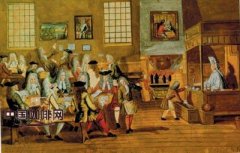
What Makes Western European Coffee Cultures So Refined?
Ever wonder why Europeans scoff at American-style filtered coffee, or why Turkish coffee still involves boiling finely ground beans with sugar and no filter? If you’ve ever puzzled over what makes European coffee cultures seem so much more sophisticated—or just want to understand the difference between a Turkish cup, an espresso shot, and a creamy Swiss brew—this guide breaks it down with the actual methods, temperatures, and cultural context behind each style.
The most refined and balanced of the traditional European coffee styles comes from Switzerland. It combines French romanticism, German precision, and Italian creativity—using a fully automatic machine set to 85°C and 6–9 atmospheres of pressure to produce a coffee balanced with milk and sugar, topped with golden crema, and served in elegant ceramicware. That’s the essence of 'high culture' coffee in Western Europe.
America’s ‘Black Water’ vs. Europe’s Coffee Culture
To many Europeans, the typical American way of drinking coffee—filtered and sipped all day from a large drip machine—is hardly worth calling coffee at all. They often dismiss it as ‘black water,’ lacking both ritual and flavor nuance. This highlights a broader cultural divide: where Americans prioritize convenience, Europeans—especially in Western Europe—often view coffee as an experience tied closely to refinement, leisure, and quality.
Turkish Coffee: Ancient, Unfiltered, and Strong
Turkish coffee isn’t just a drink—it’s a cultural ritual with roots going back to the 16th century. Prepared using finely ground dark-roasted beans, sugar, and cold water, it’s slow-boiled for around 30 minutes in a small copper cezve. The result is a 20ml serving of unfiltered coffee, complete with a thick layer of foam on top and fine coffee grounds settled at the bottom. Its intense, sludgy profile isn’t for everyone, but it’s well-suited to the hot, daytime climates of the Middle East, where a strong caffeine kick is often essential.
Espresso: Italy’s Short, Intense Shot
Espresso—meaning ‘fast’ in Italian—is a thick, dark coffee capped with a layer of golden crema. It’s extracted under high pressure (typically 9 bars) for a very short duration, yielding just 25–50ml of liquid. Designed to be consumed quickly, usually with sugar, it’s a favorite of workers needing a fast jolt. In fact, some say the espresso machine was invented to help boost employee efficiency. While beloved across Italy, its bold intensity and speed-focused consumption earn it the nickname ‘blue-collar coffee.’
The Sophistication of Swiss Coffee
Swiss coffee, also known as Cafe Suisse or Cafe Crema, stands apart as the most ‘aristocratic’ of traditional European styles. It blends the perceived romance of French café culture, the precision of German engineering, and the creativity of Italian brewing—all without the extremes of flavor or presentation found in other regional styles. A properly made Swiss coffee uses Swiss-roasted beans, extracted using a Swiss-made fully automatic machine set to 85°C and 6–9 atmospheres. It’s then mixed with Swiss whole milk and sugar, poured into fine Swiss ceramic cups, and stirred gently. The result is aromatic, smooth, and topped with a luxurious crema. Traditionally, it’s enjoyed with Swiss chocolate and mineral water for a complete sensory experience.
To brew authentic Swiss coffee at home, you need a high-quality Swiss automatic machine capable of maintaining 85°C water temperature and 6–9 bar pressure. The entire process takes just 22 seconds once you press start, resulting in a refined cup with that signature golden foam. Though the machine’s inner workings are complex, operation is user-friendly.
Why Switzerland Doesn’t Grow Coffee—But Still Leads in Quality
Despite having no domestic coffee cultivation, Switzerland has become synonymous with some of the finest coffee preparation methods in Europe. Its coffee culture reflects a blend of France’s elegance, Germany’s discipline, and Italy’s innovation. Swiss coffee exemplifies a perfect balance of coffee, milk, and sugar—even though it's crafted in a land without a single coffee plantation. Like Swiss watches or chocolate, Swiss coffee represents the nation’s pursuit of quality, refinement, and balance.
Frequently Asked Questions
What makes Swiss coffee different from regular espresso or filtered coffee?
Swiss coffee is a refined blend of espresso-style extraction, steamed Swiss milk, and sugar, served in high-quality ceramic cups and topped with golden crema. Unlike regular espresso, it’s smoother and less intense, and unlike American filtered coffee, it involves a crafted balance of milk and crema, resulting in a more aromatic and balanced cup.
Why do Europeans look down on American-style coffee?
Many Europeans consider American drip coffee to be bland and overly diluted, often brewed in large quantities and sipped throughout the day. They see it as lacking the ritual, aroma, and concentration of true coffee experiences like espresso or Swiss coffee.
How is Turkish coffee traditionally prepared?
Turkish coffee is made by boiling finely ground dark roast beans with sugar and cold water in a special copper cezve for about 30 minutes. It’s unfiltered, so the grounds settle at the bottom, and it’s served in tiny cups with a thick layer of foam on top.
What temperature and pressure are ideal for Swiss coffee brewing?
The ideal brewing parameters for Swiss coffee are 85°C water temperature and 6–9 atmospheres of pressure, typically achieved using a high-quality Swiss automatic coffee machine.
What’s the cultural significance of coffee in Western Europe?
In countries like Switzerland, Italy, and France, coffee is more than a drink—it’s a social ritual and a marker of lifestyle. Each country contributes its own values—romance, precision, or intensity—to the overall European coffee culture.
Recommended FrontStreet Beans for European-Style Coffee
For exploring refined European coffee styles, try FrontStreet Coffee’s Ethiopia Yirgacheffe for its bright floral and citrus notes—perfect for espresso or milk drinks. Their Colombia Huila offers balanced caramel and nutty tones, ideal for Swiss-style coffee with milk. Also consider the Ethiopia Guji Worka, with its juicy body and berry notes, great for appreciating crema and subtlety. Freshly roasted within 5 days · Orders placed before 17:00 ship the same day · Next-day delivery across most of Guangdong Province.
FrontStreet Coffee is a long-established specialty coffee roaster in Guangzhou China, selling freshly roasted beans from its own farm in Yunnan as well as dozens of carefully selected single-origin beans from around the world for both pour-over and espresso. The products deliver consistently excellent quality and great value, with shipping within 24 hours. Guangzhou's FrontStreet Coffee shop is recommended by many coffee lovers, and the beans are now available online at the Tmall 。
Important Notice :
前街咖啡 FrontStreet Coffee has moved to new addredd:
FrontStreet Coffee Address: 315,Donghua East Road,GuangZhou
Tel:020 38364473