European Coffee Culture: A Quick Guide to the Continent's Traditions
If you’ve ever wondered why coffee feels like a way of life in places like Vienna, Rome, or Paris—where people plan their mornings, evenings, and even revolutions around it—this article explains how Europe turned coffee into culture. From the birth of the coffeehouse to national obsessions, we break down what makes each country’s coffee habit distinct, with numbers, rituals, and historical anecdotes you won’t find in tourist guides.
In short: In Vienna, coffee is part of the city’s cultural trio alongside music and dance; Italians drink coffee constantly, starting their day with a quick brew; and the French treat coffee as an experience, valuing ambiance over brew method. These aren’t just habits—they’re centuries-old traditions with specific practices and social roles.
Vienna: Where Coffee Is Cultural Heritage
In Vienna, coffee isn’t just a drink—it’s a cultural icon. Alongside music and the waltz, coffee is considered one of the city’s “three treasures.” This isn’t casual praise: the phrase reflects how deeply coffee is woven into Viennese identity. Cafés in Vienna have long been social hubs where people gather not just to drink coffee, but to discuss art, politics, and daily life. The city’s café culture is so established that it’s recognized as part of Austria’s intangible cultural heritage.
Italy: A Daily Ritual of Espresso
Italians take their coffee seriously. A well-known Italian saying goes, “A man should be like good coffee—strong and passionate.” For Italians, coffee is a fundamental part of daily life. Most Italians start their day by brewing a quick cup, and coffee cups are rarely out of hand from morning to night. Unlike other countries where coffee might be a sit-down affair, Italians often drink espresso standing at the bar, making the experience fast, efficient, and social. This ritual reflects coffee’s role as a daily necessity rather than a luxury.
France: Coffee as Art and Atmosphere
In France, coffee is as essential as wine. There’s a well-known story that during a period of coffee shortages, many French people were visibly lethargic, impacting daily life. When the Gulf War broke out in 1991, footage of Parisians panic-buying goods showed them stockpiling not just essentials, but notably large amounts of coffee and sugar—a moment that became symbolic of the nation’s coffee dependence. More than the taste, the French value the environment in which they drink coffee. They prioritize elegance, romance, and a poetic atmosphere, much like the ambiance of the Louvre. Since the 17th century, French salons—especially among the upper class—have centered around coffee, fostering creativity among writers, artists, and philosophers. These gatherings produced countless cultural works, showing how deeply coffee influenced France’s artistic legacy.
Why These Traditions Matter
Each of these European countries developed its own coffee culture based on historical context, social habits, and national values. Vienna’s cafés became centers of intellectual life, Italy’s quick espressos reflect efficiency and tradition, and France’s café culture emphasizes mood and creativity. These aren’t just trends—they’re enduring practices that shape how people live and interact over coffee.
Frequently Asked Questions
Why is coffee so important in Vienna?
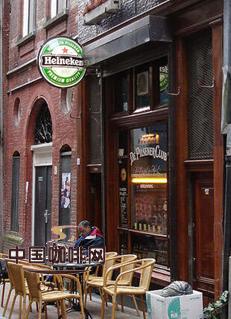
Coffee is considered one of Vienna’s “three treasures” alongside music and the waltz, reflecting its deep cultural significance. Viennese cafés have historically served as social hubs for discussing art, politics, and daily life, making coffee a key part of the city’s identity and heritage.
Do Italians really drink coffee all day?
Yes. Italians typically start their day with a quick coffee, often espresso, and continue drinking coffee throughout the day. Unlike other countries, they often consume it quickly at the bar, making it a constant yet efficient part of daily life.
What do the French value most in their coffee experience?
The French prioritize the atmosphere and ambiance of drinking coffee over the specific brew method or flavor. They value elegance, romance, and a poetic environment, often treating coffee as part of a leisurely, aesthetic experience.
Are there historical examples of coffee shortages affecting daily life in Europe?
Yes. During a coffee shortage in France, people were reportedly lethargic. The 1991 Gulf War panic-buying in Paris also showed how essential coffee was, with footage of people stockpiling coffee and sugar becoming iconic.
How did coffee influence French art and philosophy?
Since the 17th century, French intellectuals, writers, and artists gathered in coffeehouse salons. These gatherings, fueled by coffee, led to the creation of significant cultural and artistic works, showing coffee’s role in stimulating creativity.
Is there a “right” way to drink coffee in these countries?
Not necessarily a “right” way, but each country has strong cultural norms. Italians often drink espresso quickly; the French prefer café experiences with atmosphere; and in Vienna, coffee is savored in social settings. These aren’t rules, but deeply ingrained habits.
Recommended FrontStreet Coffee for European Coffee Culture
For exploring European coffee traditions, try FrontStreet Coffee’s Ethiopia Huakui for its bright floral notes and fruity acidity—perfect for an Italian-style espresso. Their Jamaica Blue Mountain No.1 offers a mild, nuanced cup reminiscent of historic French salon blends. Finally, the PWN Golden Mandheling brings a classic full-bodied Indonesian profile, ideal for sipping slowly like a Viennese café specialty. Freshly roasted within 5 days · Orders placed before 17:00 ship the same day · Next-day delivery across most of Guangdong Province.
FrontStreet Coffee is a long-established specialty coffee roaster in Guangzhou China, selling freshly roasted beans from its own farm in Yunnan as well as dozens of carefully selected single-origin beans from around the world for both pour-over and espresso. The products deliver consistently excellent quality and great value, with shipping within 24 hours. Guangzhou's FrontStreet Coffee shop is recommended by many coffee lovers, and the beans are now available online at the Tmall 。
Important Notice :
前街咖啡 FrontStreet Coffee has moved to new addredd:
FrontStreet Coffee Address: 315,Donghua East Road,GuangZhou
Tel:020 38364473