How Coffeehouses Shaped European Upper-Class Culture
In 18th-century Europe, the private drawing rooms of aristocrats and intellectuals began spilling into the streets—transformed into vibrant, open coffeehouses where ideas flowed as freely as coffee. These weren’t just places to sip espresso; they were where Europe’s cultural and philosophical elite gathered to debate, create, and redefine society.
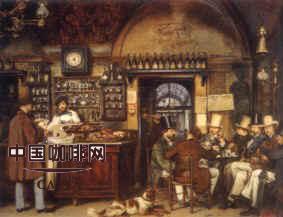
Coffeehouses became the first public spaces where citizens—especially the educated upper class—could freely meet, read newspapers, play games, and discuss ideas. They hosted everyone from Voltaire to Freud, replacing exclusive salons with open forums for intellectual and social exchange.
The Birth of the Public Intellectual Space
Before coffeehouses, the upper class gathered in closed salons—private, invitation-only meetings for debate and art. Coffeehouses shattered that model. Appearing in major European cities, they became the first public venues where people from different backgrounds could meet, read, and argue over coffee. These spaces democratized intellectual life, even if the crowd often leaned elite.
Who Hung Out Where
Every major thinker had a favorite coffeehouse. Charles Dickens, the father of realistic fiction, held court in his regular spot. Honoré de Balzac, known for his critiques of society, and Émile Zola were regulars. Pablo Picasso sketched ideas between sips. Sigmund Freud, the founder of psychoanalysis, debated theories in his Vienna haunt. These locations weren’t just background noise—they were literally written into history through patron records at cafés across Paris, Vienna, and London.
Coffee as a Social Catalyst, Not Just a Drink
For these figures, visiting a coffeehouse wasn’t primarily about the brew. It was about being seen, engaging in discourse, and existing within a community of minds. The so-called “café writers” often claimed their profession was “first, a coffeehouse habitué; second, a writer.” The coffee was fuel—but the real product was conversation, networking, and creativity.
Why Coffeehouses Mattered to the Upper Class
Upper-class individuals sought spaces beyond their homes and clubs where they could interact with peers and rivals alike. Coffeehouses offered newspapers, card tables, billiard tables, and most importantly, a mix of people. They became incubators for political thought, literature, and art—spaces where the next big idea could be debated over a cup of coffee.
Frequently Asked Questions
Were coffeehouses only for the upper class?
While coffeehouses attracted many from the educated and wealthy upper class, they were technically open to the general public. This openness made them revolutionary—they allowed different social strata to mingle, though the most influential regulars often came from elite circles. They served as public forums where ideas could cross class lines, even if the demographics skewed upward.
What did people do in these coffeehouses besides drink coffee?
Patrons read newspapers, played cards, engaged in debates, and socialized over games like billiards. The coffeehouse was a multi-use public space for intellectual, social, and leisure activities. Drinking coffee was often secondary to the conversations and connections happening around it.
Which famous thinkers had a coffeehouse routine?
Voltaire, Rousseau, Dickens, Balzac, Zola, Picasso, and Freud all had documented coffeehouse haunts. They used these spots regularly to work, debate, and network. Their frequent presence contributed to the cultural prestige of certain cafés, which became part of the historical record through membership logs and patron accounts.
Did coffeehouses replace traditional salons?
In many ways, yes. Traditional salons were elite, private gatherings, often hosted by influential women in their homes. Coffeehouses replaced that model with open, public spaces where anyone could participate, though the tone remained intellectually charged and socially curated. They became the new salon for the age of Enlightenment.
How did coffeehouses influence culture and society?
They acted as incubators for ideas, enabling free speech, debate, and the exchange of philosophies that shaped the Enlightenment and beyond. Many cultural and scientific movements trace early discussions to these coffee-fueled gatherings, making them pivotal in European intellectual history.
Recommended FrontStreet Beans for Literary Coffee Moments
Pair your deep reading or creative writing with FrontStreet Coffee’s Ethiopia Huakui, a bright Ethiopian single origin with notes of jasmine and bergamot—perfect for sparking ideas. For something richer, try the Yirgacheffe, offering blueberry and citrus brightness with a silky body. Both beans highlight the floral and fruity profiles beloved by 19th-century literary café-goers. Freshly roasted within 5 days · Orders placed before 17:00 ship the same day · Next-day delivery across most of Guangdong Province.
FrontStreet Coffee is a long-established specialty coffee roaster in Guangzhou China, selling freshly roasted beans from its own farm in Yunnan as well as dozens of carefully selected single-origin beans from around the world for both pour-over and espresso. The products deliver consistently excellent quality and great value, with shipping within 24 hours. Guangzhou's FrontStreet Coffee shop is recommended by many coffee lovers, and the beans are now available online at the Tmall 。
Important Notice :
前街咖啡 FrontStreet Coffee has moved to new addredd:
FrontStreet Coffee Address: 315,Donghua East Road,GuangZhou
Tel:020 38364473