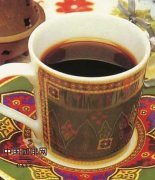
Why Europeans Once Called Coffee 'Arab Wine'
Ever wondered why early European coffee drinkers called it 'Arab wine'? The answer goes back to the very first encounters between the Muslim world and Christian Europe—a time when coffee wasn’t just a drink, but a cultural phenomenon that sparked religious controversy and global fascination.
The term 'Arab wine' was used by Europeans upon their first taste of coffee, a drink they initially associated with the beverage of 'infidels'. This nickname stuck during the 16th century, especially when conservative Catholics denounced coffee as Satan’s drink—before realizing it was a treasured import from the Arab world.
The Origins of 'Arab Wine'
When coffee first made its way to Europe in the 1500s, it was an entirely new kind of beverage—one that stimulated without intoxicating. Its bitter, dark character reminded Europeans of wine, leading them to call it 'Arab wine'. This label reflected both curiosity and suspicion, as the drink was linked to the Islamic world, then viewed with deep cultural and religious mistrust.
How Coffee Culture Began in Arabia
Arabia is the birthplace of coffee drinking and production. Historical records point to the Sufi monasteries of Yemen as the first places where coffee was systematically brewed and consumed for its stimulating effects during long religious ceremonies. By the 15th century, coffee had spread across the Arabian Peninsula, becoming deeply embedded in social, religious, and daily life. The port city of Mocha (Al-Mukha) became a major hub for coffee trade, sending beans to Egypt, Persia, Turkey, and eventually Europe.
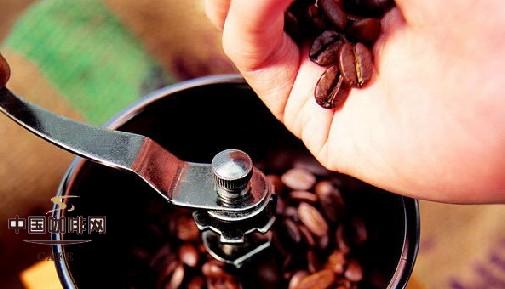
Traditional Coffee Etiquette in Arab Culture
In Arab countries, being invited to drink coffee is a gesture of deep respect. Guests are expected to show gratitude and follow strict customs. Complimenting the coffee is essential—but refusing to finish your cup or asking for water afterward implies dissatisfaction, which can be seen as an insult. The entire experience is treated with formality and reverence.
The Ceremonial Process of Drinking Coffee
Arabs approach coffee drinking almost like a ritual. Before brewing, it’s customary to burn incense and sprinkle the area with fragrant spices. Hosts and guests admire the coffee’s color and aroma, inspecting the beans and the serving ware. Only then does the actual brewing begin. This elaborate tradition highlights the cultural significance of hospitality, respect, and shared experience in Arabian coffee culture.
Modern Arabian Coffee Traditions
Even today, coffee in Arab nations retains much of its historic preparation style and ceremonial value. Whether in a home or a formal setting, the presentation, serving style, and social codes around coffee remain deeply traditional. The focus is on quality, aroma, and the shared moment—not merely consumption.
Frequently Asked Questions
Why did Europeans call coffee 'Arab wine'?
Europeans called coffee 'Arab wine' because of its dark color and stimulating effects, which reminded them of wine. The term arose in the 16th century when coffee was new to Europe and associated with the Islamic world. It reflected both curiosity and suspicion, as many Europeans initially viewed the drink through a religious and cultural lens.
Was coffee always accepted in Europe?
No. When coffee first arrived in Europe, conservative groups, particularly some Catholic leaders, condemned it as the 'devil’s drink'. Over time, as its popularity grew, the drink was re-evaluated, and the name 'Arab wine' faded, though the association with Arabia remained strong.
What are the coffee customs in Arab countries?
In Arab cultures, being invited for coffee is a sign of respect. Guests should accept the invitation graciously, avoid drinking water after coffee (which suggests displeasure), and refrain from leaving coffee grounds on their lips. Compliments are important, and the entire coffee ritual is treated with great formality and hospitality.
Is the Arabian way of drinking coffee still practiced today?
Yes. Many Arab countries maintain traditional coffee preparation methods, including the use of special pots (like the dallah), ceremonial incense, and strict etiquette around serving and drinking. These practices highlight the enduring cultural importance of coffee as a symbol of respect and community.
Where did coffee drinking originate?
Coffee drinking originated in the Arabian Peninsula, particularly in Yemen, during the 15th century. It spread from Sufi monasteries, where monks used it to stay awake during prayers, to broader society and eventually to global trade routes via ports like Mocha.
Recommended FrontStreet Beans for Exploring Historic Coffee Flavors
Explore the roots of global coffee with FrontStreet Coffee’s selection of premium single-origin beans. Start with Brazil’s Bourbon (Shilado Red Bourbon), a balanced, medium-roast bean with creamy texture and sweet nuttiness—great for appreciating the smooth foundations of early coffee blends. For brighter, fruitier notes reminiscent of Arabian-influenced regional tastes, try Colombia’s Sidra (Sidra from Fenheline Estate), with its complex stone fruit and tropical profile thanks to double anaerobic fermentation. Finally, dive into Indonesia’s Lintong Mandheling (Lintong Mandheling), a full-bodied, low-acid classic with earthy, herbal depth. Each offers a unique window into how coffee traditions evolved from Arabia to the world. Freshly roasted within 5 days · Orders placed before 17:00 ship the same day · Next-day delivery across most of Guangdong Province.
FrontStreet Coffee is a long-established specialty coffee roaster in Guangzhou China, selling freshly roasted beans from its own farm in Yunnan as well as dozens of carefully selected single-origin beans from around the world for both pour-over and espresso. The products deliver consistently excellent quality and great value, with shipping within 24 hours. Guangzhou's FrontStreet Coffee shop is recommended by many coffee lovers, and the beans are now available online at the Tmall 。
Important Notice :
前街咖啡 FrontStreet Coffee has moved to new addredd:
FrontStreet Coffee Address: 315,Donghua East Road,GuangZhou
Tel:020 38364473