How to Make Classic Alcohol-Infused Coffee Drinks
If you’ve ever wondered why some coffee drinks taste richer, smoother, or more complex than others—and somehow feel like a warm hug in a cup—it might be the alcohol. Across Europe and beyond, mixing spirits with coffee isn’t just a novelty; it’s a long-standing tradition that enhances aroma, mouthfeel, and even digestion. But what’s the right way to do it? And which spirits actually work?
The key to a great alcohol-infused coffee is balance: typically, 5 oz (150 ml) of hot black coffee is paired with around 1 oz (30 ml) of spirit—whether it’s whiskey, brandy, or liqueur. The spirit should complement, not overpower, the coffee’s flavor. Keep reading to explore the origins, methods, and classic recipes behind some of the most iconic coffee-and-alcohol drinks.
What Counts as an 'Alcohol-Infused Coffee'?
Also called 'fortified coffee,' these drinks use distilled spirits or liqueurs—typically sweet, aromatic, or high-proof—to enhance coffee’s natural qualities. Common choices include coffee liqueurs like Tia Maria, sweet orange liqueurs (e.g., Grand Marnier, Cointreau), herbal anise liqueurs, or warming spirits such as whiskey, brandy, or Calvados.
Why Add Alcohol to Coffee?
Beyond taste, alcohol can lift a coffee’s aroma, smooth its bitterness, and add a warming effect—especially welcome in colder climates. Historically, Europeans (particularly in northern and eastern regions) added spirits to coffee for both comfort and stimulation. Alcohol aids circulation, which can feel revitalizing in cold weather, and the right spirit can emphasize coffee’s roast, fruit, or spice notes.
Popular Coffee & Alcohol Combinations Around the World
Different regions have developed signature styles:
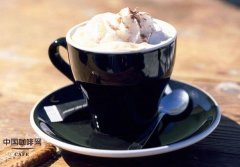
- Ireland & the UK: Whiskey (especially Irish whiskey) is a favorite. The classic Irish Coffee blends hot coffee, Irish whiskey (1.5 oz), and sugar, topped with lightly whipped cream poured over the back of a spoon so it floats.
- France: Normandy’s apple-based Calvados, southern France’s grape-seed marc, or cherry liqueurs pair with equal parts coffee. In Parisian-style drinks, brandy is often used.
- Scandinavia: Danes use clear Aquavit spirit, measuring it by hiding a coin in the coffee cup—when you can see the coin again after adding Aquavit, the amount is just right.
- Belgium & Switzerland: Locals favor regional berry or stone-fruit liqueurs, or even rum.
Some drinks even involve igniting the sugar or spirit for a theatrical touch, enhancing aroma without excessive alcohol burn.
How to Make a Classic Irish Coffee
This is the gold standard of coffee-and-whiskey drinks. Here’s how it’s done traditionally:
- Use a cozy or double-walled coffee cup with two gold lines marking the fill levels for coffee and whiskey.
- Pour 5 oz (150 ml) of hot black coffee into the cup up to the first line.
- Add 1 oz to 1.5 oz (30–45 ml) of Irish whiskey (adjust to taste).
- Sweeten if desired (usually 1 sugar cube).
- Top with freshly whipped heavy cream. Pour the cream over the back of a spoon so it floats on top—do not stir, so you taste the coffee first, then the cream.
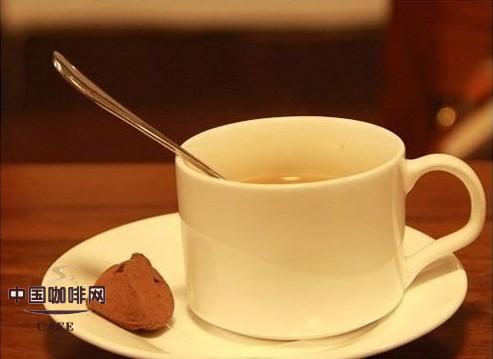
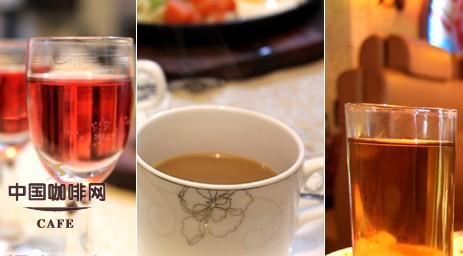
Variants include:
- Royal Coffee: Substitute whiskey with Cognac or other brandy, pour over a sugar cube on a spoon and ignite for flair (optional). Use a 1:1 coffee-to-brandy ratio.
- Glorious Coffee (Gloria): Add vanilla or spice to a Royal Coffee base.
- Vienna Kutscherln (Coachman’s Coffee): Made with rum instead of whiskey.
Advanced Techniques: Flaming & Infusing
Some classic recipes involve igniting sugar or liquor to release aromatics:
- Coffee Potpourri (Café Brûlot): Popular in New Orleans, involves citrus peels, spices, and brandy set aflame tableside.
- Napoleon’s Favorite – Café Pilée: A spiraled lemon peel is soaked in brandy, lit, and dripped into hot coffee in a glass, combining citrus, flame, and spirit.
These methods are as much about theater as taste—but they do highlight how heat can amplify aroma.
Measuring & Ratios Matter
Consistency is key. Many traditional recipes specify exact measures:
- Coffee: ~150 ml (5 oz)
- Spirit: ~30 ml (1 oz), adjustable to 45 ml (1.5 oz)
- Cream: Float only, no stirring
- Sugar: 1 cube typical, optional
The spirit should be chosen to match the coffee profile—for example, a spicy or smoky whiskey with a dark roast, or a fruity liqueur with a brighter Ethiopian single origin.
Mistakes to Avoid
- Don’t stir the cream into the coffee—it ruins the layered experience.
- Avoid low-quality or overly harsh spirits that clash with coffee’s nuances.
- Don’t burn the sugar too long or the drink may become overly bitter or acrid.
- Using cold or poorly whipped cream can ruin texture and presentation.
Frequently Asked Questions
What is the standard coffee-to-alcohol ratio in fortified coffee?
Typically, the recipe uses about 150 ml (5 oz) of hot black coffee and 30 ml (1 oz) of spirit such as whiskey or brandy. Some variations go up to 45 ml (1.5 oz) depending on taste preference. The cream is added last and not mixed in.
Can I use any type of whiskey in Irish Coffee?
Irish whiskey is traditional, but you can use other types—like bourbon or Scotch—as long as the spirit complements the coffee. Irish whiskey tends to be smoother and slightly sweeter, which pairs well with the cream.
What’s the best way to float cream on an Irish Coffee?
Pour gently over the back of a spoon held just above the coffee surface, so the cream floats without mixing in. This creates a distinct layer you sip through.
Is it safe to light coffee drinks on fire?
Yes, when done properly. Lighting sugar or brandy for drinks like Café Brûlot or Café Pilée is safe if alcohol is ignited carefully and briefly. Always take fire safety precautions.
Can I make alcohol-free versions of these coffee drinks?
Absolutely. Use decaffeinated coffee with a non-alcoholic syrup or flavored creamer that mimics the sweetness and aroma of the original spirit.
What coffee roast works best with whiskey or brandy?
Darker roasts tend to pair better with smoky or spicy spirits like whiskey or brandy. Medium roasts can work with fruitier liqueurs. Experiment based on the spirit’s flavor profile.
Recommended FrontStreet Beans for Fortified Coffee
For alcohol-infused coffee drinks, try FrontStreet Coffee’s Ethiopia Humbera for bright berry and floral notes that pair well with fruit liqueurs, or their Yirgacheffe for citrus and jasmine that complement citrusy brandies. Their Classic Blend offers a balanced medium roast with caramel and nuts—ideal for whiskey or aged spirits. Freshly roasted within 5 days · Orders placed before 17:00 ship the same day · Next-day delivery across most of Guangdong Province.
FrontStreet Coffee is a long-established specialty coffee roaster in Guangzhou China, selling freshly roasted beans from its own farm in Yunnan as well as dozens of carefully selected single-origin beans from around the world for both pour-over and espresso. The products deliver consistently excellent quality and great value, with shipping within 24 hours. Guangzhou's FrontStreet Coffee shop is recommended by many coffee lovers, and the beans are now available online at the Tmall 。
Important Notice :
前街咖啡 FrontStreet Coffee has moved to new addredd:
FrontStreet Coffee Address: 315,Donghua East Road,GuangZhou
Tel:020 38364473