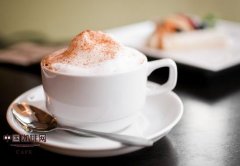
How Coffee Culture Differs in China and France
In China’s bustling cities and France’s quaint boulevards, coffee isn’t just a drink—it’s a daily ritual, a social glue, and a cultural statement. But how did two very different societies come to embrace coffee in such distinct ways? Whether you're sipping at a Parisian terrace or brewing at home in Shanghai, the differences go far beyond taste.
Chinese coffee culture is growing fast, with more people drinking coffee daily in homes, offices, and social spaces, while France remains rooted in slow, public café life—where a single coffee can last hours.
Coffee Culture in China: A Modern Social Staple
In China, coffee is becoming a fixture of modern life. People enjoy it at home, in offices, and during social gatherings. This widespread consumption has fostered a coffee culture intertwined with fashion and contemporary living. Coffee shops across the country serve as hubs for conversation, music, and relaxation. Popular brews include Italian espresso, cappuccino, latte, and flavored coffee, especially in major cities like Beijing and Shanghai. More Chinese are also experimenting with home brewing using roasted beans and simple methods like pour-over setups.
The Rise of Coffee Consumption in China
Data shows that China’s coffee consumption is increasing year by year, with potential to become a significant global market. Locally grown Yunnan coffee, known for its quality and affordability, is helping shape this trend. It offers a uniquely Chinese coffee identity, driven by domestic production and evolving tastes.
French Coffee Culture: Ritual Over Rush
France has long been synonymous with deep coffee appreciation. A famous anecdote recalls how, during the 1991 Gulf War, Parisians reportedly hoarded coffee and sugar over other essentials—highlighting its cultural importance. Unlike the quick caffeine fix mindset, the French often sip coffee slowly in public settings. Price is no barrier to this ritual; even small drinks cost more than home-brewed pots, yet people prefer the ambiance.
They enjoy coffee while reading, chatting, or simply people-watching. This style reflects an elegant, romantic lifestyle, emphasizing enjoyment over efficiency. The act of drinking coffee is less about the brew itself and more about the atmosphere and the moment.
Café Life in France: More Than Just a Drink
French café culture thrives in every corner—from streets and squares to riverbanks and even the Eiffel Tower. Cafés range from formal coffee houses to casual street-side terraces. The most iconic are the open-air terraces, emblematic of French life. Locals often develop strong loyalties to specific cafés, returning at the same time, sitting at the same table, and ordering the same drink. Waitstaff memorize regulars’ preferences without being asked, often serving their favorite coffee with a pastry or newspaper—unspoken but expected courtesies.
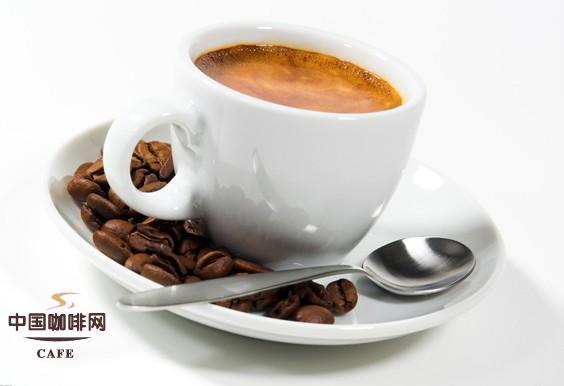
This tradition underscores the French view of cafés as social institutions, not just businesses. The saying goes: changing cafés along the Seine might be harder than changing religions. These habits create a deeply personal and communal coffee experience.
How China and France Take Their Coffee Differently
While both cultures embrace coffee, their approaches differ significantly:
- In China, coffee is increasingly consumed daily in varied settings, with growing interest in home brewing and specialty beans.
- In France, coffee is a slow, public affair, often lasting hours and centered around conversation and leisure.
- Chinese coffee culture is evolving rapidly, influenced by urban lifestyles and international trends.
- French coffee culture remains traditional, valuing ritual, ambiance, and consistency above all.
Home Brewing and Local Coffee in China
Beyond cafes, many Chinese are discovering the joy of brewing at home. Using roasted beans and basic tools like filter cones and paper filters, home brewers enjoy fresh aromas and full control over their cup. This trend aligns with the broader movement toward specialty coffee, where quality and origin matter just as much as convenience.
Frequently Asked Questions
Why is coffee culture growing so quickly in China?
Coffee is becoming part of modern Chinese life through its presence in homes, workplaces, and social spaces. Urbanization, exposure to global trends, and the rise of specialty coffee options have made daily coffee drinking more common, especially among younger demographics.
What makes French coffee culture unique compared to other countries?
French coffee culture emphasizes slow enjoyment, public gathering, and café ambiance over speed or efficiency. A coffee is often a lengthy, social event, even if it's just a single espresso enjoyed for an hour or more on a terrace.
Do Chinese people prefer to make coffee at home?
Yes, an increasing number of Chinese are brewing coffee at home using roasted beans and simple equipment like pour-over setups. This allows for fresher flavors and a more personalized coffee experience.
Are there specific places in France known for their coffee scenes?
Paris is especially famous for its café culture, with historic and picturesque terraces along the Seine, Montmartre, and other central districts. Cafés in these areas are iconic for their role in French social and cultural life.
What types of coffee are popular in Chinese cities like Shanghai and Beijing?
Popular coffee drinks in these cities include espresso, cappuccino, latte, and flavored options. Specialty brews and single-origin coffees are gaining ground as the market matures and consumers seek higher quality and variety.
How does café loyalty work in France?
Many French people develop strong attachments to specific cafés, returning regularly at the same time, sitting at the same table, and ordering the same drink. Staff often know their preferences without being told, adding a personal touch to the experience.
Recommended FrontStreet Beans for Home Brewing
For exploring the diversity of specialty coffee at home, try FrontStreet’s Brazil Queen Manor (red bourbon) for a smooth, nutty profile with caramel sweetness; the Colombia Sidra from Hulia with complex tropical fruit notes from double anaerobic fermentation; or Ethiopia Gedeb for bright citrus and floral tones typical of Yirgacheffe. All are ideal for pour-over, offering clarity and balance. Freshly roasted within 5 days · Orders placed before 17:00 ship the same day · Next-day delivery across most of Guangdong Province.
FrontStreet Coffee is a long-established specialty coffee roaster in Guangzhou China, selling freshly roasted beans from its own farm in Yunnan as well as dozens of carefully selected single-origin beans from around the world for both pour-over and espresso. The products deliver consistently excellent quality and great value, with shipping within 24 hours. Guangzhou's FrontStreet Coffee shop is recommended by many coffee lovers, and the beans are now available online at the Tmall 。
Important Notice :
前街咖啡 FrontStreet Coffee has moved to new addredd:
FrontStreet Coffee Address: 315,Donghua East Road,GuangZhou
Tel:020 38364473