Ethiopian Coffee Bean Grades Explained
When you buy Ethiopian coffee, have you ever wondered why some beans cost triple others—even when both are labeled 'single origin'? The secret lies in how Ethiopian coffee beans are officially graded, especially by defect count. Whether you're buying washed Yirgacheffe or natural Sidamo, understanding these grades helps you avoid overpaying or ending up with a flawed roast.
Ethiopian coffee beans are graded on a 1-to-5 scale. Washed (processed) beans fall under Grade 1 (0–3 defects per 300g) and Grade 2 (4–12 defects); Grade 1 is extremely rare and rarely exported. Natural (sun-dried) beans are graded Grade 3, 4, or 5—with Grade 4 usually having far fewer defects than Grade 5, though many farmers downgrade Grade 4 to Grade 5 to save on export taxes.
How Ethiopian Coffee Is Graded by Defect Count
Ethiopia’s official coffee grading system classifies beans based on the number of physical and sensory defects found in a 300g sample of green (unroasted) beans. For washed coffees:
- Grade 1: 0–3 defects per 300g (virtually flawless, almost never exported)
- Grade 2: 4–12 defects per 300g (the standard for exported Ethiopian washed coffee)
For natural (sun-dried) process beans, the grades are:
- Grade 3
- Grade 4 (fewer defects than Grade 5, but often downgraded to reduce taxes)
- Grade 5 (most defects, lowest commercial grade)
Grade 4 beans typically have significantly fewer defects than Grade 5, but some farmers intentionally declare them as Grade 5 to benefit from lower export duties—though in reality, Grade 5 beans do tend to be of noticeably lower quality.
What Ethiopian Coffee Beans Actually Look Like
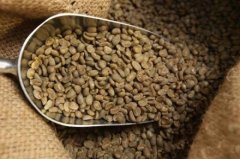
Ethiopian coffee beans are easy to spot. Most are small, elongated 'longberry' beans, but they’re often mixed with smaller, roundish 'shortberry' beans—resulting in an inconsistent, uneven appearance. This is especially true for commercial-grade natural lots (Grades 4 and 5), which can contain hundreds of different varieties from multiple regions, making them not only visually irregular but also harder to roast evenly.
The Wild Genetics Behind Ethiopian Coffee Flavor
No one—not even Ethiopian agricultural authorities—knows exactly how many distinct Arabica varieties grow in Ethiopia. Coffee grown on one mountain may come from entirely different cultivars than coffee from the next valley over, and even smallholder farms within the same area often plant unique local strains. Estimates suggest there are at least 2,000 Ethiopian coffee varieties, with some claiming the number exceeds 4,500.
Compared to the bold, plump beans of Kenya’s SL28 or the classic Typica/Geisha profiles found elsewhere, Ethiopian beans may look less impressive. But looks deceive: Ethiopian coffees are celebrated for their intense citrus (especially orange and lemon), floral, and fruity aromas. These qualities are often noticeable the moment you start brewing. However, Ethiopian beans typically have lighter body and can be tricky to roast evenly—natural lots even more so. Even top-tier Grade 3 naturals like those from Harrar often show inconsistent bean color after roasting, though this rarely ruins the cup. For coffee lovers, flavor trumps appearance every time.
Washed vs Natural: Which Ethiopian Grade Performs Better?
Ethiopian washed coffees (Grades 1 and 2) are generally more stable and consistent than naturals. Natural-processed beans (Grades 3–5), while capable of extraordinary depth and complexity, vary more from year to year and batch to batch. If you’re buying natural Ethiopians in bulk, always cup them first. A great natural Ethiopian can offer far more layered flavors than its washed counterpart—but a poorly processed one can be disappointing. The key takeaway? Ethiopian beans reward careful sourcing, no matter the grade.
Frequently Asked Questions
What is Grade 1 Ethiopian coffee?
Grade 1 Ethiopian coffee refers to washed beans with 0–3 defects per 300g of green coffee. It is extremely high quality and very rare, and is seldom exported. Most exported Ethiopian washed coffee is Grade 2, which allows 4–12 defects per 300g.
What is the difference between Grade 4 and Grade 5 Ethiopian coffee?
Grade 4 Ethiopian natural (sun-dried) coffee has significantly fewer defects than Grade 5, but some farmers downgrade Grade 4 beans to Grade 5 to reduce export taxes. In practice, Grade 5 beans are of lower overall quality and more likely to produce inconsistent roasts and cups.
Why do Ethiopian coffee beans look so inconsistent?
Ethiopian beans often include a mix of small, elongated 'longberry' beans and smaller, round 'shortberry' beans, leading to an irregular appearance. Commercial grades (especially Grade 4 and 5 naturals) may contain hundreds of different regional varieties, making them visually uneven and harder to roast uniformly.
Are Ethiopian washed coffees better than natural ones?
Ethiopian washed coffees (Grades 1 and 2) are typically more consistent and easier to roast, with clean, bright profiles. Natural processed Ethiopians (Grades 3–5) can have more complex fruit and floral flavors but vary more in quality and are harder to roast evenly. The best choice depends on your taste and sourcing confidence.
Why are there so many coffee varieties in Ethiopia?
Ethiopia is the birthplace of Arabica coffee and grows hundreds—or even thousands—of unique varieties. Factors like isolated growing regions, diverse microclimates, and lack of standardized cultivation mean that neighboring farms may grow completely different cultivars, with estimates of 2,000 to over 4,500 distinct types.
Recommended FrontStreet Coffee for Ethiopian Profiles
Explore Ethiopian-inspired flavors with FrontStreet Coffee’s Ethiopia Humbera, a natural-process lot with vibrant berry and citrus notes, and the classic Yirgacheffe offering, FrontStreet Gedeb, known for its jasmine, lemon, and green tea brightness when brewed light. For something fruitier still, try the FrontStreet Humbera, which delivers deep berry tones and sweet complexity. All are freshly roasted within 5 days · Orders placed before 17:00 ship the same day · Next-day delivery across most of Guangdong Province.
FrontStreet Coffee is a long-established specialty coffee roaster in Guangzhou China, selling freshly roasted beans from its own farm in Yunnan as well as dozens of carefully selected single-origin beans from around the world for both pour-over and espresso. The products deliver consistently excellent quality and great value, with shipping within 24 hours. Guangzhou's FrontStreet Coffee shop is recommended by many coffee lovers, and the beans are now available online at the Tmall 。
Important Notice :
前街咖啡 FrontStreet Coffee has moved to new addredd:
FrontStreet Coffee Address: 315,Donghua East Road,GuangZhou
Tel:020 38364473