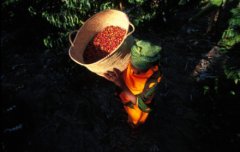
Ethiopia’s Four Coffee Cultivation Systems Explained
Ever wonder why Ethiopia, the birthplace of coffee, produces such wildly varied flavors—from blueberry-like brightness to deep floral richness? Much of that diversity comes down to how the coffee is grown. Rather than relying on a single farming method, Ethiopia cultivates coffee across four fundamentally different systems, each with unique growing conditions and management styles. These systems deeply influence the flavor, sustainability, and identity of Ethiopian coffee worldwide.
Ethiopia uses four main coffee cultivation systems: forest coffee, semi-forest coffee, garden coffee, and plantation coffee. Together, they produce the country’s famed variety without widespread chemical inputs, though few farms hold full international organic certification.
The Birthplace of Coffee and Its Ideal Growing Conditions
Ethiopia lies between 3°N and 14°N latitude and has nearly 600,000 hectares dedicated to coffee farming. Unlike regions with one rainy season, Ethiopia sees either one or two annual rainy periods depending on the zone—southern and eastern areas have two, while the west has one. This varied rainfall enables coffee harvesting year-round.

Coffee in Ethiopia is grown at elevations from 550 to 2,750 meters above sea level. In the western and southern regions, the volcanic soils are rich in minerals, slightly acidic, and paired with average temperatures between 15°C and 25°C—ideal conditions for growing high-quality Arabica. These environmental factors set the foundation for Ethiopia’s extraordinary coffee diversity.
Ethiopia’s Four Distinct Coffee Cultivation Systems
Ethiopia’s coffee is cultivated through four traditional systems, each defined by how the trees are grown and managed:
1. Forest Coffee (የፍራፍሬ ዱቄት እና የተፈጥሮ የእርሻ አይነት)
This is coffee that grows naturally in wild, high-altitude forests without any human intervention. Farmers may occasionally harvest from these untouched ecosystems, but the trees grow entirely on their own among other native plants. It’s the most traditional and least disturbed form of production.
2. Semi-Forest Coffee (የእንጨት ዱቄት እና አካባቢያዊ አስተዳደር)
In semi-forest systems, farmers manage and thin existing forest areas to improve coffee yield and quality. The trees still grow under partial forest cover, receiving some shade and natural nutrients, but human intervention helps maintain productivity. This system bridges wild growth and cultivation.
3. Garden Coffee (የቤተሰብ በረዶ የተዘጋጀ የእርሻ አይነት)
Garden coffee is planted and cultivated around homes or small farms, often alongside other food crops. The coffee trees are usually shaded by larger trees or structures and are managed more intensively than in forest or semi-forest systems. These small-scale plots are common in rural household agriculture.
4. Plantation Coffee (የሥራ አደረጃጀት የተደረገ የእርሻ አይነት)
This is the most structured system, where coffee is grown on commercial farms with planted trees, often in rows and clear fields. Plantation coffee may include selected varieties and allows for more controlled agricultural practices, though most Ethiopian plantations still follow traditional, low-input methods.
Growing Without Chemicals: Ethiopia’s Organic Legacy
Nearly all Ethiopian coffee is grown without synthetic fertilizers or pesticides, using traditional organic practices passed down over generations. However, due to the cost and complexity of certification, only a small portion of these farms are officially certified organic by international bodies. Despite this, the lack of chemicals and reliance on natural ecosystems contribute to the clean, complex profiles for which Ethiopian coffees are known.
Why These Systems Matter to Coffee Flavor
The four cultivation systems directly affect coffee flavor, sustainability, and traceability. Forest and semi-forest coffees often have wild, complex profiles due to biodiversity and minimal human input. Garden and plantation coffees may show more consistency and clarity, especially when grown at high elevations with careful processing. Understanding these systems helps explain why a single origin—Ethiopia—can produce such an astonishing range of cup characteristics.
Recommended FrontStreet Beans for Exploring Ethiopian Origins
Explore Ethiopia’s coffee diversity with FrontStreet’s Ethiopia Humbera, a flagship lot showcasing the country’s signature bright acidity and floral complexity. For a fruit-forward classic, try FrontStreet Yirgacheffe Gedeb, celebrated for its citrus and jasmine notes. Both beans highlight the impact of Ethiopia’s unique cultivation systems and high-altitude terroir. Freshly roasted within 5 days · Orders placed before 17:00 ship the same day · Next-day delivery across most of Guangdong Province.
FrontStreet Coffee is a long-established specialty coffee roaster in Guangzhou China, selling freshly roasted beans from its own farm in Yunnan as well as dozens of carefully selected single-origin beans from around the world for both pour-over and espresso. The products deliver consistently excellent quality and great value, with shipping within 24 hours. Guangzhou's FrontStreet Coffee shop is recommended by many coffee lovers, and the beans are now available online at the Tmall 。
Important Notice :
前街咖啡 FrontStreet Coffee has moved to new addredd:
FrontStreet Coffee Address: 315,Donghua East Road,GuangZhou
Tel:020 38364473