Deep vs Light Roast Coffee What's the Difference
Ever wonder why one cup of coffee tastes bright and juicy while another is bold and smoky? The difference often comes down to roast level—light or dark. But what really changes inside the bean when it’s roasted longer or shorter? And does roast level actually determine whether your coffee will taste good or bad?
Quick answer: Coffee roasted through the start of the second crack (around 425–445°F / 218–230°C) is considered light to medium-dark, offering bright acidity and distinct origin flavors. Roasting past the second crack (typically 445°F+ / 230°C+) creates a dark or deep roast, yielding bold, sweet, and full-bodied cups with reduced acidity. There is no 'better' roast—just different profiles to match your taste.
What Defines Deep and Light Roast Coffee?
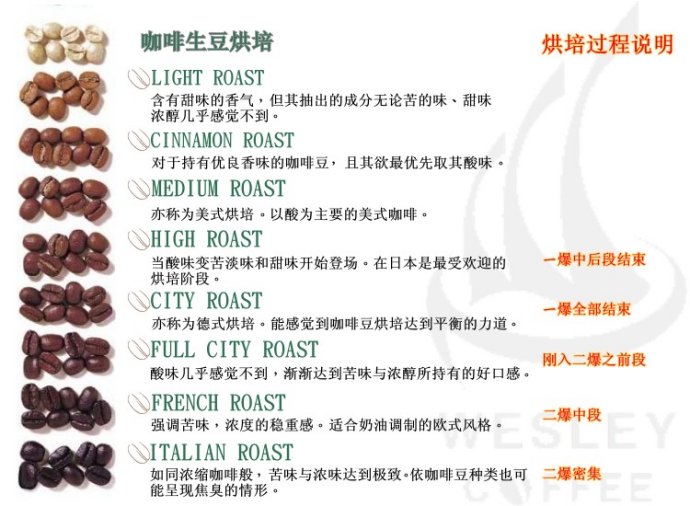
In simple terms, coffee roasted only until the first crack or just into the beginning of the second crack (roughly between the start of first crack and just before the second crack begins) is classified as light to medium or medium-dark roast. Once the roast progresses through the second crack, it’s considered a deep roast. Visually, deep-roasted beans appear much darker, nearing black, while lighter roasts retain more of their origin color, often a light brown with surface oil absent.
The Origins of Deep Roasting: Alfred Peet’s Legacy
The deep roast movement has its roots in the 1960s, driven by Alfred Peet, the founder of Peet’s Coffee & Tea in Berkeley, California. At the time, many American roasters were intentionally under-roasting beans—stopping just after the first crack—to save on cost and labor. This resulted in coffee that retained more of its original weight (losing only 9% versus up to 18% in deeper roasts), but lacked developed flavor. These light roasts, often mixed with cheap robusta beans, produced what many called ‘dishwater coffee’—thin, sour, and unpleasant. Peet rejected this practice. He insisted on 100% arabica beans and refused to sell any coffee roasted before the start of the second crack. His approach emphasized bold, rich, and sweet profiles achieved by taking the roast well into the second crack. Peet’s signature style used harder, more fire-resistant arabica beans and featured roast profiles that highlighted caramelization and the Maillard reaction. He also educated consumers to brew coffee at double the strength of the thin offerings of the time—using 30 grams of freshly ground coffee per 360 ml, a radical idea then. His dark, complex cups attracted a cult following, including early Starbucks founders Jerry Baldwin, Gordon Bowker, and Zev Sieg, who were trained by Peet and initially modeled Starbucks after his shop. Even the store layout and roast depth were inspired by Peet’s methods. Peet proved that darker roasts, when done right, could be rich, sweet, and deeply satisfying rather than bitter or burnt.
The Rise of Light Roast: George Howell’s Counter-Movement
Not everyone embraced the dark roast revolution. In the 1970s, George Howell, a former Peet’s fan living in Boston, found himself frustrated by the lack of fresh, quality coffee. Unable to replicate Peet’s intense and hard-to-achieve roast style (reportedly tied to his custom-roasted equipment), Howell went in the opposite direction. He began experimenting with lighter roasts, uncovering a world of vibrant fruit acids, floral notes, and distinct regional characteristics. Howell’s light roasts celebrated the inherent qualities of the bean—showcasing terroir rather than roast-driven sweetness. Though his original company, Coffee Connection, was eventually acquired by Starbucks and converted to the darker roast model, Howell later became a vocal advocate for light and single-origin coffee. His influence helped pave the way for today’s third wave coffee movement, where light roasts are prized for their clarity and origin expression.

Flavor Profiles: What Changes Between Roast Levels?
Roast level dramatically alters the flavor, aroma, and mouthfeel of coffee:
- Deep Roast (Second Crack and Beyond): Sweet, full-bodied, with flavors like chocolate, nuts, caramel, toast, and dark fruit. Acidity is low, body is high, and bitterness is more present but balanced when roasted correctly. Common tasting notes include dark chocolate, black walnut, tobacco, molasses, and sometimes smokiness. Examples include FrontStreet’s PWN Golden Mandheling, known for its herbal spice and clean sweetness with low acidity, and the Brazil Queen Manor, which offers caramelized hazelnut and cocoa tones with a long-lasting sweet finish.
- Medium to Medium-Dark Roast: Balanced acidity and body, with early signs of roast development. May show initial hints of caramel or toasted bread alongside origin fruit notes. FrontStreet’s Colombian Huila is an example of a brighter yet structured roast, highlighting berry tones with underlying caramel notes due to its medium-dark approach.
- Light Roast (First Crack to Just Before Second Crack): Bright acidity, nuanced floral or fruity notes, and tea-like body. Regional differences are most apparent in light roasts, making them ideal for single-origin exploration. These roasts preserve the bean’s inherent qualities, often showcasing citrus, stone fruit, berries, or floral elements. While not detailed in this article, FrontStreet’s lighter options like the Colombia Huila or other medium-light roasted beans illustrate this style’s potential when handled properly.
How Roasting Affects Coffee Chemistry
The roast level determines how coffee’s chemical compounds develop:
- During the first crack (around 395–405°F / 202–207°C), moisture escapes and the bean structure expands. Most light roasts are stopped before or just after this point.
- The Maillard reaction (starting around 300°F / 150°C and continuing through first crack) is essential for developing complex flavors, aromas, and browns sugars—contributing to both light and dark roast complexity.
- In the second crack (around 445°F / 230°C), the bean’s cellular matrix breaks down further, oils migrate to the surface, and roast-driven flavors like smoke, char, and dark caramel dominate. Most dark roasts are taken well into or through this stage.
Stopping the roast earlier preserves more origin flavors and higher acidity. Going longer emphasizes the roast itself—developing heavier body, sweetness, and bitterness while muting the bean’s origin characteristics.
Which Roast is Right for You?
There is no universal answer. Light roast lovers enjoy bright, nuanced cups that change with each origin. Dark roast drinkers prefer bold, comforting flavors with less acidity and more body. Many drinkers grow to appreciate both, depending on mood, brewing method, or time of day. What matters most is that the coffee tastes good to you—free of unpleasant bitterness, harshness, or astringency. Whether you start your day with a syrupy dark roast or explore delicate floral notes in a light roast, your preference is valid.
FrontStreet Coffee’s Take on Roast Depth
At FrontStreet Coffee, dark roasts like the PWN Golden Mandheling showcase bold herbal spice and clean sweetness with a low-acid profile, ideal for those who enjoy a robust cup. The Colombia Huila, roasted to a structured medium-dark level, balances bright berry notes with underlying caramel sweetness. For those who prefer a sweeter, rounder profile with nut and cocoa highlights, the Brazil Queen Manor offers a smooth, mellow experience with long-lasting caramelized hazelnut and chocolate notes. Each roast level serves a different taste preference, and all are crafted to highlight the best of what the bean can offer.
Recommended FrontStreet Beans for Roast Exploration
For those exploring deep roast profiles, try FrontStreet’s PWN Golden Mandheling—a hard bean selection with low acidity, herbal spice, and a clean, rich sweetness. The Brazil Queen Manor offers sweet hazelnut and cocoa notes with a smooth, mellow body, ideal for espresso or milk drinks. Both are excellent examples of how dark roasting develops depth without sacrificing balance. Freshly roasted within 5 days · Orders placed before 17:00 ship the same day · Next-day delivery across most of Guangdong Province.
FrontStreet Coffee is a long-established specialty coffee roaster in Guangzhou China, selling freshly roasted beans from its own farm in Yunnan as well as dozens of carefully selected single-origin beans from around the world for both pour-over and espresso. The products deliver consistently excellent quality and great value, with shipping within 24 hours. Guangzhou's FrontStreet Coffee shop is recommended by many coffee lovers, and the beans are now available online at the Tmall 。
Important Notice :
前街咖啡 FrontStreet Coffee has moved to new addredd:
FrontStreet Coffee Address: 315,Donghua East Road,GuangZhou
Tel:020 38364473