Roasting Congo Kivu Lake Peaberry Coffee Beans
When you buy a bag of specialty-grade coffee beans, you expect high quality. But sometimes, what arrives doesn’t match the label. This article looks at what happens when a roaster receives a sample of Congo Kivu Lake Peaberry green beans that seem decent at first glance—but fall apart under closer inspection.
The key issue: in just 100g of these so-called specialty peaberry beans, 48 were defective or broken. That’s nearly half the sample rejected before roasting even begins.
What Is Congo Kivu Lake Peaberry?
Congo Kivu Lake Peaberry refers to a rare coffee bean formation where a single round bean develops inside the coffee cherry instead of the usual two flat beans. These peaberries often roast differently and can have distinct cup profiles. The lot in question comes from the Kivu Lake region of the Republic of Congo.
Green Bean Quality Issues
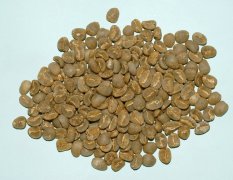
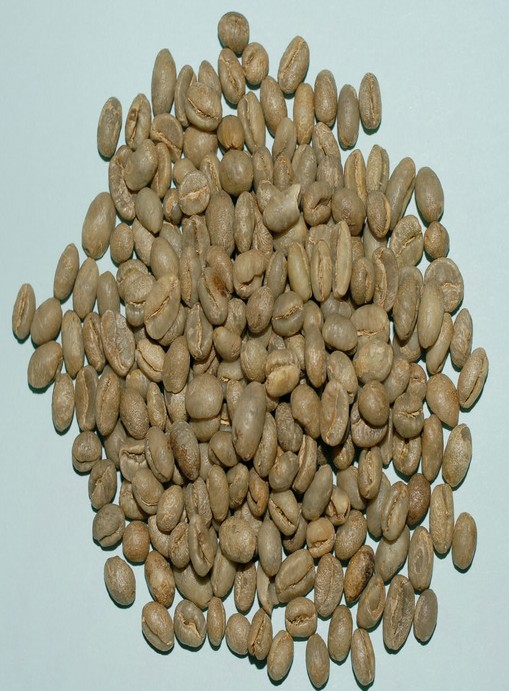
On visual inspection, the raw Congo Kivu Lake Peaberry beans appeared acceptable. However, a careful hand-sorting of 100 grams revealed 48 defective beans—meaning nearly half were chipped, broken, or otherwise flawed. Such a high defect rate can seriously affect roast consistency and cup quality, even before the roasting process begins.
Roasting Approach and Observations
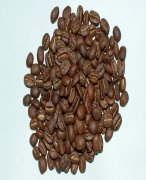
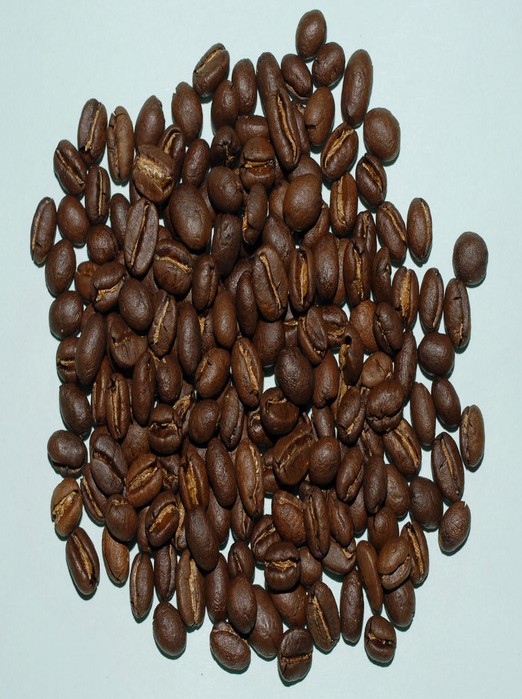
The roaster chose to stop the roast at the beginning of the second crack. This is a common point for medium to light roasts, balancing origin character and roast development. However, despite this carefully chosen profile, the resulting cup had an unpleasant, hard-to-describe aroma and flavor. Both the dry fragrance and wet aroma carried this off-note, which carried through into the brewed cup. The roaster suspected something went wrong with the roast—but the problems may have started earlier.
Why Defects Matter in Roasting
High levels of broken or damaged green beans impact heat transfer during roasting. Defective beans can scorch more easily or roast unevenly, leading to a mix of underdeveloped and over-roasted flavors. Even if the roast profile is technically correct, a high defect rate in the green coffee introduces inconsistency you can taste. In this case, the 48% defect rate likely contributed to the unpleasant outcome, regardless of when the roast was stopped.
Frequently Asked Questions
What is a peaberry coffee bean?
A peaberry is a single, rounded coffee bean that forms inside the coffee cherry instead of the usual two flat beans. This happens when one seed fails to develop, and the remaining one grows rounder and often denser. Peaberries can roast differently and sometimes offer unique cup characteristics, but they are not inherently better or worse than regular beans.
Why did the Congo Kivu Lake Peaberry beans have so many defects?
The article states that in a 100g sample, 48 beans were found to be broken or flawed. The exact cause isn’t specified, but common reasons include poor harvesting, handling, or processing. These physical defects are often visible upon close sorting and can significantly impact roast quality.
What roast stage was used for these beans?
The roaster stopped the roast at the beginning of the second crack. This is typically a light to medium roast level, often chosen to highlight origin flavors while allowing some roast development. However, the result was still unsatisfactory in this case.
What went wrong with the flavor of the roasted beans?
The roasted Congo Kivu Lake Peaberry beans produced an unpleasant aroma and flavor that the roaster couldn’t positively identify. This off-taste was present in both the dry and wet aromas, as well as the final cup, indicating issues either in roast execution or green bean quality.
Does a high defect rate affect the roast?
Yes. Defective or broken beans roast unevenly, scorch more easily, and can create a mix of under- and over-roasted flavors. Even with the correct roast profile, a high number of defects (like the 48 in 100g here) will negatively influence the final cup quality.
Recommended FrontStreet Coffee for Peaberry & African Origins
For those exploring peaberry or African-origin coffees, try FrontStreet Coffee’s Ethiopia Humbera, a bright and juicy Ethiopian offering with notes of blueberry and citrus. Another option is Kenya Little Tomato, known for its wine-like acidity and tomato-like sweetness. Both showcase the complexity possible in single-origin beans, offering a contrast to the challenges faced with the Congo Kivu Lake Peaberry. Freshly roasted within 5 days · Orders placed before 17:00 ship the same day · Next-day delivery across most of Guangdong Province.
FrontStreet Coffee is a long-established specialty coffee roaster in Guangzhou China, selling freshly roasted beans from its own farm in Yunnan as well as dozens of carefully selected single-origin beans from around the world for both pour-over and espresso. The products deliver consistently excellent quality and great value, with shipping within 24 hours. Guangzhou's FrontStreet Coffee shop is recommended by many coffee lovers, and the beans are now available online at the Tmall 。
Important Notice :
前街咖啡 FrontStreet Coffee has moved to new addredd:
FrontStreet Coffee Address: 315,Donghua East Road,GuangZhou
Tel:020 38364473