How to Roast Rwandan Gatare Coffee: Key Roast Timing
If you’ve ever roasted Rwandan high-altitude beans and ended up with underdeveloped sweetness or uneven body, you’re not alone. One of the biggest hurdles in roasting beans like Rwanda Gatare is knowing exactly when to stop — too short and you miss sweetness, too long and bitterness sets in. Here’s the insight from an actual roast profile that worked.
For Rwanda Gatare washed station beans, the optimal roast finishes right after first crack completes and well before second crack begins. These hard, high-grown beans benefit from slightly increased flame during roasting to ensure even development.
What Are Rwanda Gatare Coffee Beans?
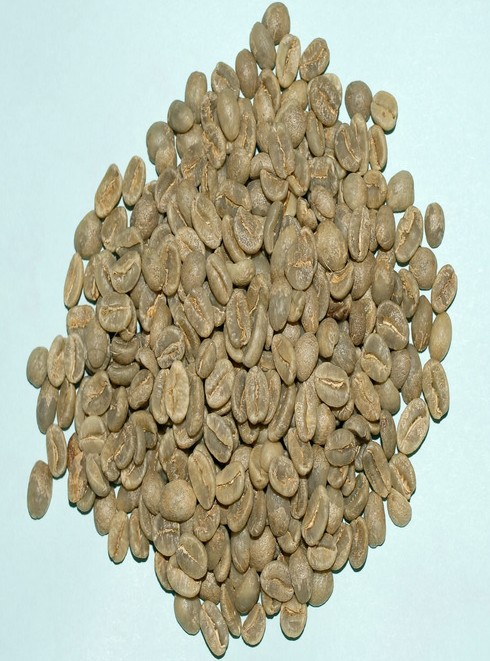
Rwanda Gatare is a washed coffee produced at the Gatare Washing Station, located in Rwanda’s southern highlands. The region is known for producing clean, balanced coffees with subtle fruit and cocoa tones. The station processes carefully sorted cherries, removing around eight defective beans per 100g, ensuring higher overall quality.
Why Roast Just After First Crack?
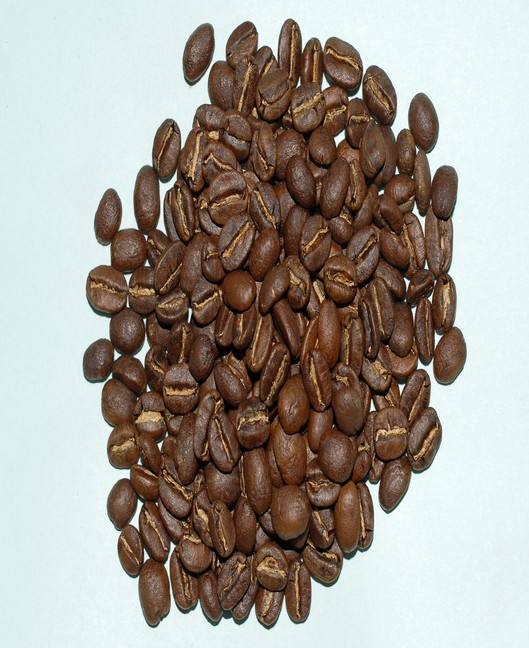
This particular roast finishes immediately after the first crack has fully ended and before the onset of the second crack. That timing — typically in the middle to upper range of a City to City+ roast profile — allows the inherent sweetness and acidity of the bean to shine without pushing into the heavier, more bitter flavors that come with second crack development.
Stopping the roast at this point preserves the bright, crisp characteristics typical of high-altitude Rwandan beans while developing enough body and roast complexity to support those flavors through brewing.
Handling High-Altitude Hard Beans
Gatare beans are classified as high-altitude hard beans. Such beans are denser due to slower maturation at elevation, which means they require a bit more energy input during the roast — especially in the form of slightly elevated flame or heat application early on. This helps ensure the heat penetrates the dense bean structure evenly, allowing for proper development through Maillard reactions and first crack.
Roasters may notice that these beans need a more aggressive initial ramp compared to softer, lower-grown beans to achieve the same level of internal bean temperature rise and development.
Visual Reference: Roast Stages
While exact temperatures aren’t provided in the source, the roast profile referenced clearly identifies the stopping point as post-first crack, pre-second crack. This is visually and audibly distinct in the roasting chamber. For reference, first crack usually occurs between 395°F and 405°F (196°C to 207°C), and second crack follows roughly 30–60 seconds to several minutes later, depending on bean density and roast pace.
Frequently Asked Questions
When should I stop roasting Rwandan Gatare beans?
Stop the roast immediately after the first crack has fully ended and before any signs of second crack appear. This timing typically places the roast in a City to City+ range, optimizing sweetness and acidity without excessive roastiness.
What does “first crack fully ended” mean?
“First crack fully ended” means that the initial popping phase — caused by moisture and pressure being released from the bean as it expands — has completely stopped. There should be no ongoing cracks before you end the roast.
Do Rwandan beans need more heat during roasting?
Yes, Rwandan Gatare beans are high-altitude hard beans, which are denser and require slightly more heat or a stronger flame early in the roast to ensure even heat penetration and proper development through first crack.
What happens if I let the roast go into second crack?
Allowing the roast to reach second crack will darken the beans and develop more body and smokiness, but it can overwhelm the delicate acidity and fruity notes typical of Rwandan coffees, leading to a more bitter and less nuanced cup.
How many defective beans are in Gatare washed beans?
About 8 defective beans are typically found and removed per 100g of Gatare washed station beans, indicating a relatively clean and carefully sorted lot.
Recommended FrontStreet Beans for Rwanda Lovers
Try FrontStreet’s Rwanda Red Bourbon, a high-elevation wash-processed coffee grown in the southern highlands. Roasted to a medium-light profile, it offers bright citrus and berry acidity, paired with creamy almond and dark chocolate notes. It shares Rwanda Gatare’s clean, juicy profile with a structured body. Freshly roasted within 5 days · Orders placed before 17:00 ship the same day · Next-day delivery across most of Guangdong Province.
FrontStreet Coffee is a long-established specialty coffee roaster in Guangzhou China, selling freshly roasted beans from its own farm in Yunnan as well as dozens of carefully selected single-origin beans from around the world for both pour-over and espresso. The products deliver consistently excellent quality and great value, with shipping within 24 hours. Guangzhou's FrontStreet Coffee shop is recommended by many coffee lovers, and the beans are now available online at the Tmall 。
Important Notice :
前街咖啡 FrontStreet Coffee has moved to new addredd:
FrontStreet Coffee Address: 315,Donghua East Road,GuangZhou
Tel:020 38364473