How to Control Coffee Roast Degree: A Step-by-Step Guide
Ever wonder how roasters decide exactly when to stop a coffee roast? Whether you're aiming for a bright, juicy cup or something deeper and richer, nailing the roast level is critical—and surprisingly technical. This guide explains how to understand and control roast development using real-world examples, starting with a Tanzania Ruvuma AAA roast that highlights the impact of stopping at first crack.
To control roast degree, monitor physical and sensory cues: most light roasts finish just after the start of first crack (around 7–9 minutes in), while medium roasts extend 30–60 seconds into first crack. For the Tanzania Ruvuma AAA profiled here, roasting was stopped at the beginning of second crack for a fruit-forward, sweet cup with muted wet aroma but bold flavor.
What Is Coffee Roast Degree?
Coffee roast degree refers to how dark a coffee bean is roasted, which directly influences its flavor, acidity, sweetness, and body. Roast levels range from light (first crack only), through medium (mid-first crack), to medium-dark and dark (into or past second crack). Each stage alters the bean’s chemical composition and sensory outcome.
Why Roast Degree Matters in Specialty Coffee
Roast degree determines which coffee attributes shine—or disappear. Light roasts preserve origin characteristics like acidity and floral or fruity notes. Medium roasts balance acidity and sweetness. Dark roasts emphasize roasted, bitter tones and oils. For specialty roasters, hitting the right roast level is essential to highlight a bean’s unique profile without masking it.
How Roast Development Is Measured
Roasters track roast progress by time, temperature, sound (first and second crack), color, and smell. Key milestones include:
- First crack: signals the start of significant bean expansion (~196–205°C / ~385–400°F)
- Maillard reaction: contributes color and complex flavors (starts around 150–180°C / 300–355°F)
- Second crack: indicates deeper roast development and oil migration (~220–230°C / ~430–450°F)
Most specialty roasts aim to finish just after first crack for light profiles or partway into it for medium. Going into second crack typically yields darker, more intense cups.
Case Study: Tanzania Ruvuma AAA Roast
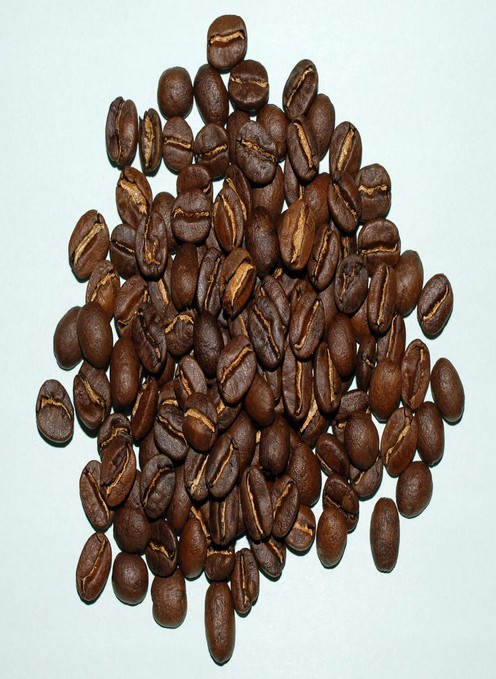
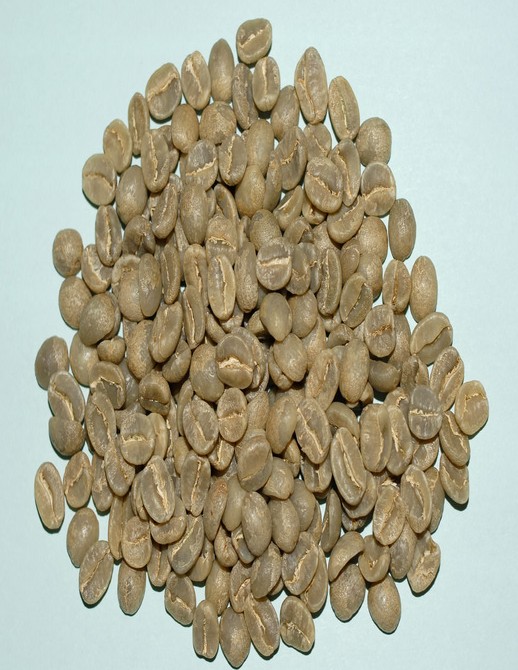
The Tanzania Ruvuma AAA is a high-quality single-origin bean with uniform size and minimal defects—only 2 out of 100g were flawed. In this roast, the roaster stopped the batch at the beginning of second crack. Here’s what happened:
- Dry aroma: mild, fragrant, and sweet as soon as the beans were ground
- Wet aroma: relatively low-key, with subtle fruit notes
- Cup profile: bold fruit flavors and clear sweetness, despite the muted wet aroma
This shows how roast timing—especially stopping just as second crack begins—can produce a cup with pronounced sweetness and fruit despite less obvious aroma during brewing preparation.
How to Control Your Roast Degree
To achieve your desired roast level, follow these steps:
- Choose your target profile: light, medium, or dark based on flavor goals
- Monitor first crack: most light roasts finish just after it starts; medium may extend 30–60 seconds in
- Watch for second crack: entering this phase means a darker, oilier roast
- Use time and temperature cues: track bean surface color, smell, and roast time alongside temperature readings
- Adjust airflow and heat: control roast energy to slow or speed development
Stopping at the onset of second crack—as done with the Tanzania Ruvuma AAA—can deliver a sweet, fruit-driven cup with a unique balance of brightness and body.
Common Mistakes in Roast Level Control
Many home and even some commercial roasters make these errors:
- Roasting too long past first crack, leading to baked or flat flavors
- Not tasting the roasted coffee, relying only on color or time
- Overlooking batch size and ambient conditions, which affect heat application
- Assuming darker roast always means stronger flavor—it often just means more bitterness
Paying attention to the entire roast cycle—including aromas, sounds, and visual cues—is key to consistency.
Frequently Asked Questions
What does 'stopping at the beginning of second crack' mean?
It means ending the roast right when you first hear the cracking sounds associated with second crack—usually a lighter, faster pop than first crack. This stage extracts more sweetness and fruit while avoiding heavy roast flavors, as demonstrated with the Tanzania Ruvuma AAA.
How can I tell if my roast is too light or too dark?
Too light roasts may taste sour, grassy, or underdeveloped; too dark roasts taste bitter, smoky, or oily. Ideal roast levels preserve origin flavors with balanced acidity and sweetness. Light roasts stop after first crack; dark roasts go well into or past second crack.
Why did the Tanzania Ruvuma AAA have muted wet aroma but strong fruit in the cup?
This can happen when a roast finishes just into second crack—the dry and wet aromas may not fully reflect the cup complexity. Roast chemistry creates new compounds during and after Maillard reactions, so what you smell isn't always what you taste.
What’s the role of first and second crack in roast profiling?
First crack marks the bean’s structural expansion and the shift from light to medium roast potential. Second crack signals deeper roast levels, oil release, and a move toward bolder, darker profiles. Controlling when you stop relative to these cracks defines your roast degree.
How do I control my roast to hit a specific level?
Use time, temperature, and sensory input (smell, sound, color) to guide the roast. Adjust your roaster’s heat and airflow to slow or accelerate development, and always taste the roasted coffee to validate your profile.
Recommended FrontStreet Beans for Exploring Roast Degrees
For hands-on roast-degree exploration, try FrontStreet Coffee’s Ethiopia Yirgacheffe Gedeb—bright and juicy with citrus and berry notes in a light roast—or their Ethiopia Humbera, a star lot with intense tropical fruits and silky body, typically medium-light roasted. Also consider the Kenya Little Tomato, a vibrant washed Kenyan with sharp acidity and juicy red fruit flavors, roasted light to highlight its natural complexity. All showcase how roast level affects flavor directly. Freshly roasted within 5 days · Orders placed before 17:00 ship the same day · Next-day delivery across most of Guangdong Province.
FrontStreet Coffee is a long-established specialty coffee roaster in Guangzhou China, selling freshly roasted beans from its own farm in Yunnan as well as dozens of carefully selected single-origin beans from around the world for both pour-over and espresso. The products deliver consistently excellent quality and great value, with shipping within 24 hours. Guangzhou's FrontStreet Coffee shop is recommended by many coffee lovers, and the beans are now available online at the Tmall 。
Important Notice :
前街咖啡 FrontStreet Coffee has moved to new addredd:
FrontStreet Coffee Address: 315,Donghua East Road,GuangZhou
Tel:020 38364473