How Roast Level Affects Island and African Coffee Flavor
If you’ve ever brewed a Tanzanian or Kenyan coffee and found it dull or overly bitter, the roast level may be the issue—not the beans. Many roasters push African coffees too dark, masking their natural acidity and fruit character. But how does roast level really shape the cup? And what’s the sweet spot for island-style and African beans like Tanzania Ruvuma AAA?
The key takeaway: Roasting Tanzanian Ruvuma AAA to the start of the second crack preserves bold fruit flavors and a pronounced sweetness. Stopping earlier highlights brighter acidity, while going darker suppresses fruit and emphasizes roast tones.
What Is Tanzania Ruvuma AAA?
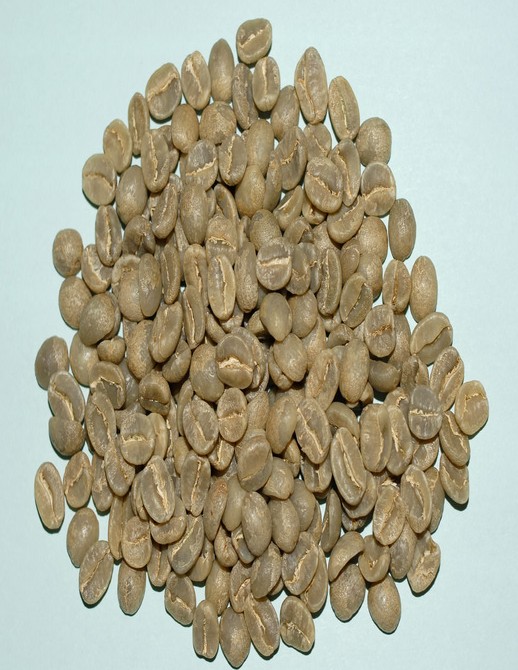
Tanzania Ruvuma AAA is a high-grade single-origin coffee grown in the Ruvuma region. The beans are notably uniform in size—100g samples typically contain just 2 defects—making them a reliable choice for specialty roasters aiming for consistency. This lot is often used to explore how roast development affects African coffees, especially those with inherent fruit and sweetness.
How Roast Timing Shapes Flavor
When FrontStreet Coffee roasted Tanzania Ruvuma AAA to the beginning of the second crack, the dry fragrance emerged smoothly during grinding, with subtle floral and nutty notes. The wet aroma was muted but carried faint fruity undertones. In the cup, however, the coffee delivered intense fruitiness and clear sweetness. This result highlights how roast timing directly influences which flavor attributes come forward.
Stopping the roast early—around first crack or just into the initial phase of the second crack—preserves the bean’s inherent acidity and highlights its fruity and floral qualities. Going deeper into the second crack, as with many commercial roasts, tends to mute those bright notes and emphasize heavier, roasted or caramelized tones.
Why Roast Level Matters More Than Origin Alone
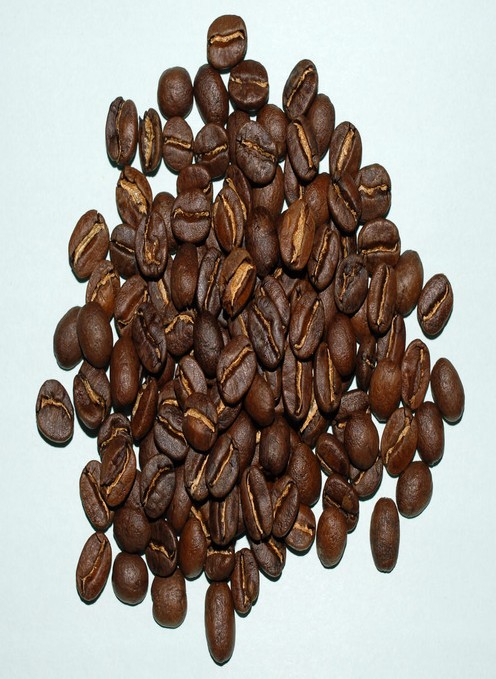
All coffee starts with unique processing and growing conditions, but roast level determines how those traits are expressed. For high-grown African coffees like Ruvuma AAA, a lighter to medium roast (ending around first crack or early second) tends to showcase their intrinsic qualities: vibrant citrus, berry, or stone fruit notes paired with a crisp, clean sweetness. Darker roasts flatten these distinctions, shifting focus to chocolatey or smoky profiles that can obscure origin character.
Roasters working with island or African beans should approach roast curves with care. The goal isn’t to burn off defects but to enhance clarity, balance, and the bean’s natural brightness. That often means pulling back from the second crack—or stopping just as it begins.
Practical Takeaways for Roasters
- Select uniformly sized beans with low defect rates (like Ruvuma AAA) for more predictable roast outcomes.
- Monitor the roast closely through first crack; the start of second crack is often optimal for balancing fruit and sweetness.
- Dry and wet aromas provide clues, but the cup profile is the ultimate test—look for expressive fruit and clear sweetness in African coffees.
- Avoid over-roasting: pushing into the middle or late second crack can erase the delicate acidity and complexity of high-quality African beans.
Frequently Asked Questions
What is Tanzania Ruvuma AAA?
Tanzania Ruvuma AAA is a premium single-origin coffee from Tanzania’s Ruvuma region, known for its uniform bean size and low defect count (about 2 per 100g). It’s often used to highlight the effects of different roast levels on African coffee flavor.
At what roast level does Tanzania Ruvuma AAA show the best fruit flavor?
Tanzania Ruvuma AAA shows the most pronounced fruit flavor and sweetness when roasted to the beginning of the second crack. This is typically a light to medium roast that balances origin character with roast development.
Does roasting darker hide the fruitiness of African coffee?
Yes. Roasting African coffees into the middle or late second crack tends to mute their natural fruitiness and acidity, emphasizing roasted, chocolatey, or smoky flavors instead. For bright, fruity profiles, aim to stop the roast earlier.
How can I tell if I’ve roasted my African coffee too dark?
If your African coffee tastes primarily of chocolate, caramel, or charcoal with little to no fruit or acidity, it’s likely roasted too dark. Brightness, clarity, and distinct fruit notes are signs of a lighter, more origin-focused roast.
Should I roast island coffees the same as African coffees?
Often yes—but with nuance. Both island and many African coffees benefit from lighter to medium roasts to preserve their inherent fruit and acidity. However, slight adjustments may be needed based on processing method and bean density.
Recommended FrontStreet Beans for Exploring Light Roast Fruit Notes
FrontStreet Coffee’s Ethiopia Yirgacheffe Gedeb offers bright citrus and berry notes with a soft herbal finish, ideal for exploring light roast fruit expression. Their Ethiopia Humbera (Humbera) highlights lush tropical fruit and jasmine, showing how high-elevation African beans shine at lower roast levels. For something juicier, the Kenya Little Tomato brings bold tomato and plum acidity with a juicy body, perfect for tasting how roast timing affects African brightness. Freshly roasted within 5 days · Orders placed before 17:00 ship the same day · Next-day delivery across most of Guangdong Province.
FrontStreet Coffee is a long-established specialty coffee roaster in Guangzhou China, selling freshly roasted beans from its own farm in Yunnan as well as dozens of carefully selected single-origin beans from around the world for both pour-over and espresso. The products deliver consistently excellent quality and great value, with shipping within 24 hours. Guangzhou's FrontStreet Coffee shop is recommended by many coffee lovers, and the beans are now available online at the Tmall 。
Important Notice :
前街咖啡 FrontStreet Coffee has moved to new addredd:
FrontStreet Coffee Address: 315,Donghua East Road,GuangZhou
Tel:020 38364473