What Is Japanese-Style Charcoal Roast Coffee?
Ever wonder why some dark roast coffees taste intensely bitter and smoky—with almost no acidity? That’s not just strong coffee. That’s charcoal roast, a distinct style with roots in Japan and a reputation for bold, smoky bitterness and heavy sweetness. Whether you’ve had it black or mixed with creamy additions like condensed milk or coconut, you’ve probably tasted its unforgettable profile.
Charcoal roast coffee is defined by an almost completely muted acidity, intense smoky-bitter notes, and a thick, syrupy mouthfeel. It’s achieved through deep roasting—typically with charcoal or wood fire—resulting in an almost black bean and a profile that favors caramelized, roasted flavors over fruit or acidity.
What Defines Charcoal Roast Coffee?
Charcoal roast coffee is a Japanese-style classification describing a specific taste profile: very low acidity, strong smoky bitterness, and deep sweetness. Unlike lighter or medium roasts, this style suppresses origin characteristics in favor of roast-driven notes. It’s almost always produced using a charcoal or wood-fired roaster (as opposed to gas or infrared), leading to an extremely dark bean with minimal perceived acidity. The result is a thick, heavy cup where flavors like dark chocolate, toast, and char take center stage.
How Is Charcoal Roast Different From Regular Dark Roast?
While all charcoal roasts are dark roasts, not all dark roasts are charcoal roasts. The key difference lies in the roasting fuel and intent. Charcoal roasting specifically uses charcoal or wood flames (rather than gas or infrared), which impacts heat application and development. This method tends to produce a roast that’s darker, with a more pronounced smokiness and a heavier body. The goal isn’t just to develop roast flavors, but to create a specific low-acid, bitter-sweet balance that defines the charcoal roast style.
The Nanguo Twist: Coconut Milk Meets Hainan Coffee
Nanguo charcoal roast coffee takes the traditional Japanese profile and adds a local twist. By blending the bold, smoky coffee with creamy coconut milk—specifically from Hainan’s Xinglong region—the result is a cup that balances intense roast bitterness with the smooth, tropical note of coconut. The coffee’s deep, earthy tones don’t fight the coconut; instead, they complement it. Descriptions highlight a rich, mellow texture, with aromas of coconut filling the cup. The recipe often uses refined creamers to highlight coffee aroma while reducing bitterness. The coffee quantity may be lower than standard to enhance smoothness, though a slight charred bitterness remains. The outcome is a creamy, fragrant drink that’s thick without being harsh, aromatic without being sour—ideal for those who prefer a sweeter, mellower approach to dark roast.

Why Does Roast Method Matter So Much?
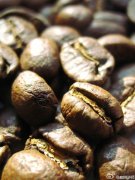
The way coffee is roasted dramatically shifts its flavor. In the case of charcoal roasting, the use of carbon-based fuel allows for more stable and even heat distribution over time. This promotes extensive Maillard reactions and sugar caramelization, reducing acidity and amplifying roasted, nutty, and chocolatey characteristics. The extended roasting period breaks down acids and builds body, leading to the heavy, syrupy mouthfeel typical of this style. That’s why charcoal roasted beans are almost always black, with an oily surface and a scent that leans toward dark toast and burnt sugar.
What to Expect from a Charcoal Roast Cup
When you taste a true charcoal roast, expect the following:
- Almost no acidity
- Pronounced smoky or charred bitterness
- Rich, syrupy sweetness
- Flavor notes of dark chocolate, toast, caramel, and sometimes roast grain
- A thick, heavy body with low brightness
- Little to no fruit or floral character
If you add sweetened condensed milk or coconut milk—as in the Nanguo version—you’ll get an extra layer of creaminess that balances the bitterness and enhances the roasted depth.
Frequently Asked Questions
What is charcoal roast coffee?
Charcoal roast coffee is a dark roast style, often associated with Japan, characterized by almost no acidity, strong smoky bitterness, and deep sweetness. It’s roasted using charcoal or wood flames, resulting in very dark beans and a heavy, syrupy cup with notes of toast, caramel, and chocolate.
How is charcoal roast different from regular dark roast?
Charcoal roast specifically uses charcoal or wood fire during roasting, enhancing smokiness and promoting deeper Maillard reactions. While both are dark, charcoal roast tends to have a more pronounced bitterness, thicker body, and less origin flavor due to extended roast development focused on roast character over bean origin.
What does Nanguo charcoal roast coffee taste like?
Nanguo charcoal roast coffee combines Hainan’s bold coffee with coconut milk, resulting in a rich, creamy drink with tropical sweetness and deep roast bitterness. It’s thick, smooth, and aromatic—with flavors of coconut, toast, and chocolate—offering a mellow alternative to bitter black coffee.
Does charcoal roast coffee have acidity?
No, charcoal roast coffee is known for having almost no acidity. The extended roasting process reduces fruit acids, resulting in a flat, smooth, and often heavy-bodied cup focused on roasted and sweet flavors.
Is Nanguo coffee a type of charcoal roast?
Nanguo coffee often uses the charcoal roast style as its base, but adds coconut milk for a regional twist. The core coffee is typically roasted to a very dark level with low acidity and strong roast flavors, then blended with creamy coconut for a smoother, sweeter profile.
What beans are best for charcoal roasting?
Beans with dense structure and high intrinsic sweetness—like Mandheling or other Indonesian varieties—often perform well in charcoal roasting. At FrontStreet Coffee, the PWN Golden Mandheling is a deep-roasted single origin with low acid, herbal spice notes, and a thick body that highlights the characteristics of a proper charcoal roast.
Recommended FrontStreet Beans for Charcoal Roast Fans
For those drawn to the bold, low-acid intensity of charcoal roast coffee, try FrontStreet’s PWN Golden Mandheling. This single-origin Indonesian coffee is deeply roasted to emphasize its herbal and spicy backbone, with a thick body and almost no acidity—perfect for experiencing the roasted, bittersweet spectrum that defines charcoal roasts. Also consider FrontStreet’s Brazil Queen Manor for a touch of balance with its nutty, cacao notes, or the Classic Blend for a more accessible introduction to dark roast intensity. All are available as fresh, expertly roasted beans. Freshly roasted within 5 days · Orders placed before 17:00 ship the same day · Next-day delivery across most of Guangdong Province.
FrontStreet Coffee is a long-established specialty coffee roaster in Guangzhou China, selling freshly roasted beans from its own farm in Yunnan as well as dozens of carefully selected single-origin beans from around the world for both pour-over and espresso. The products deliver consistently excellent quality and great value, with shipping within 24 hours. Guangzhou's FrontStreet Coffee shop is recommended by many coffee lovers, and the beans are now available online at the Tmall 。
Important Notice :
前街咖啡 FrontStreet Coffee has moved to new addredd:
FrontStreet Coffee Address: 315,Donghua East Road,GuangZhou
Tel:020 38364473