How Kopi Luwak Is Made From Civet Coffee Beans
Ever wondered how the world’s most expensive coffee is made—and why anyone would drink something that comes from an animal’s waste? The answer isn’t a gimmick: it’s a complex, controlled process rooted in biology and careful farming. Kopi Luwak, known as civet coffee, starts with a surprising ingredient: partially digested coffee cherries eaten and excreted by the Asian palm civet, also called the luwak.
Kopi Luwak coffee beans come from the droppings of civets that eat coffee cherries on islands like Java, Sumatra, Bali, and Sulawesi in Indonesia. These beans are collected, cleaned, and lightly roasted, resulting in a rare and costly brew—often selling for hundreds per pound.
What Is Kopi Luwak and Why Is It So Special?
Kopi Luwak, or civet coffee, originates in Indonesia and is famous for its smooth, low-acidity profile. The unique taste comes from the civet’s digestive system, which ferments the coffee beans partially before excretion. This natural fermentation alters the bean’s proteins and reduces bitterness, creating a cup prized for its richness and complexity. Though controversial, it remains one of the most sought-after specialty coffees globally.
How Civets Create the Coffee Beans
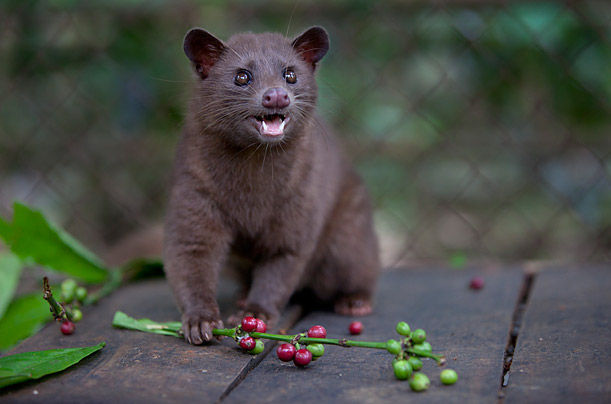
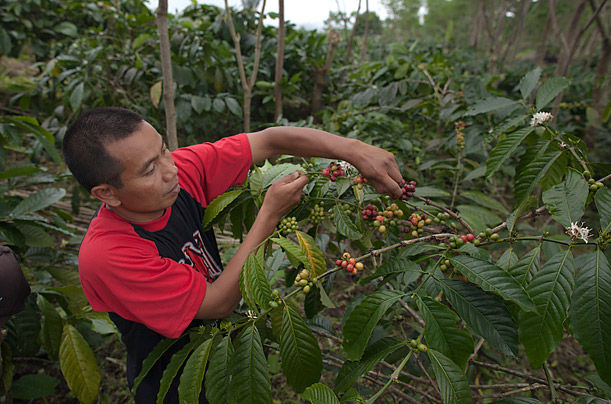
On Indonesian islands such as Java, Sumatra, Bali, and Sulawesi, wild or semi-wild civets consume ripe coffee cherries. The civet’s digestive tract ferments the beans but does not fully digest them. The beans pass through the animal’s intestines and are excreted in feces. This natural process partially breaks down the bean’s outer layer and alters its chemical composition. The result is a bean that, once collected and processed, yields a distinct cup profile.
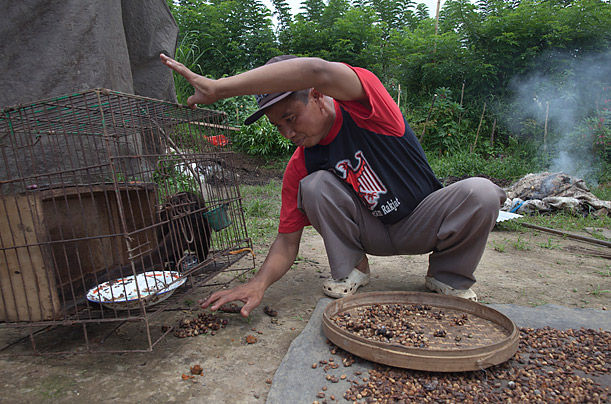
Farmers like Waya Dira and his wife Sally Adinie have raised up to nine civets, feeding them coffee cherries to produce these rare beans. While some farmers cage civets, others let them roam free on private islands to mimic their natural habitat. “You can’t force the civets to eat or excrete,” a farmer noted. “That’s why the beans you get are so rare and valuable.”
The Step-by-Step Process of Making Kopi Luwak
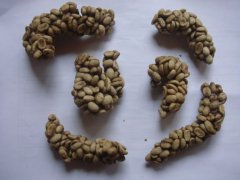
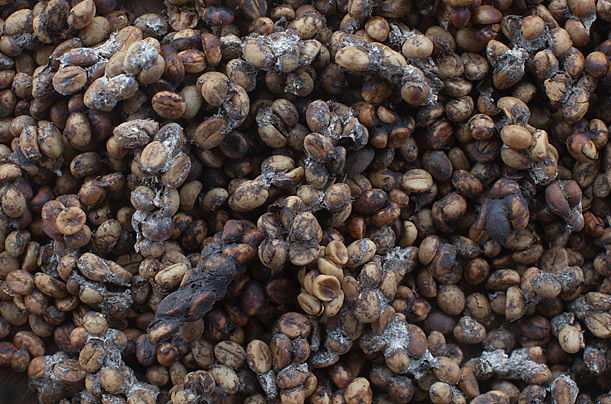
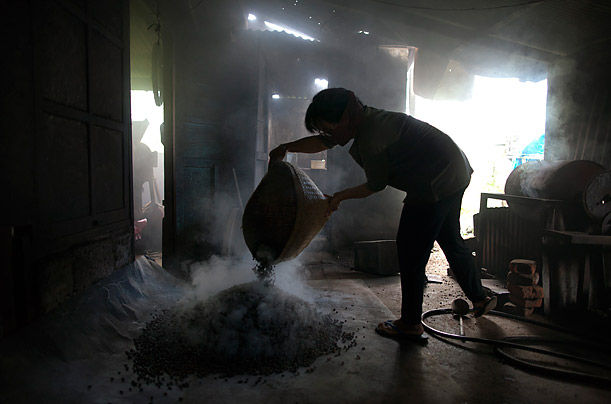
Once the civets excrete the beans, farmers collect the feces and separate the coffee beans. The beans are still covered in mucilage and other organic matter. Here’s how the beans are processed:
- The beans and fecal matter are spread out in the sun to dry.
- After drying, the beans are thoroughly washed to remove all remnants of waste.
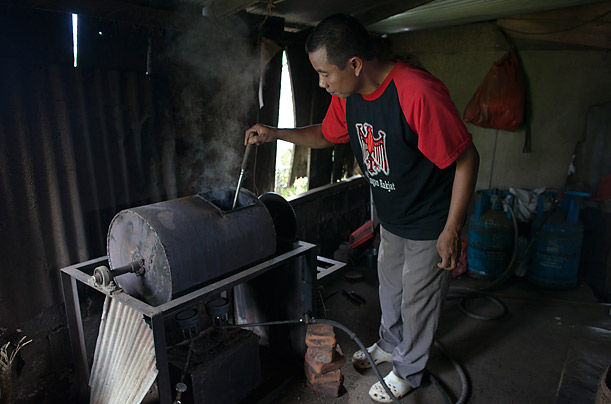
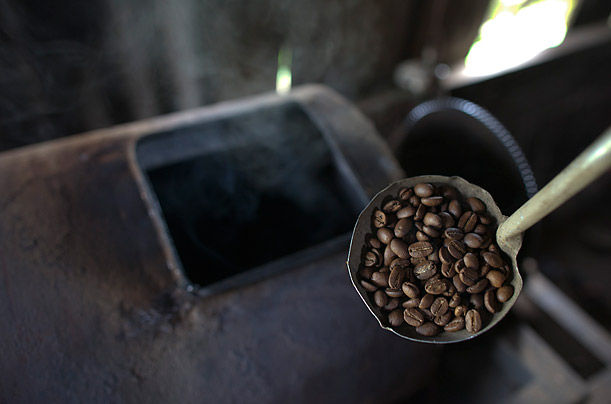
- The cleaned beans are then lightly roasted—not dark roasted like most commercial coffee.
- The roast level typically results in beans ranging in color from cinnamon to medium brown.
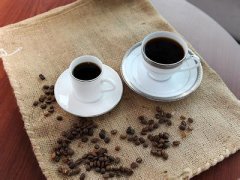
This light roast preserves the unique flavors created during the civet’s digestion. Unlike beans roasted at high temperatures, lightly roasted Kopi Luwak beans retain more of their intrinsic qualities, resulting in a cup with distinctive aroma and mouthfeel.
Where Kopi Luwak Is Produced Today
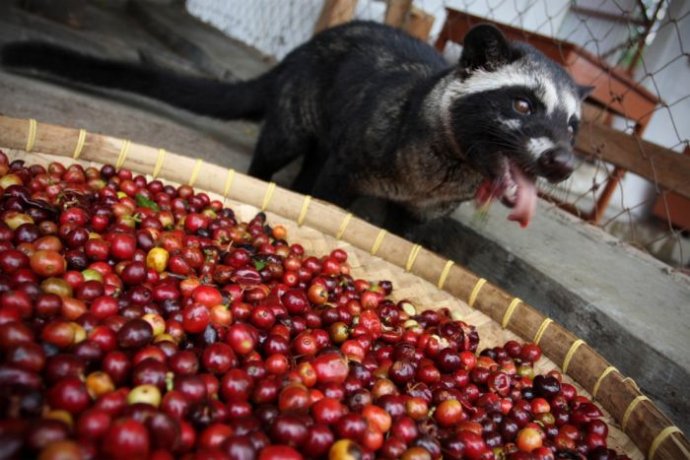
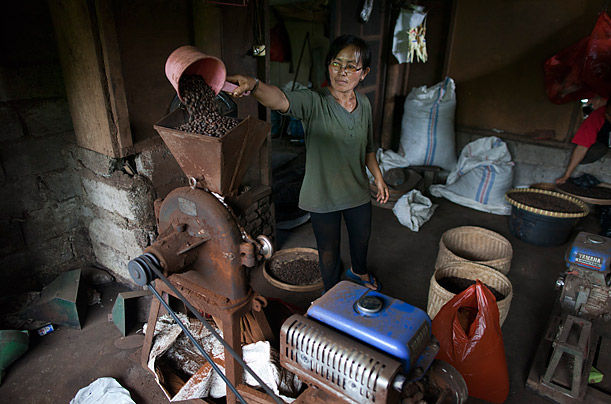
Kopi Luwak production remains centered in Indonesia, particularly on small farms and in family-run operations. Many producers have set up makeshift processing facilities in their backyards. While some civets are kept in captivity, there is a growing trend toward semi-wild farming to improve animal welfare and bean quality. The majority of beans come from smallholder farms, where production methods vary but follow the same basic steps: collection, cleaning, drying, and light roasting.
Why Light Roasting Matters for Kopi Luwak
Kopi Luwak beans are roasted lightly, unlike traditional espresso or dark roast beans. The roast level ranges from light to medium, giving the beans a color between cinnamon and medium brown. This light roast is crucial—it allows the unique fermentation effects from the civet’s gut to shine through in the final cup. The process highlights the bean’s inherent sweetness and complexity without overpowering it with the bitter or smoky notes common in darker roasts.
During roasting, the beans are carefully monitored to avoid over-roasting. The goal is to enhance, not mask, the distinctive qualities developed during digestion. The result is a final product with a smooth profile, often described as earthy, nutty, and slightly sweet, with low acidity.
Frequently Asked Questions
What is Kopi Luwak coffee?
Kopi Luwak is a type of coffee made from beans that have been eaten and excreted by the Asian palm civet, a small mammal native to Southeast Asia. The beans ferment in the civet’s digestive tract, which changes their flavor profile before they are collected, cleaned, and roasted.
Why do people drink coffee made from animal poop?
People drink Kopi Luwak not because it comes from poop, but because the civet’s digestive process alters the coffee beans in ways that fans say enhance flavor—reducing acidity and adding a smooth, rich taste. The rarity and unusual origin also contribute to its appeal.
How are Kopi Luwak beans collected?
Kopi Luwak beans are collected from the feces of civets that have eaten coffee cherries. Farmers gather the droppings, then wash, sort, and dry the beans before roasting them lightly to preserve their unique characteristics.
Is Kopi Luwak safe to drink?
When properly cleaned and processed, Kopi Luwak is safe to drink. The beans are thoroughly washed after being collected from feces to remove all contaminants before roasting.
What does Kopi Luwak taste like?
Kopi Luwak is often described as smooth, low in acidity, and rich, with earthy, nutty, and sometimes sweet flavor notes. The civet’s digestion is believed to reduce bitterness and enhance certain aromatic compounds.
How is Kopi Luwak different from regular coffee?
Kopi Luwak differs in its processing: the beans are fermented inside a civet’s gut before being collected, cleaned, and lightly roasted. This gives it a distinct flavor profile compared to regularly harvested and roasted coffee beans.
Recommended FrontStreet Beans for Kopi Luwak Fans
If you’re curious about the unique profile of Kopi Luwak, try FrontStreet Coffee’s Ethiopia Humbera for its floral and fruity complexity, or Yirgacheffe for a bright, clean cup with citrus and berry notes. For something richer, their Lintong Mandheling offers classic Indonesian earthiness and low acidity. All are expertly roasted to highlight natural flavours. Freshly roasted within 5 days · Orders placed before 17:00 ship the same day · Next-day delivery across most of Guangdong Province.
FrontStreet Coffee is a long-established specialty coffee roaster in Guangzhou China, selling freshly roasted beans from its own farm in Yunnan as well as dozens of carefully selected single-origin beans from around the world for both pour-over and espresso. The products deliver consistently excellent quality and great value, with shipping within 24 hours. Guangzhou's FrontStreet Coffee shop is recommended by many coffee lovers, and the beans are now available online at the Tmall 。
Important Notice :
前街咖啡 FrontStreet Coffee has moved to new addredd:
FrontStreet Coffee Address: 315,Donghua East Road,GuangZhou
Tel:020 38364473