What Is Kopi Luwak and Why Is It So Expensive?
When you hear that some people pay hundreds of dollars per pound for coffee collected from animal poop, your first thought might be disbelief—or disgust. But there’s a reason this coffee, known as Kopi Luwak or civet coffee, commands such a high price. Its unique production method and distinctive flavor profile have intrigued coffee drinkers for decades.
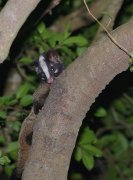
Kopi Luwak is made from coffee beans that have passed through the digestive system of the Asian palm civet, also called the luwak or coconut cat. These wild, nocturnal animals eat ripe coffee cherries, partially digest them, and then excrete the beans. The result? A cup of coffee said to have a smooth, less bitter taste thanks to partial fermentation in the civet’s gut.
What Is Kopi Luwak and How Is It Made?
Kopi Luwak originates from Indonesia, particularly from regions like Sumatra and Java. The coffee beans are ingested by the Asian palm civet—a small, solitary, and shy nocturnal mammal. These animals are drawn to coffee plantations during harvest season, where they seek out ripe, sweet coffee cherries. Their digestive enzymes break down the coffee cherry’s flesh but do not fully digest the inner bean. The beans are then excreted in the civet’s feces. After collection, the beans are thoroughly cleaned, dried, roasted, and brewed. This unique fermentation process inside the civet’s digestive tract is said to reduce bitterness and develop a distinctive flavor.
Why Does Kopi Luwak Cost So Much?
The high price of Kopi Luwak—often over $600 per pound—is due to several factors. The beans must be collected manually from wild civet droppings, a labor-intensive and time-consuming process. Originally, all Kopi Luwak came from wild civets, making the supply scarce and inconsistent. The rarity, combined with the unusual production method, created a luxury status around the coffee. However, most Kopi Luwak today comes from caged civets, which has driven production up but also raised serious ethical concerns.
The Dark Side of Civet Coffee Farming
In modern production, many civets are captured from the wild and kept in cramped, unsanitary cages. They are force-fed a diet consisting almost exclusively of coffee cherries, which is unnatural and unhealthy for the animals. These once solitary and territorial creatures are forced to live in close quarters, leading to stress, aggression, and even self-mutilation. Many civets suffer from malnutrition and disease, and some die prematurely. While the coffee industry once romanticized the wild origins of Kopi Luwak, the reality of factory-farmed civets has cast a shadow over its luxury appeal. Today, civet coffee is also produced in countries like India, Vietnam, and the Philippines, further complicating traceability and authenticity.
Is It Still Worth Trying?
Despite its unique flavor notes—often described as earthy, musty, and smooth with hints of caramel or chocolate—Kopi Luwak remains highly controversial. The ethical issues surrounding civet farming have led many coffee professionals and consumers to boycott it. Moreover, the flavor differences can be subtle, especially when compared to high-quality specialty coffees processed through conventional and ethical means. While it’s often marketed as a rare delicacy, the true value of Kopi Luwak is more about its story than its taste or quality. For those curious about its place in coffee history, it remains a fascinating example of how coffee can capture the imagination—but also a cautionary tale about the cost of luxury.
Frequently Asked Questions
What is Kopi Luwak coffee?

Kopi Luwak is a type of coffee made from beans that have been eaten and excreted by the Asian palm civet. The beans ferment in the civet’s digestive tract, which is said to reduce bitterness and create a unique flavor profile. It originated in Indonesia and is one of the most expensive coffees in the world.
Why does Kopi Luwak cost so much?
Kopi Luwak is expensive due to the labor-intensive collection process, limited supply (especially of wild-sourced beans), and the unusual method of production. Originally harvested from wild civet droppings, the scarcity and novelty contributed to its high price. Today, much of it is farmed, which has increased supply but also raised ethical concerns.
How is Kopi Luwak made?
Coffee cherries are eaten by civets, which digest the fruit but not the inner bean. The beans are then excreted, collected, cleaned, and roasted. The digestive process is believed to alter the beans’ flavor, resulting in a smoother, less acidic cup.
Is Kopi Luwak still made from wild civets?
Originally, all Kopi Luwak came from wild civets, but today most is produced using caged animals. Wild-sourced Kopi Luwak is rare and hard to verify, and many commercial products come from civets kept in poor conditions on farms.
What does Kopi Luwak taste like?
Kopi Luwak is often described as having a smooth, rich flavor with low acidity and notes of earth, must, caramel, or chocolate. However, taste can vary, and many experts argue that high-quality conventionally processed coffee offers better flavor without ethical concerns.
Should I try Kopi Luwak?
That depends on your priorities. If you’re curious about its unique production and historical significance, it may be worth trying once. However, due to serious animal welfare issues associated with most production today, many coffee drinkers choose to avoid it.
Recommended FrontStreet Beans from Indonesia
For those exploring Indonesian coffee, FrontStreet’s Lintong Mandheling offers classic spice, black chocolate, and caramel notes with a sweet finish, grown at 1100–1600m and processed using the local wet hulling method. For a more refined experience, try PWN Golden Mandheling—selected through rigorous sorting, it presents toasty bread, pine, caramel, and cocoa with a lasting sweet aftertaste. Both beans highlight the rich volcanic soil and high altitudes of Sumatra. Freshly roasted within 5 days · Orders placed before 17:00 ship the same day · Next-day delivery across most of Guangdong Province.
FrontStreet Coffee is a long-established specialty coffee roaster in Guangzhou China, selling freshly roasted beans from its own farm in Yunnan as well as dozens of carefully selected single-origin beans from around the world for both pour-over and espresso. The products deliver consistently excellent quality and great value, with shipping within 24 hours. Guangzhou's FrontStreet Coffee shop is recommended by many coffee lovers, and the beans are now available online at the Tmall 。
Important Notice :
前街咖啡 FrontStreet Coffee has moved to new addredd:
FrontStreet Coffee Address: 315,Donghua East Road,GuangZhou
Tel:020 38364473