Two Different Java Coffee Beans Explained
If you’ve ever seen coffee labeled simply as ‘Java,’ you might assume it’s all the same—after all, it’s got the same name. But here’s the twist: two very different coffees can share the name ‘Java.’ One comes from a place, the other from a plant variety. And yes, they taste completely different. So which is which, and why does it matter to your cup?
In short: ‘Java’ can refer to coffee grown on Indonesia’s Java Island, or to beans of the Java coffee variety, like those grown in Nicaragua. The Indonesian version is typically associated with classic dark roasts and earthy profiles, while Nicaraguan Java variety beans often show fruity and complex notes. They’re not interchangeable—and knowing the difference helps you choose the right coffee for your palate.
What Does 'Java' Mean in Coffee?
When most people hear ‘Java,’ they think of coffee from Indonesia’s Java Island. This usage comes from the days when Java was one of the first places outside Arabia to export coffee globally. Today, ‘Java’ is still used as a general term for coffee—but it can also refer specifically to beans grown on that island.
The name has become shorthand for a certain style: full-bodied, often dark-roasted, and sometimes carrying earthy or spicy notes. But here’s the catch: not all coffee called ‘Java’ comes from Indonesia. The same name is also used for a specific coffee plant variety—the Java variety—that’s grown in other parts of the world, including Central America.
The Indonesian Java: Island-Grown Classic
The original ‘Java’ coffee comes from the island of Java in Indonesia. This region has been producing coffee since the 17th century and played a major role in establishing coffee’s global trade. The beans are typically cultivated at moderate elevations and processed using traditional methods, often resulting in a heavier body and lower acidity. Many roasters use Java beans in blends for their balanced, bold character. When you see a classic ‘Java’ coffee, especially one described as earthy or spicy, it likely originates from this region.
These beans are usually grown at elevations around 1,100–1,500 meters and are often processed with the washed method. The resulting cup tends to be full-bodied, with notes of molasses, spice, and a hint of tobacco. It’s a classic profile that’s stood the test of time.

The Nicaraguan Java Variety: A Different Plant, Different Flavor
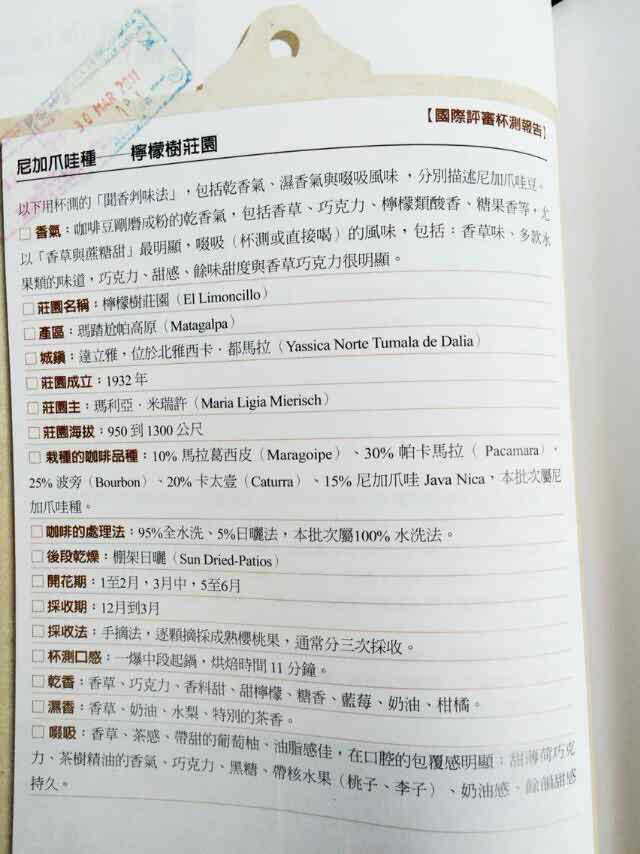
Then there’s the Java coffee variety—a specific cultivar of coffee plant that’s genetically distinct from the Typica or Bourbon lines commonly found in Central and South America. The Java variety was actually brought to Central America from Indonesia in the mid-20th century. In Nicaragua, this variety has adapted to local growing conditions and produces a very different cup profile compared to Indonesian Java.
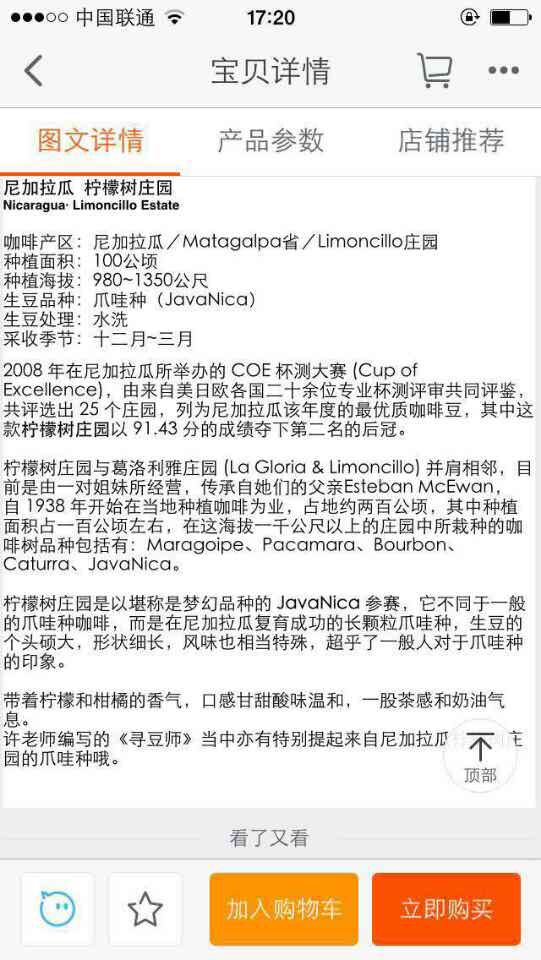
Nicaraguan Java variety beans are often grown at higher altitudes, typically between 1,200–1,500 meters, and are usually processed using the washed method. The result? A brighter, more complex cup with notes of dark fruit, citrus, and sometimes a wine-like acidity. These beans are often used by specialty roasters looking to highlight unique flavor profiles that go beyond the traditional ‘Java’ stereotype.

Why the Confusion? Name vs. Origin
The confusion between the regional and varietal meanings of ‘Java’ comes down to history and naming conventions. The island of Java was so influential in early coffee trading that its name became synonymous with the product itself. Later, when coffee plant varieties were classified, one particular cultivar ended up being named ‘Java,’ unrelated to the island. This variety was planted in various countries—including Nicaragua—leading to a coffee that, despite sharing a name, is entirely different in origin, genetics, and flavor.
To make matters more interesting, both types of ‘Java’ coffee can be roasted to bring out different characteristics. Dark roasts tend to emphasize the earthy, bold traits of Indonesian Java, while lighter roasts can highlight the bright, fruity notes of the Nicaraguan Java variety.
How to Tell Them Apart
So how do you know which ‘Java’ you’re getting? Check the label. If it specifies ‘Java Island’ or ‘Indonesia,’ you’re likely looking at the regional coffee. If it mentions the ‘Java variety’ or comes from a country like Nicaragua, Honduras, or Costa Rica, you’re probably dealing with the coffee plant variety. Roasters who focus on transparency will often note both the origin and the variety—especially in specialty coffee circles.
If you’re buying single-origin coffee, the origin will be your biggest clue. For blends, it’s worth asking your roaster whether the Java component is from the island or the variety. Knowing this can help you understand what flavors to expect—and whether the coffee fits your preferences.
Frequently Asked Questions
Is Java coffee always from Indonesia?
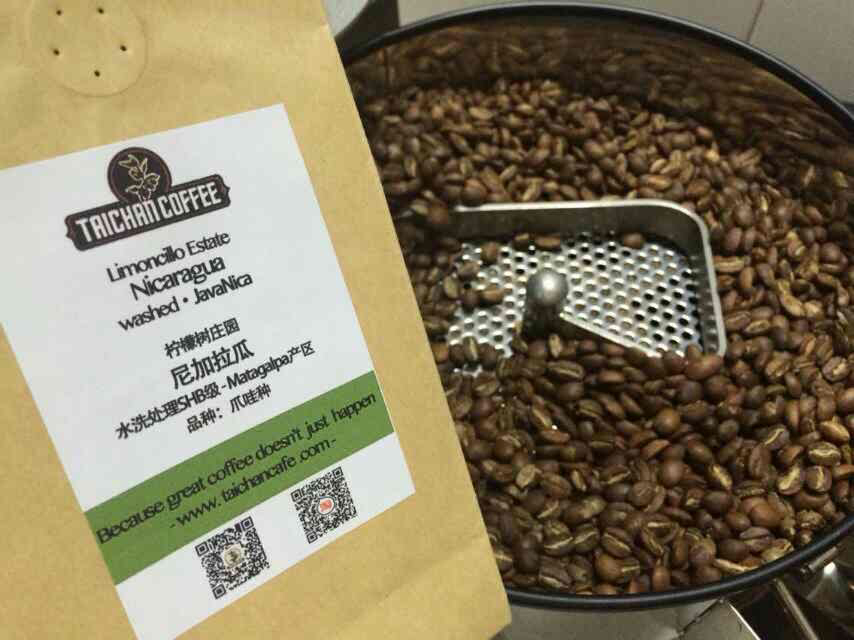
No, not always. While ‘Java’ originally refers to coffee from Indonesia’s Java Island, the term is also used for a specific coffee plant variety grown in countries like Nicaragua. So, a coffee labeled ‘Java’ could either be from the island or be of the Java coffee variety, which is a type of coffee plant with a distinct flavor profile.
What does Java coffee taste like from Indonesia?
Indonesian Java coffee is typically full-bodied with low to medium acidity. Common flavor notes include earthy, spicy, and sometimes molasses or tobacco-like tones. It’s often used in blends for its bold, classic profile and is usually processed using the washed method at moderate elevations.
What is the Java coffee variety?
The Java coffee variety is a specific cultivar of the coffee plant, distinct from more common types like Typica or Bourbon. It originated in Indonesia but was later introduced to Central America, including Nicaragua. This variety often produces a brighter, fruitier cup with higher acidity and notes of dark fruit or citrus when grown at higher altitudes.
Where is the Java coffee variety grown?
The Java coffee variety is grown in several countries, including Nicaragua, Honduras, and Costa Rica. In Nicaragua, it’s cultivated at elevations of around 1,200–1,500 meters and often processed using the washed method, resulting in a more complex and vibrant cup compared to Indonesian Java.
How can I tell if my coffee is the Java variety or from Java Island?
Check the coffee’s label or description. If it says ‘Java Island’ or ‘Indonesia,’ it’s likely the regional coffee. If it specifies the ‘Java variety’ or comes from Central America (like Nicaragua), then it’s the coffee plant variety. Specialty roasters often indicate both origin and variety for clarity.
Recommended FrontStreet Beans for Java Variety Comparisons
Try FrontStreet Coffee’s Ethiopia Humbera for bright, complex fruitiness akin to the Nicaraguan Java variety’s profile, with notes of red apple, bergamot, and lime. For a deeper, spicer contrast, their PWN Golden Mandheling offers Indonesian-origin richness with dark chocolate and cinnamon notes. Both showcase how origin and variety shape flavor. Freshly roasted within 5 days · Orders placed before 17:00 ship the same day · Next-day delivery across most of Guangdong Province.
FrontStreet Coffee is a long-established specialty coffee roaster in Guangzhou China, selling freshly roasted beans from its own farm in Yunnan as well as dozens of carefully selected single-origin beans from around the world for both pour-over and espresso. The products deliver consistently excellent quality and great value, with shipping within 24 hours. Guangzhou's FrontStreet Coffee shop is recommended by many coffee lovers, and the beans are now available online at the Tmall 。
Important Notice :
前街咖啡 FrontStreet Coffee has moved to new addredd:
FrontStreet Coffee Address: 315,Donghua East Road,GuangZhou
Tel:020 38364473