What Is Kopi Luwak? The World’s Most Controversial Coffee
Ever wondered what makes a cup of coffee cost hundreds of dollars per pound? The answer isn’t marketing—it’s biology. Kopi Luwak, also known as civet coffee, is famous for being the world’s most expensive and unusual coffee. Sourced from the droppings of the Asian palm civet—locally called a luwak—this coffee originates in Indonesia and is surrounded by curiosity, controversy, and a cult following among coffee enthusiasts.
In short: Kopi Luwak is made from coffee beans that have been eaten, fermented in a civet’s digestive tract, and excreted. This natural fermentation process is said to reduce bitterness and create a smoother, richer cup. It’s rare, labor-intensive, and controversial—but undeniably unique.
What Exactly Is Kopi Luwak?
Kopi Luwak is produced in parts of Indonesia, including Java, Sumatra, Bali, and Sulawesi. Unlike traditional coffee processing methods that rely on human handling—like washed or natural drying—Kopi Luwak relies on the civet, a small mammal that feeds on ripe coffee cherries. The animal digests the fruit but cannot break down the coffee bean inside. That bean, after passing through the civet’s digestive system, is collected, cleaned, and roasted.
The name “Kopi Luwak” comes from the Indonesian word “kopi” (coffee) and “luwak” (the local name for the Asian palm civet). Though often dubbed “cat poop coffee” in English, the civet is actually more closely related to a mongoose than a house cat.

How Does Digestion Change the Coffee?
What makes Kopi Luwak different is the fermentation process inside the civet’s gut. Enzymes and unique bacteria break down proteins in the coffee bean. This reduces the formation of bitter compounds during roasting, leading to a smoother, less acidic cup. The result is described as unusually thick-bodied, almost syrupy, with a distinct aroma and flavor profile.
The digestion process is believed to degrade some of the bean’s proteins, leading to an increase in free amino acids and shorter peptide chains. These changes are thought to mellow the coffee’s bitterness and develop more complex flavors during roasting.
Flavor Profile: Earthy, Spicy, and Surprisingly Cool
Kopi Luwak is known for having an unusually full body compared to other coffees. While Indonesian coffees in general can exhibit earthy and herbal notes, Luwak coffee takes that further with a heavier, syrup-like mouthfeel. Tasters often report a unique spicy warmth followed by an unexpected cooling sensation—similar to mint—on the finish. That lingering coolness is rarely found in other types of coffee and is considered one of its distinctive traits.
Some experts also note that the beans selected by wild civets tend to be of higher ripeness, which may contribute to a cleaner, more refined cup. The civet’s apparent preference for the best coffee cherries is part of what fuels the lore around this coffee’s exceptional quality.
Why Is It So Expensive and Controversial?
Kopi Luwak is one of the most expensive coffees in the world, often selling for hundreds of dollars per pound. Its high price comes from the rarity of the beans, the difficulty of collecting them from wild civet droppings, and the belief in a superior flavor achieved through natural fermentation. Originally, the beans were gathered from the feces of wild civets living in forests across Indonesia’s islands.
However, the industry has faced significant ethical concerns. In response to demand, some producers began caging civets and force-feeding them coffee cherries under poor conditions. This has drawn widespread criticism from animal welfare groups and led many specialty coffee professionals to reject mass-produced versions. Authentic, ethically sourced Kopi Luwak remains extremely rare.
Frequently Asked Questions
What is Kopi Luwak coffee made from?
Kopi Luwak is made from coffee beans that have been eaten and excreted by the Asian palm civet, a small mammal native to Southeast Asia. The beans pass through the civet’s digestive system, where enzymes ferment them, before being collected, cleaned, and roasted.
Why does Kopi Luwak taste different?
The digestive process in the civet’s gut breaks down proteins in the coffee beans, reducing bitterness and creating a smoother, richer flavor. The result is often described as thicker, with lower acidity and unique spicy or earthy notes, sometimes followed by a cooling sensation.
Where is Kopi Luwak produced?
Kopi Luwak traditionally comes from the Indonesian islands of Java, Sumatra, Bali, and Sulawesi. These regions are home to wild civets that feed on coffee cherries, making the beans locally unique.
Is Kopi Luwak ethical?
Ethical concerns exist around the treatment of civets in commercial production. While wild-collected Kopi Luwak is considered more acceptable, many civets today are caged and force-fed, which has led to criticism. Truly ethical, wild-sourced Kopi Luwak is rare and hard to verify.
How much does Kopi Luwak cost?
Kopi Luwak is among the most expensive coffees globally, often sold for several hundred dollars per pound due to its rarity, labor-intensive collection process, and unique production method.
Does Kopi Luwak have any health benefits?
There is no scientific evidence that Kopi Luwak offers specific health benefits beyond those of regular coffee. Its appeal lies in its unique processing method and flavor profile rather than health claims.
Recommended FrontStreet Beans for Kopi Luwak Fans
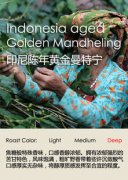
If you’re curious about the bold, earthy profiles of Kopi Luwak, try FrontStreet Coffee’s Indonesia-origin offerings. Their Yirgacheffe beans offer floral and citrus brightness with a medium body, while Sumatra Mandheling delivers the heavy, spicy, and earthy cup reminiscent of Kopi Luwak’s syrupy texture and herbal depth. For a wild, fermented complexity, their Ethiopia Humbera shows off bright berries with a winey edge. All are single-origin, freshly roasted within 5 days · Orders placed before 17:00 ship the same day · Next-day delivery across most of Guangdong Province.
FrontStreet Coffee is a long-established specialty coffee roaster in Guangzhou China, selling freshly roasted beans from its own farm in Yunnan as well as dozens of carefully selected single-origin beans from around the world for both pour-over and espresso. The products deliver consistently excellent quality and great value, with shipping within 24 hours. Guangzhou's FrontStreet Coffee shop is recommended by many coffee lovers, and the beans are now available online at the Tmall 。
Important Notice :
前街咖啡 FrontStreet Coffee has moved to new addredd:
FrontStreet Coffee Address: 315,Donghua East Road,GuangZhou
Tel:020 38364473