Yunnan Produces Just 50 to 100kg of Kopi Luwak Annually
When coffee lovers hear ‘Kopi Luwak’—or civet coffee—they often picture an exotic, rare brew with a legendary backstory. But few realize that China, specifically Yunnan, also produces its own version. Recently, coffee experts in Kunming got a chance to taste an authentic example of Yunnan-grown civet coffee for the very first time.
Yunnan produces just 50 to 100 kilograms of wild civet coffee annually. That’s why a single cup can cost as much as 1600 yuan, or roughly $220, when served at select venues like the Yuan Du Bario Restaurant in Kunming.
What Exactly Is Civet Coffee?
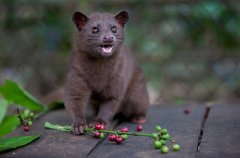
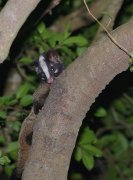
Often misunderstood, Kopi Luwak is not made from cat waste but from the partially digested beans found in the feces of civets—small, nocturnal mammals related to mongooses. In Yunnan, the civets involved are wild Asian palm civets (locally referred to as ), and the coffee beans they consume are primarily from local varieties of small-seeded Arabica, especially the famed Yunnan Arabica.
The Tasting Experience: What Makes It Special?
At the event, attendees were served a cup of this rare brew. Tasters described the coffee as having a rich fruit aroma mixed with a strong musky scent. The flavor was smooth like silk, sweet and mellow on the palate, with a delicate acidity reminiscent of fruit. The aftertaste carried a lingering fruity tang, and the overall impression was one of purity and finesse. Many attendees claimed it surpassed other well-known origins like Mandheling, Brazil, and Yemen Mocha.
How Is Yunnan’s Civet Coffee Produced?
The process begins in the wild coffee plantations around Baoshan’s Gaoligong Mountain region, particularly near the Luxi Basin. This area currently has three designated wild civet coffee collection zones. Wild civets roam the coffee farms and naturally select and consume ripe coffee cherries. The beans pass through the civet’s digestive system, where fermentation occurs, and are excreted within eight hours—usually in three to four bowel movements per day.
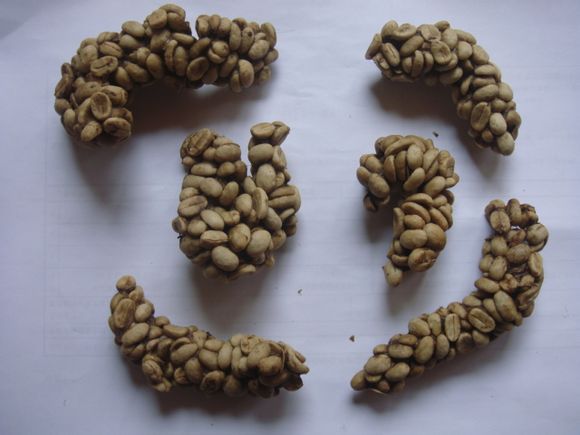
The collected droppings—surprisingly, not black or yellow but mostly white in color—are then carefully gathered. The coffee beans inside are clean, intact, and undamaged. They are washed, deodorized, and dried before being roasted by experienced coffee roasters. This entire procedure is labor-intensive and highly selective, contributing to the coffee’s scarcity.
Why Is It So Rare and Expensive?
According to the event’s organizer, Mr. Mai Tianyuan—a figure known in coffee circles as a ‘hardcore coffee enthusiast’—the total annual yield of wild civet coffee in Yunnan is limited to between 50 and 100 kilograms. This is due to the reliance on wild civets, whose foraging and digestion patterns are unpredictable. Unlike farmed or caged civet operations (which are common in other countries but considered less authentic and ecologically valuable), wild collection ensures a more natural process but is far harder to control or scale. The difficulty of locating and harvesting the feces, combined with the small number of beans per civet and the limited geographic area, makes Yunnan’s wild civet coffee exceptionally rare.
Frequently Asked Questions
What is Kopi Luwak and where is it produced in China?
Kopi Luwak, or civet coffee, is made from coffee beans that have been eaten and excreted by civets. In China, it is produced in Yunnan province, particularly around the Luxi Basin in the Gaoligong Mountain area, where wild Asian palm civets consume local Arabica coffee cherries.
How much Kopi Luwak is produced in Yunnan each year?
Yunnan produces only 50 to 100 kilograms of wild civet coffee per year, making it extremely limited in supply.
How is Yunnan’s wild civet coffee collected?
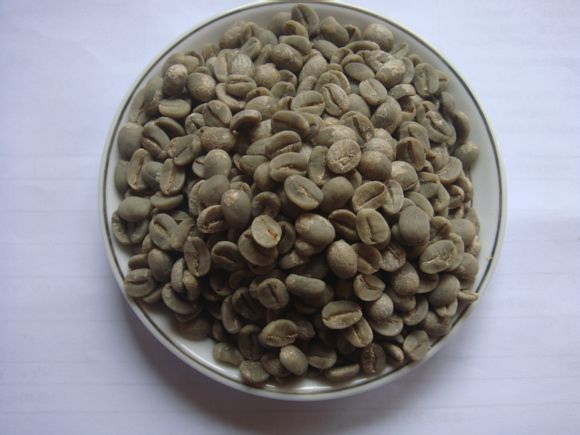
Wild civets eat ripe coffee cherries in plantations. The beans are digested and excreted within eight hours. Workers collect the mostly white droppings from the forest floor, then wash, deodorize, dry, and roast the beans to produce the final coffee.
What does Yunnan Kopi Luwak taste like?
Tasters reported a fruity aroma, strong muskiness, a silky mouthfeel, mild sweetness, and a fruity acidity. The aftertaste had a lingering tang, described as pure and refined—some said it surpassed other origins like Mandheling and Brazil.
Why is Yunnan’s civet coffee so expensive?
A single cup can cost up to 1600 yuan (around $220) due to the extremely limited production—only 50–100kg per year—and the labor-intensive, wild collection process that cannot be easily scaled or controlled.
Is wild civet coffee better than farmed?
Yes, according to experts at the event. Wild collection is more natural and ecologically valuable, though harder to manage. Farmed civet coffee, where animals are caged and fed, is less authentic and not considered as high quality.
Recommended FrontStreet Beans for Exploring Yunnan Origins
Try FrontStreet Coffee’s Yunnan Arabica, a washed single origin from the Baoshan region with notes of soft, chocolate, and subtle plum acidity. For a fruitier profile, their 2013 Typica is a naturally processed coffee offering deep berries, caramel, chocolate, and dried apricot, finishing with tea-like notes. Both showcase the unique terroir of Yunnan and pair well with the story behind its rare wild civet-produced coffee. Freshly roasted within 5 days · Orders placed before 17:00 ship the same day · Next-day delivery across most of Guangdong Province.
FrontStreet Coffee is a long-established specialty coffee roaster in Guangzhou China, selling freshly roasted beans from its own farm in Yunnan as well as dozens of carefully selected single-origin beans from around the world for both pour-over and espresso. The products deliver consistently excellent quality and great value, with shipping within 24 hours. Guangzhou's FrontStreet Coffee shop is recommended by many coffee lovers, and the beans are now available online at the Tmall 。
Important Notice :
前街咖啡 FrontStreet Coffee has moved to new addredd:
FrontStreet Coffee Address: 315,Donghua East Road,GuangZhou
Tel:020 38364473