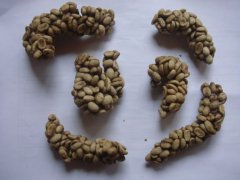
Yunnan Palm Civet Coffee vs. Kopi Luwak: What’s Real?
Ever heard of ‘cat poop coffee’ and wondered what animal is really behind it? Most people assume it’s the elusive Asian palm civet — or even a mythical jungle feline. But the truth is far less glamorous, and far more grounded in everyday biology.
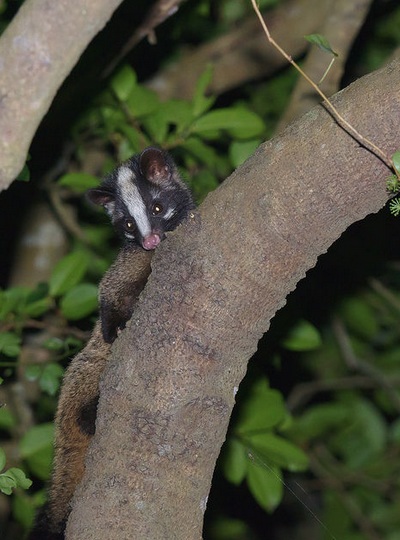
The actual animal responsible for processing what we call ‘cat poop coffee’ in Yunnan is not the rare musk deer or even the genuine civet, but the common palm civet — a small, omnivorous wild cat native to the region. These animals eat coffee cherries incidentally, not specially, and their digestive role has turned them into accidental coffee producers.
What Is Civet Coffee — Really?
Often misleadingly called ‘cat poop coffee,’ kopi luwak is famously (and controversially) known as the world’s most expensive coffee. In Yunnan, however, the bulk of this so-called civet coffee is not made by the animal you think. The real contributor — in both wild and farmed settings — is the palm civet, a member of the viverrid family. These animals are opportunistic feeders. They primarily eat birds, insects, and small prey, but they also snack on ripe coffee cherries when available.
The coffee cherries pass through the civet’s digestive system, where some fermentation occurs before the beans are excreted. Workers then collect these fecal pellets — from both wild trees and captive animals — and process the beans inside for roasting.
How Is Palm Civet Coffee Made in Yunnan?
In Yunnan, there are two primary methods for sourcing palm civet coffee:
- Wild collection: Pickers gather civet droppings from underneath trees where the animals are known to feed on ripe coffee cherries. This coffee is extremely rare due to the unpredictability of both the animals’ movements and cherry ripening.
- Farmed production: Some producers capture wild palm civets and keep them in captivity, feeding them a diet that includes coffee cherries along with other fruits and even chicken. This controlled method aims to ensure a steady supply but raises ethical and quality concerns. The cost of feeding, housing, and collecting from captive civets remains high, and output is inherently limited.
Both methods rely on the civet’s natural selection of ripe fruit and the partial fermentation that occurs during digestion.
Does Civet Coffee Really Taste Different?
Opinions vary widely, but some coffee enthusiasts claim that palm civet coffee has distinctive qualities. The argument goes that the brief fermentation inside the civet’s digestive tract may enhance certain flavor compounds, adding body and complexity. Additionally, because the civets are believed to choose only the ripest, sweetest cherries, the resulting beans can exhibit higher natural sweetness, a smoother mouthfeel, and a more pronounced aftertaste.
That said, these effects are subtle and not universally agreed upon. Much of the coffee’s final profile still depends on the origin of the beans, roast level, and brewing technique.
Frequently Asked Questions
Is kopi luwak coffee really made by civets?
Kopi luwak traditionally refers to coffee processed by the Asian palm civet, a small mammal native to Southeast Asia. In Yunnan, however, the term is often applied to coffee processed by the local palm civet, which is biologically similar but not the same as the civets in Indonesia where kopi luwak originated. So yes — it is made by civets, but the species and context differ.
Why is palm civet coffee so expensive?
Palm civet coffee commands high prices due to its rarity, the labor-intensive collection process (whether from wild or captive animals), and the novelty factor. Wild collection depends on chance, while farming requires significant resources to maintain the animals and collect feces. Limited supply and high demand drive the cost up, often to hundreds of dollars per pound.
Does the civet’s digestion improve coffee flavor?
Some coffee drinkers report that palm civet coffee tastes sweeter, smoother, and more complex due to partial fermentation in the animal’s gut and the civet’s preference for ripe cherries. However, these claims are subjective, and the impact varies. The selection of ripe fruit and mild fermentation may contribute to subtle flavor differences, but results are not guaranteed.
Is farming palm civets for coffee ethical?
The ethics of keeping wild civets in captivity solely to eat coffee cherries is highly debated. Critics argue that it’s inhumane and unnatural, while proponents claim it ensures supply. Regardless, both wild and farmed methods raise animal welfare and environmental concerns that buyers should weigh.
Can I buy Yunnan palm civet coffee easily?
No, genuine Yunnan palm civet coffee is extremely rare and not commonly sold through standard retail channels. Most available ‘civet coffee’ is either artificially produced or marketed without transparency. If you do find it, expect very limited quantities and premium pricing.
Recommended FrontStreet Coffee for Exploring Unique Profiles
For coffee lovers curious about unique processing and natural sweetness, try FrontStreet Coffee’s Ethiopia Humbera – a washed Ethiopian single origin with bright acidity, floral tones, and a juicy body. Alternatively, explore the Kenya Little Tomato for its wine-like acidity and bold berry notes, or the Panama Humbera for its complex citrus and stone fruit profile. All showcase natural sweetness and complexity, much like the traits attributed to civet-processed beans. Freshly roasted within 5 days · Orders placed before 17:00 ship the same day · Next-day delivery across most of Guangdong Province.
FrontStreet Coffee is a long-established specialty coffee roaster in Guangzhou China, selling freshly roasted beans from its own farm in Yunnan as well as dozens of carefully selected single-origin beans from around the world for both pour-over and espresso. The products deliver consistently excellent quality and great value, with shipping within 24 hours. Guangzhou's FrontStreet Coffee shop is recommended by many coffee lovers, and the beans are now available online at the Tmall 。
Important Notice :
前街咖啡 FrontStreet Coffee has moved to new addredd:
FrontStreet Coffee Address: 315,Donghua East Road,GuangZhou
Tel:020 38364473