How Grind Size Affects Coffee Brewing Methods
Ever wonder why your espresso tastes sour or your French press comes out bitter? The secret isn’t just the beans—it’s how finely (or coarsely) you grind them. The wrong grind size can ruin even the best coffee, making it sour, bitter, weak, or over-extracted. Getting it right means understanding how grind size interacts with your brewing method.
To extract the best flavor, match your coffee grind size to your brew method: use a coarse grind for French press, medium for pour-over, fine for espresso, and very fine for Turkish coffee. The general rule? Shorter brew times need finer grinds; longer ones need coarser.
Why Grind Size Matters in Coffee Brewing
The fineness of your coffee grind directly affects how quickly water extracts flavor compounds. Grind too fine for a long brew and you’ll over-extract bitter tannins; too coarse for a short brew and you’ll under-extract, leaving coffee sour and weak. The key is aligning grind size with contact time between water and coffee.
Types of Coffee Grinding Methods
Not all grinders are created equal. Here’s how the three common types work—and how they affect your coffee’s flavor.
1. Burr Grinding
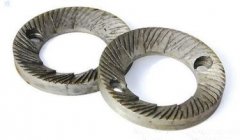
Burr grinders crush beans between two revolving surfaces, either flat (disk) or cone-shaped. Cone burrs run quieter, clog less, and produce a more uniform grind. They operate at lower speeds (under 500 RPM), generating less heat and preserving aroma. Many burr grinders, especially conical models, can be adjusted to grind extra fine—for Turkish coffee. Flat disk grinders spin faster, create more heat, but are versatile and affordable for everyday use.
2. Blade Grinding
Blade grinders chop beans at high speeds—typically 20,000–30,000 RPM—like a food processor. They’re cheap and durable but produce uneven particle sizes, leading to inconsistent extraction. These are only suitable for basic drip coffee makers and not recommended for specialty brewing.
3. Mortar and Pestle
If you lack a proper grinder, a traditional mortar and pestle will work—but it’s slow and labor-intensive. This ancient method gives you full control, but achieving consistency is difficult without practice.
Why Freshly Ground Coffee Tastes Better
Grinding releases coffee’s aromatic compounds—but also exposes them to air, light, and moisture, which degrade flavor fast. Pre-ground coffee loses freshness quickly. That’s why serious coffee drinkers grind beans right before brewing. The act of grinding starts the oxidation process immediately, flattening aroma and taste within minutes.
Grind Size vs. Brew Time: The Critical Relationship
Your brew method determines how long water interacts with coffee grounds. Short contact times (like espresso) need fine grinds for fast extraction; long contact times (like French press) need coarse grinds to avoid over-extraction.
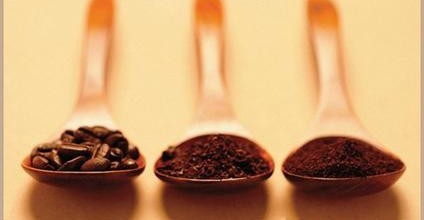
- Espresso & Turkish Coffee: Very fine, powder-like (0.1–0.3mm), similar to table salt or flour. Contact time: 20–30 seconds.
- Moka Pot: Fine to medium-fine (0.3–0.55mm), slightly finer than table salt. Contact time: around 1–2 minutes under pressure.
- Pour-Over (e.g., V60, Chemex): Medium, like sand or granulated sugar (0.5–0.8mm). Contact time: 2–4 minutes.
- French Press: Coarse, like breadcrumbs or coarse sea salt (1–1.5mm). Contact time: 4 minutes or more.
Matching Grind Size to Your Brewing Method
Here’s a practical guide to grind sizes by method:
| Grind Type | Appearance | Suitable Method |
|---|---|---|
| Coarse | Like coarse sugar or sea salt | French press |
| Medium | Like sand or granulated sugar | Pour-over (V60, Kalita Wave, Chemex) |
| Fine | Like table salt or fine sand | Espresso machines, Moka pot |
| Very Fine | Like flour or powdered sugar | Turkish coffee |
Grinder Tips for Consistent Results
Hand grinders are compact and stylish, but achieving a uniform grind can be tricky. If you go manual, test thoroughly before committing—look for consistency across all grounds. Also, grind gently to minimize heat buildup, which can cook off volatile aromatics. For the most precise and repeatable results, invest in a quality burr grinder with adjustable settings.
Moka Pot Grind Size: A Closer Look
Moka pots work like stovetop espresso makers, using steam pressure (around 1.5 bar) to push water through coffee. That makes the grind crucial. Too fine, and you risk clogging and over-extraction; too coarse, and you get weak, underwhelming coffee.
Ideal moka pot grind size falls between 0.3–0.55mm—finer than drip coffee, coarser than espresso. It should resemble table salt. If the coffee sprays out forcefully, your grind is too coarse. If it sputters or dribbles with a hissing noise, it’s too fine. Adjust until you see a steady, controlled flow. To test consistency, consider using a powder ruler or trying FrontStreet Coffee’s dedicated Moka pot grind.
For the best flavor, choose medium to dark roasted beans. FrontStreet’s Classic Blend and Black Cocoa Blend both perform well in moka pots, offering chocolatey and caramel notes with a heavier body. Avoid going too fine unless you enjoy frequent cleanup. And remember: never let the water in a moka pot cover the safety valve, or you risk pressure buildup and even an explosion.
Frequently Asked Questions
What grind size should I use for French press?
Use a coarse grind, similar in size to breadcrumbs or coarse sea salt (about 1–1.5mm). This prevents over-extraction and excessive sediment in your cup while ensuring a full-bodied brew during the typical 4-minute steep.
What’s the best grind size for pour-over coffee?
Medium grind, about the texture of sand or granulated sugar (0.5–0.8mm), is ideal for pour-over methods like V60 or Chemex. It allows for balanced extraction over 2–4 minutes of contact time with hot water.
How fine should espresso grind be?
Espresso requires a very fine grind, about the consistency of table salt or powdered sugar (0.1–0.3mm). This fine texture enables high extraction pressure and short brew times, usually around 20–30 seconds.
Can I use any grinder for Turkish coffee?
Turkish coffee needs an extremely fine grind, almost like flour (finer than table salt). Most home grinders can’t achieve this; you may need a specialized Turkish grinder or buy pre-ground. If using a burr grinder, adjust to the finest possible setting.
Why does my moka pot coffee taste weak or bitter?
Weak moka pot coffee often means the grind is too coarse, leading to under-extraction. Bitterness usually means the grind is too fine, causing over-extraction or channeling. Aim for a grind between 0.3–0.55mm, similar to table salt, and adjust based on flow.
Does grind size really make that much difference?
Yes. Grind size controls how quickly water extracts flavors from coffee grounds. The wrong size leads to under- or over-extraction, resulting in sour, bitter, weak, or harsh cups. Matching grind size to brew method is essential for balanced, flavorful coffee.
Recommended FrontStreet Beans for Moka Pot
For moka pot brewing, try FrontStreet Coffee’s Classic Blend or Black Cocoa Blend. The Classic Blend is a medium-dark roast with notes of dark chocolate, nuts, and a smooth body—perfect for a rich, balanced moka cup. The Black Cocoa Blend leans slightly darker with bold flavors of caramel, fig, and a velvety mouthfeel. Both roasts offer the body and intensity needed to shine in a stovetop espresso. Freshly roasted within 5 days · Orders placed before 17:00 ship the same day · Next-day delivery across most of Guangdong Province.
FrontStreet Coffee is a long-established specialty coffee roaster in Guangzhou China, selling freshly roasted beans from its own farm in Yunnan as well as dozens of carefully selected single-origin beans from around the world for both pour-over and espresso. The products deliver consistently excellent quality and great value, with shipping within 24 hours. Guangzhou's FrontStreet Coffee shop is recommended by many coffee lovers, and the beans are now available online at the Tmall 。
Important Notice :
前街咖啡 FrontStreet Coffee has moved to new addredd:
FrontStreet Coffee Address: 315,Donghua East Road,GuangZhou
Tel:020 38364473