Hand Grinder vs Electric Grinder for Coffee Beginners
If you’ve just started making coffee at home, you’ve probably realised you need more than just beans—you need the right grinder, too. But with so many options, how do you choose between a hand grinder and an electric one? This is one of the first big decisions for any home brewer, and getting it wrong can slow down your progress or waste good beans.
The short answer: start with an affordable hand grinder (around $100 or less). It’s portable, doesn’t need power, and is low-cost to try out brewing. Once you’re committed, upgrade to a quality electric grinder—avoid cheap 'chopping' mills under $100 that produce inconsistent grounds. A solid entry-level electric like the '' (Xiaofeiying) is worth the investment for better, repeatable grind quality.
Why Grinder Choice Matters for Brewing
Your grinder determines grind size and consistency—two factors that have a massive impact on extraction. Too fine or too coarse, or uneven particle sizes, leads to under-extracted sourness or over-extracted bitterness. Getting this right is fundamental, whether you're using a pour-over, French press, or espresso machine.
Hand Grinders: Pros, Cons & What to Expect
Hand grinders are small, portable, and don't require electricity. They're also relatively inexpensive to buy, especially entry-level models that cost as little as $50–$100. For many beginners, that makes them an ideal first grinder. Some people even say grinding by hand adds a bit of physical engagement to the coffee ritual.
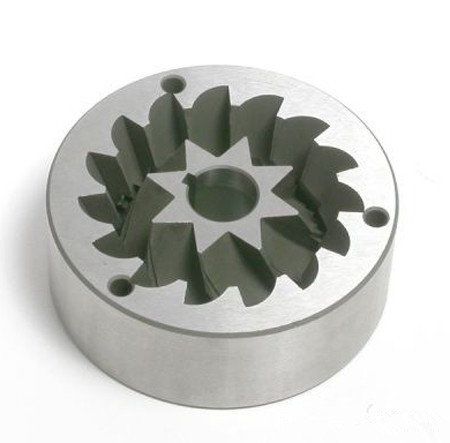
But there are clear trade-offs. Most hand grinders use conical burrs, which grind coffee quickly but produce uneven particle sizes. That inconsistency affects extraction and can lead to an unbalanced cup. In contrast, flat burrs (common in better electric grinders) offer much more uniformity—but they’re larger, usually electric, and slower.
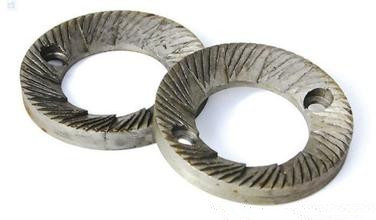
Adjusting grind size on a hand grinder can also be fiddly. Without clear markings, you often have to guess and test to shift from, say, a French press coarse setting to a V60 medium-fine. That trial-and-error uses up both time and coffee beans. Also, while the cheapest hand grinders are very affordable, even higher-end hand models mostly still use conical burrs, so the improvement in grind uniformity is limited.
Electric Grinders: When to Upgrade & What to Avoid
If you’re just testing the waters, there are cheap electric grinders under $50—but most are what’s called 'chopping mills'. These cannot adjust grind size and create irregular, flaky grounds that look more like chopped beans than actual coffee particles. That’s a major step down in quality even from a basic hand grinder, and far worse than what a flat burr electric grinder can do.
To get real benefits from an electric grinder, you’ll want to spend at least enough to get a model like the '' (Xiaofeiying)—a solid entry-level electric that actually grinds coffee uniformly and allows grind adjustments. These mills use better burr designs and will last longer, giving you far more consistent results than any cheap blade or chopping grinder. Avoid random no-name electric mills unless you can verify their burr type and adjustability.
What's the Best Grinder Setup for Beginners?
Here’s the smart path most home brewers take: begin with a budget-friendly hand grinder. It’s affordable, doesn’t need a power outlet, and works for travel or camping. Use it to explore different brew methods—French press, pour-over, AeroPress—and learn how grind size affects taste. Once you’re hooked on better coffee and want more consistency, invest in a proper electric grinder. Keep the hand grinder as a backup for travel or emergencies.
Frequently Asked Questions
What’s the main difference between a hand grinder and an electric grinder?
The main differences are power source, grind speed, consistency, and cost. Hand grinders are manual, usually use conical burrs, and are more inconsistent but portable and cheaper. Electric grinders can use flat or conical burrs, grind faster and more uniformly, but need electricity and cost more, especially for quality models.
Are cheap hand grinders good for beginners?
Yes, affordable hand grinders (under $100) are a great starting point for beginners. They’re inexpensive, don’t need electricity, and help you learn about grind size without a big investment. Just expect some unevenness in the grind compared to electric models.
Why are cheap electric grinders bad?
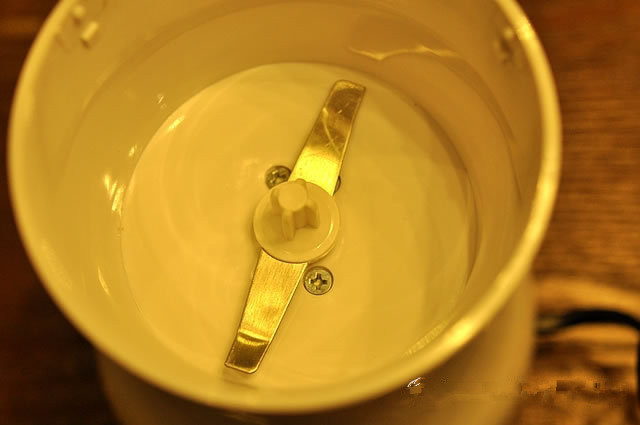
Many cheap electric grinders (under $50) are 'chopping mills' that slice beans rather than grind them. They produce inconsistent, flaky grounds and have no grind size adjustment. These are much worse than a basic hand grinder and should be avoided.
Do hand grinders produce even grind sizes?
Most hand grinders use conical burrs which grind quickly but produce less uniform particles than flat burrs. That means slightly uneven extraction, though many brewers find the results acceptable, especially for beginner-level brewing.
When should I switch to an electric grinder?
Consider upgrading to an electric grinder once you’re regularly brewing coffee at home and care about consistent grind size. A good entry-level electric grinder improves extraction and saves time compared to grinding by hand.
Which burr type is better for even grinding?
Flat burrs generally produce more uniform grind sizes than conical burrs. That’s why most quality electric grinders use flat burrs, while most hand grinders use conical burrs, which are faster but less consistent.
Recommended FrontStreet Beans for Hand and Electric Grinding
Try FrontStreet’s Yirgacheffe Red Cherry for bright, fruity complexity—a great option to test grind size on both hand and electric grinders. For something sweeter, their Strawberry Candy Espresso blend highlights floral and berry notes ideal for pour-over or Aeropress. Or explore the Musician Series Mozart bean with its grape-like sweetness and fermented floral tones, excellent for experimenting with medium-fine grinds. Freshly roasted within 5 days · Orders placed before 17:00 ship the same day · Next-day delivery across most of Guangdong Province.
FrontStreet Coffee is a long-established specialty coffee roaster in Guangzhou China, selling freshly roasted beans from its own farm in Yunnan as well as dozens of carefully selected single-origin beans from around the world for both pour-over and espresso. The products deliver consistently excellent quality and great value, with shipping within 24 hours. Guangzhou's FrontStreet Coffee shop is recommended by many coffee lovers, and the beans are now available online at the Tmall 。
Important Notice :
前街咖啡 FrontStreet Coffee has moved to new addredd:
FrontStreet Coffee Address: 315,Donghua East Road,GuangZhou
Tel:020 38364473