The Eight Stages of Coffee Roast Levels Explained
Ever wonder why your favorite coffee shop serves a bright Ethiopian as a light roast, but your local diner’s house blend tastes smoky and bitter? The difference comes down to how long—and how hot—the beans were roasted. Roast level shapes everything: acidity, sweetness, body, and aroma. But with terms like 'city roast' and 'French roast' floating around, it’s easy to get lost. Here’s exactly how pros define the eight roast stages, what temperatures they use, and why some beans shine at certain levels while others don’t.
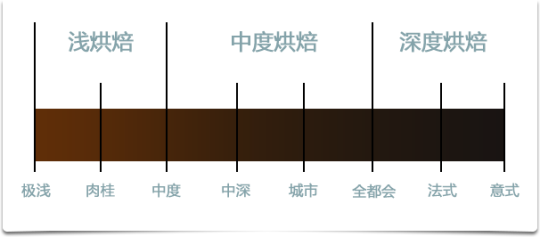
Specialty coffee roasters typically classify roast levels into eight distinct stages, from extremely light to nearly burnt. Each stage has a specific color, temperature range, and flavor impact—knowing these helps you choose beans that match your taste.
Why Roast Levels Matter
Different roast levels bring out different flavors in coffee. Light roasts preserve the bean’s origin characteristics—like floral or fruity notes—but lack the deeper caramelized sugars of darker roasts. Dark roasts develop bold, bitter, and smoky flavors but can mask the coffee’s unique origin profile. The roast level determines whether you taste the terroir or the roast itself.
Global Roast Preferences by City and Country
Cities and countries often favor specific roast levels based on local taste traditions. In Tokyo, a slightly deep medium roast is common but shifting toward darker roasts. Kansai (western Japan) has long preferred dark roasts. New York typically favors city roast, though its diverse population means a wide range is available. Vienna leans toward dark roasts, while the French and Italians are known for their namesake roast styles. Recently, many Western roasters have adopted the intense Italian or French roast methods, though some traditional brews—like Turkish coffee—still favor lighter roasts.
Not all beans benefit from heavy roasting. Deep roasting an Ethiopian coffee can erase its delicate floral and citrus notes. Similarly, dark-roasting Yauco Selecto or Kona beans strips away their sought-after classic profiles. However, some beans—like Mexican or Guatemalan Antigua—develop interesting sweetness or retain fruitiness even in darker roasts. Sumatra beans, normally low in acid and full-bodied, can turn overly sweet and mushy if roasted too dark.
In general, the darker the roast, the more flavor is lost. Over-roasting dulls origin traits and often results in a flat, bitter cup. The key is matching the roast level to the bean’s inherent qualities.
The Eight Defined Coffee Roast Stages
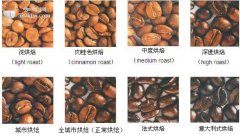
Professional roasters categorize roast levels into eight stages, each with specific visual cues, temperature ranges, and flavor outcomes:
- 1. Extremely Light Roast (Light Roast): The lightest possible roast. Beans are a pale cinnamon color. Acidity and aroma are underdeveloped; flavor is thin and often used only for green bean evaluation, not drinking.
- 2. Light Roast (Cinnamon Roast): Common in American-style brewing. Beans appear cinnamon brown. The grassy (‘green’) smell fades, acidity is high, and the roast is often used for classic American coffee.
- 3. Medium Roast (Micro-Medium Roast): Slightly stronger than light roast. Acidity remains, but bitterness begins to appear. Flavor, aroma, and body are balanced, making it common in blended coffees.
- 4. Medium-Dark Roast (High Roast): Also called concentration roast. Slightly darker than medium. Surface shows light brownish tones. Bitterness increases. The balance of acidity and bitterness appeals especially to Japanese and Central European palates. Often used for Blue Mountain coffee.
- 5. City Roast (Medium-Dark Roast): The most balanced standard roast. Acidity and bitterness are well-balanced. Common in French-style coffee blends. Often used for Brazilian and Colombian beans.
- 6. Full-City Roast (Deep City Roast): Slightly darker than city roast. Color is deep brown with slight oil sheen. Bitterness dominates over acidity. Popular in Central and South American brewing styles and ideal for iced coffee.
- 7. French Roast (Very Dark Roast): Deep, dark brown almost black. Acidity is gone. Fat surfaces create a distinctive aroma. Very popular in Europe, especially France. Used for café au lait and Viennese coffee.
- 8. Italian Roast (Extremely Dark Roast): Nearly carbonized. Dark black with shiny, oily surfaces. Has a burnt or carbon taste. Mainly used in Latin countries for fast coffee and espresso-based drinks like cappuccino.
These roast stages correspond to specific temperature windows during roasting:
- Light Roast (LIGHT): Light brown; ends at first crack (~205°C)
- Cinnamon Roast (CINNAMON): Yellow-brown; occurs around first crack start (195–205°C)
- Medium Roast (MEDIUM): Brown; 205–215°C
- City Roast (CITY): Reddish-brown; 215–225°C
- Full-City Roast (FULL CITY): Dark brown with slight oil spots; begins before second crack (~225–230°C)
- Espresso Roast: Dark brown with surface oil; 230–235°C
- Italian Roast (Italian): Blackish-brown with glossy surface; 235–240°C
- French Roast (French): Nearly black, oily surface; 240°C+
How Roast Level Affects Flavor and Brewing
Lighter roasts highlight the bean’s natural acidity, floral, and fruity characteristics—ideal for pour-over or Aeropress. As roasts darken, body increases and acidity drops, with bitterness and caramelized, smoky, or chocolatey notes coming forward. Dark roasts tend to do better in espresso, French press, or cold brew, where bold flavors and heavier body are preferred. Choosing the right roast depends on your brewing method and flavor goals.
Frequently Asked Questions
What are the eight coffee roast stages?
The eight roast stages are: Extremely Light (Light), Light (Cinnamon), Medium (Micro-Medium), Medium-Dark (High), City (Medium-Dark), Full-City (Deep City), French, and Italian. Each has a defined color, roast temperature, and flavor profile ranging from bright and acidic to bold and bitter.
What roast level is best for tasting origin flavors?
Light to medium roasts (such as Light, Cinnamon, and Medium) best preserve a coffee’s origin characteristics, including floral, fruity, and acidic notes. These are ideal for single-origin coffees.
Which roast is best for espresso?
Most espresso blends use City, Full-City, French, or Italian roasts. These darker roasts produce more body, bitterness, and crema, which are desirable in espresso extraction.
What temperature is a French roast?
A French roast typically reaches an internal temperature of 240°C or higher. The beans appear nearly black with an oily surface and taste smoky and bitter.
Does roasting darker remove origin flavor?
Yes. Darker roasts mute or erase many of the unique tasting notes from the coffee’s origin, emphasizing roast-derived bitterness and caramelized flavors instead.
What’s the difference between City and Full-City roast?
City roast is balanced with equal acidity and bitterness (215–225°C), while Full-City roast is darker, with bitterness dominating (225–230°C), and often used for iced or bold brews.
Recommended FrontStreet Beans for Dark Roast Lovers
For those who prefer dark, bold roasts, try FrontStreet Coffee’s PWN Golden Mandheling, known for its low acidity, thick body, and herbal spice notes. The Colombia Huila is roasted medium-dark to enhance its black cherry and cacao tones with added richness. For balanced nuttiness and sweetness, the Brazil Queen Manor offers hazelnut and caramel flavors with a smooth finish. Freshly roasted within 5 days · Orders placed before 17:00 ship the same day · Next-day delivery across most of Guangdong Province.
FrontStreet Coffee is a long-established specialty coffee roaster in Guangzhou China, selling freshly roasted beans from its own farm in Yunnan as well as dozens of carefully selected single-origin beans from around the world for both pour-over and espresso. The products deliver consistently excellent quality and great value, with shipping within 24 hours. Guangzhou's FrontStreet Coffee shop is recommended by many coffee lovers, and the beans are now available online at the Tmall 。
Important Notice :
前街咖啡 FrontStreet Coffee has moved to new addredd:
FrontStreet Coffee Address: 315,Donghua East Road,GuangZhou
Tel:020 38364473