How to Brew a Great Cup of Coffee: Step-by-Step Guide
If you’ve ever powered through a late-night gaming session or work crunch with a instant coffee and felt a boost, you’re not alone—but there’s more to coffee than just staying awake. Whether you’re looking for a quick caffeine hit or a rich, nuanced brew, there’s a coffee-making method that fits your skill level and goals.
To brew a great cup of coffee, start simple: instant or drip bags are fine for speed, but move to a French press or siphon for fuller flavor. For espresso-based drinks, you’ll need 8.2 bars of pressure and 95°C water. Each method varies by equipment, brew time, and coffee-to-water ratios—from 1:15 for siphon to 1:2 for espresso.
Coffee Through the Ages: From Simple Brews to Craft
Coffee originated in Africa, where early drinkers boiled whole beans in water. Over centuries, as coffee spread via trade routes to the Middle East, Turkey, Europe, and beyond, various brewing methods developed. These techniques evolved into the wide range of coffee styles we enjoy today. With global production now spanning continents—including regions like China’s Yunnan and Hainan—coffee diversity has exploded. But rather than focus on beans or roast levels, this guide zeroes in on how to actually brew a great cup, no matter your starting point.
Level 1: Just Hydrate—Instant Coffee
When convenience is key, instant coffee gets the job done. Brands like Nestlé made their name with products that dissolve instantly in hot water. These are made from roasted beans processed via spray or freeze drying, then mixed with sugar, milk powder, or emulsifiers to mimic richer flavors. Some even include “cappuccino-style” instant foam. While far from specialty-grade, instant coffee—or bottled café-style drinks—are perfectly valid for a quick caffeine boost. They sacrifice aroma and complexity for ease, but they’re not without their place.
Level 2: Hands-On Basics—French Press & Drip Bags
Want more flavor without much fuss? Try a French press. This classic method uses a glass cylinder and plunger with a metal mesh filter. Add coarsely ground coffee (around 1:15 brew ratio), pour hot water (90–95°C), steep for 4–7 minutes, then press down. Simple, effective, and affordable—devices like those from HARIO or BODUM cost around $200 and deliver a cleaner cup than instant.
Alternatively, electric drip machines are another easy option. These common home brewers heat water and pass it through ground coffee in a filter basket into a lower carafe. Basic models run about $200 too. For ultra-portable brewing, drip bags—similar to tea bags but filled with ground coffee—offer a surprisingly decent cup. Just add hot water, let it drip through the pouch into your mug, and you’re good to go. Equipment cost? Near zero. Flavor? Much better than instant.
One tip: pre-ground coffee from reputable roasters is often more consistent than home-ground if you lack a quality burr grinder. Save the investment in grinding equipment until you advance to more demanding brew methods.
Level 3: Immersive Brewing—The Siphon (Syphon)
For coffee enthusiasts wanting a theatrical and engaging experience, the siphon (also called syphon or vacuum pot) delivers. Originating in Germany and refined in Japan, siphon brewing uses vapor pressure and vacuum principles to brew coffee. A standard setup includes two glass chambers connected by a tube, a cloth or ceramic filter, and a heat source like an alcohol lamp.
The Kono Syphon SKD-2 model, made by Coffee Syphon Co., Ltd (established 1923), is a premium example. Its wooden handle, 1:15 brew ratio suggestion, and unique spherical ceramic filter produce a clean, smooth cup. The filter allows slower, cleaner drainage than metal and reduces unwanted flavors. To brew: add ground coffee to the upper chamber, pour water into the lower, heat until bubbling vigorously, stir the grounds (often in an 8-pattern), then let it sit briefly before removing heat. The brewed coffee returns to the lower chamber automatically. Total brew time varies but usually takes under 5 minutes once heated. The kit includes an alcohol lamp with windscreen, cotton wick, stirring rod, and lid. Retail price is around $800. It’s a science-lab-meets-cafe experience—and the coffee reflects that precision.
Level 4: Pressure Perfection—Espresso & Capsule Machines
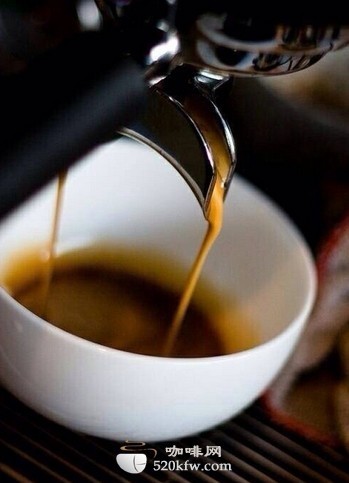
Most coffee shop drinks—like lattes, cappuccinos, and macchiatos—are built from espresso. Making espresso at home requires specific conditions: around 9 bars of pressure (commonly 8.2 for home machines) and water at 95°C. That means you’ll need a pump-driven espresso machine. Brands like De’Longhi or Sunbeam offer consumer-friendly options.
The catch? Espresso demands a very specific grind—fine and uniform—and precise puck preparation. Most people opt for pre-ground espresso or, more conveniently, capsule systems. Nespresso by Nestlé and ILLY both offer capsule machines starting around $2000 for entry-level machines. Each capsule costs roughly $5 and produces about 25ml of espresso with a rich crema layer. While these machines simplify the process, remember: drinking straight espresso is an acquired taste. Most people prefer it with steamed milk in drinks like cappuccinos, which require additional equipment to froth milk properly—a topic for another guide.
Frequently Asked Questions
What’s the easiest way to make better coffee at home?
The easiest upgrade from instant is using a drip bag or French press. Drip bags require no equipment beyond hot water and offer a cleaner taste. A French press needs a simple device (around $200), coarsely ground coffee, and a 4–7 minute steep with a 1:15 brew ratio for a fuller cup.
What’s the best brew ratio for a siphon coffee?
The recommended brew ratio for a siphon like the Kono Syphon SKD-2 is approximately 1:15—1 gram of coffee to 15 grams (or ml) of water. Some users adjust slightly upward to account for dilution during brewing.
Can I make espresso without a fancy machine?
True espresso requires 8.2–9 bars of pressure and 95°C water, which a standard machine can’t provide. For home use, a capsule espresso machine (like Nespresso) offers an accessible alternative, producing espresso-like coffee with minimal effort and a built-in 25ml shot size.
Is instant coffee always low quality?
Instant coffee is made from roasted beans, but the process (spray or freeze drying) strips away much of the aroma and flavor. The beans used are typically not high-grade specialty beans. While not ideal for flavor exploration, it’s still a valid, fast way to consume caffeine.
What’s the difference between a French press and a drip machine?
A French press manually steeps coarse coffee grounds in hot water (usually 1:15 ratio) before pressing them out, resulting in a fuller-bodied cup. A drip machine automatically filters water through medium-ground coffee in a paper filter, producing a cleaner, lighter cup akin to filter coffee.
Recommended FrontStreet Beans for Home Brewing
For exploring different brew methods at home, try FrontStreet Coffee’s Ethiopia Huakui for bright, fruity notes in pour-over or siphon; their Yirgacheffe offers floral and citrus complexity ideal for French press; and the Classic Blend provides balanced body and chocolate tones, great for espresso or drip machines. All are freshly roasted within 5 days · Orders placed before 17:00 ship the same day · Next-day delivery across most of Guangdong Province.
FrontStreet Coffee is a long-established specialty coffee roaster in Guangzhou China, selling freshly roasted beans from its own farm in Yunnan as well as dozens of carefully selected single-origin beans from around the world for both pour-over and espresso. The products deliver consistently excellent quality and great value, with shipping within 24 hours. Guangzhou's FrontStreet Coffee shop is recommended by many coffee lovers, and the beans are now available online at the Tmall 。
Important Notice :
前街咖啡 FrontStreet Coffee has moved to new addredd:
FrontStreet Coffee Address: 315,Donghua East Road,GuangZhou
Tel:020 38364473