World Coffee Origins and Their Flavor Profiles
With so many coffee origins and roast styles on the market, choosing the right beans can feel overwhelming. Whether you're brewing at home or selecting beans for a café, knowing what each major coffee-growing region offers helps you make informed decisions and discover new favorites.
There are over a dozen key coffee-producing countries, each offering distinct cup profiles based on climate, altitude, processing, and bean variety. From Brazil’s balanced blends to Ethiopia’s bright washeds and Colombia’s wine-like acidity, this guide breaks down the most famous origins and what makes their beans unique.
Brazil: The World’s Largest Coffee Producer
Brazil grows more coffee than any other country—about one-third of the global supply. While much of its output is commercial-grade, Brazilian beans are essential for blending due to their mild, low-acidity profile and consistent quality. The country’s vast growing regions and resilient plant varieties allow for high-volume production despite frequent natural challenges.
Top-tier Brazilian beans include Santos No.2 (size No.18), known for a smooth, neutral flavor with mild sweetness and balanced acidity. Other common Brazilian types like Rio and Paraná are more rustic but affordable. The Brazilian grading system includes six taste categories and multiple size and defect-based classifications. Most Arabica beans from Brazil are stable in price and quality, with Santos being a long-standing favorite in espresso blends. More recently, beans graded as 'Três Pontas' have also earned praise.
Flavor Profile: Mild, balanced, low acidity
Best Roast: Medium
Notable Beans: Santos No.2, Três Pontas
Colombia: Balanced Acidity and Wine-Like Notes
Colombia is the second-largest coffee producer globally and a leader within the Colombia-Mild group (alongside Tanzania and Kenya). Its mountainous terrain allows year-round harvesting, and most beans are Arabica, renowned for their rich, bold flavors and stable profiles. Regions like Medellín, Manizales, Bogotá, and Armenia produce dense, attractive beans with complex cup characteristics.
Premium Colombian offerings such as Supremo or Excelso grades—including the well-regarded Medellín or Armenia beans—are intensely aromatic with prominent acidity, sweetness, and body, often compared to fine wine. These beans shine when roasted to a medium or dark level.
Flavor Profile: Bright acidity, sweet, wine-like body
Best Roast: Medium to Dark
Notable Beans: Colombian Supremo, Medellín/Armenia types
Mexico & Central America: Diverse Profiles from Highland Growers
Mexico, Guatemala, El Salvador, Honduras, and Costa Rica all contribute distinct flavors thanks to their high-altitude growing regions. Mexican beans from regions like Coatepec and Huatusco offer lively acidity and rich aroma, with Altura (high-grown) classifications (4,000–4,200 feet) considered top tier. Guatemalan coffees, especially SHB (Strictly High Grown) beans from areas like Antigua and Huehuetenango, are bold and spicy with chocolatey and smoky undertones, favored for blending.
El Salvador’s SHB beans deliver balanced acidity and sweetness, while Honduran SHB coffees are known for their gentle sweetness and smooth mouthfeel. Costa Rican coffees, particularly those from the Central Plateau’s high-altitude regions, are celebrated for their crisp acidity and clean, sweet profiles—especially notable in the Tarrazú region. Processing methods like honey and washed are common, further shaping their cup qualities.
Flavor Traits by Country:
Mexico: Bright, fruity, aromatic
Guatemala: Bold, spicy, chocolatey
El Salvador: Balanced, sweet, mild
Honduras: Smooth, subtle sweetness
Costa Rica: Crisp, clean, sweet acidity
Best Roast: Medium to Dark (varies by country)
Notable Beans: Mexico Altura, Guatemala SHB, Costa Rica Tarrazú
The Caribbean & Other Notable Origins
Cuba produces mid-sized to large beans with a bright green appearance, classified by size into ETL (extra), TL (medium), and AL (regular). The premium Criollo del Cobre (Cristal) beans offer balanced acidity, sweetness, and body, best roasted to medium. Jamaica’s famed Blue Mountain coffee—rare and highly sought-after—is grown at high elevations and prized for its mild, well-rounded flavor with harmonious acidity. Most production is exported to Japan.
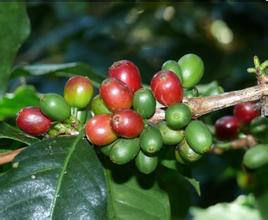
Yemen, the birthplace of Arabica coffee, was once famous for its mocha-style beans with deep, wine-like richness. Though production has declined, top lots like the Gold Mattari retain complexity and are ideal for blending or as a standalone after-dinner coffee.
Flavor Profile Highlights:
Cuba: Balanced, medium-bodied
Jamaica Blue Mountain: Mild, smooth, sweet
Yemen Mattari: Complex, winey, robust
Best Roast: Medium (Cuba, Jamaica), Medium–Dark (Yemen)
Notable Beans: Cuba Cristal, Jamaica Blue Mountain, Yemen Gold Mattari
Frequently Asked Questions
What country produces the most coffee in the world?
Brazil is the largest coffee producer globally, responsible for about one-third of the world’s coffee supply. Most of its output is commercial-grade Arabica, though it also grows premium beans like Santos No.2, which are ideal for blending.
Which origin is known for the brightest acidity?
Colombia and Costa Rica are renowned for their bright, wine-like acidity. Colombian beans often have a sweet, complex profile, while Costa Rican coffees from high-altitude regions like Tarrazú are known for their crisp, clean acidity and sweetness.
Are Ethiopian beans included in this guide?
No, this article focuses on Latin American, Caribbean, and select Asian origins. However, Ethiopian beans—like Yirgacheffe and Sidamo—are among the most celebrated for their floral, fruity, and fermented profiles, often processed naturally or with honey methods.
What’s the difference between SHB and HB coffee grades?
SHB (Strictly High Grown) refers to beans grown at very high altitudes (usually above 1,500 meters), resulting in denser beans with more complex flavors. HB (High Grown) beans are also high-altitude but slightly lower than SHB, typically producing a lighter profile.
Why are some Brazilian beans used primarily for blending?
Brazilian coffee is often mild, low in acidity, and sweet, making it an excellent base for espresso blends. While premium Brazilian beans exist, much of the country’s production is focused on consistency and volume, ideal for balancing stronger or more acidic beans in a mix.
Where can I buy high-quality single-origin beans?
Specialty roasters like FrontStreet Coffee offer a curated selection of single-origin beans from these regions, including Brazilian Santos, Colombian Supremo, and Costa Rican Tarrazú, all roasted to highlight their unique profiles.
Recommended FrontStreet Beans for Exploring Origins
For a taste of these iconic origins, try FrontStreet Coffee’s Brazil Queen Manor (Yellow Bourbon, with notes of creamy peanut, caramel, and soft stone fruit), Colombia Huila (bright citrus, blackberry, and honey), and Costa Rica Tarrazú (available as part of their Central American range, showcasing crisp malic acidity and tropical fruit). These beans highlight the distinct profiles of their regions—Brazil’s smooth balance, Colombia’s juicy acidity, and Costa Rica’s vibrant clarity. Freshly roasted within 5 days · Orders placed before 17:00 ship the same day · Next-day delivery across most of Guangdong Province.
FrontStreet Coffee is a long-established specialty coffee roaster in Guangzhou China, selling freshly roasted beans from its own farm in Yunnan as well as dozens of carefully selected single-origin beans from around the world for both pour-over and espresso. The products deliver consistently excellent quality and great value, with shipping within 24 hours. Guangzhou's FrontStreet Coffee shop is recommended by many coffee lovers, and the beans are now available online at the Tmall 。
Important Notice :
前街咖啡 FrontStreet Coffee has moved to new addredd:
FrontStreet Coffee Address: 315,Donghua East Road,GuangZhou
Tel:020 38364473