Three Common Cafe Coffee Brewing Methods Explained
If you’ve ever stepped into a café and wondered how your flat white or black coffee was brewed, you’re not alone. Most cafés rely on a small set of brewing methods that balance ease, flavor, and equipment needs. Whether you're trying to replicate café-quality coffee at home or just understand what’s in your cup, knowing these three common brewing styles helps you make better choices.
Here’s the quick answer: The three most common café brewing methods are paper drip (filter coffee), cloth (flannel) filter, and moka pot (stovetop espresso-style). Each uses specific grind sizes, water temps (typically 90–96°C), and brew ratios — for example, a standard paper drip uses 10–12g coffee to 120ml water, while flannel brewing can enhance sweetness and body through extended contact.
1. Paper Drip (Filter Coffee): The Simple, Clean Café Standard
Paper drip brewing — also known as filter coffee — is the most common and straightforward method found in cafés, especially for single servings. It’s hygienic, easy to clean up, and allows control over water volume and pouring technique, making it ideal for brewing one or two cups.
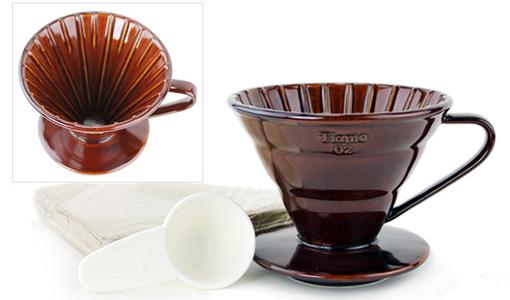
There are single- and multi-hole drippers; cafés often use three-hole versions for even extraction. A gooseneck kettle with a narrow spout is essential for controlled, vertical water pouring over the coffee bed.
Key Variables & Ratios
- Standard dose: 10–12g medium grind coffee per 120ml (120cc) water
- Lighter taste? Use 8g. Want it stronger? Go up to 12g and extend brew time.
- Use about 70–80% full kettle pours for better control.
- Preheat cups without boiling the water.
- Stop pouring before the last few drops to avoid over-extracted flavours.
Step-by-Step Method
- Fold the filter along its seam and place it in the dripper.
- Add 10–12g of medium grind coffee, then tap lightly to level the surface.
- Boil water, pour into a gooseneck kettle, and start pouring from the center in a slow spiral. Begin with a gentle pre-wet (bloom) for about 20 seconds to let the coffee expand.
- Continue pouring in stages, maintaining even saturation and a steady flow rate. Total brew water should match your target yield (e.g., 120ml).
- Stop the brew once you hit the desired output, and discard the filter — avoid letting all the dripping finish, as it may carry off-flavours.
2. Flannel (Cloth) Filter: Maximum Coffee Flavor Clarity
Cloth filter brewing, typically using a flannel or cotton brewer like a Kyusu or a Bee House cloth dripper, produces some of the cleanest, sweetest, and most nuanced cups. It highlights clarity and body, but requires proper care to avoid contamination or flavour tainting.
The key to success? Proper pre-treatment, storage, and handling of the cloth filter.
Cloth Care & Storage
- New flannel filters must be washed without soap. Use a brush to remove starches, then rinse with used coffee grounds boiled for five minutes.
- Always rinse the cloth thoroughly after use. Store it wet in the fridge, changing the water daily to prevent mould or clogging.
- Before brewing, rinse the cloth with warm water and gently wring it out.
Brewing Method & Variables
- Coffee dose: 10–12g medium-fine grind
- Water temp: 95°C for light roasts; slightly lower (around 93°C) for dark roasts
- Total brew water: around 120–150ml depending on taste
Step-by-Step
- Place 10–12g coffee in the centre of the cloth (lining side in). Level the bed.
- Start with a slow center pour to initiate the bloom for about 20 seconds. Use a gentle, circular motion to wet all grounds.
- Continue pouring in a spiral pattern from the center outward and back, maintaining even saturation.
- Do not let all the water drain out — stop pouring once you’ve reached your target brew volume, and remove the filter while some water remains inside.
- Gently warm the brewed coffee if it cools, then pour into the cup after a slight swirl.
3. Moka Pot: Stovetop Espresso-Style Coffee
The moka pot delivers a strong, rich, espresso-like coffee using steam pressure — a staple in many Italian-style cafés and homes. While not technically espresso, it produces a bold, concentrated brew that forms the base of many traditional drinks.
Its intense flavour profile makes it a favourite for those seeking a thick, dark cup without an actual espresso machine.
How It Works
The moka pot uses steam pressure (not pump pressure) to force water through finely ground coffee. The result is a small, concentrated brew similar in strength to espresso but with slightly less pressure.
Key Specs
- Water temperature: Just off boil (~95–100°C)
- Grind size: Fine, similar to espresso (but not tamped)
- Brew yield: Typically 30–60ml per brew cycle, depending on size
Brew Notes
Coffee extracted via moka pot tends to be bold, bitter, and heavy — ideal for those who enjoy a thick, intense cup. It’s not recommended for pour-over lovers, but perfect for traditionalists or as a base for café-style milk drinks.
Frequently Asked Questions
What’s the best grind size for paper drip coffee?
Use a medium grind, roughly equivalent to table salt or a standard pour-over grind. For a 10–12g dose with 120ml water, the grind should allow for a brew time of around 2:30–3:00 minutes with proper pouring.
How should I store my flannel coffee filter?
Always rinse your flannel filter thoroughly after each use. Store it damp in the refrigerator, changing the water daily to prevent mould. Before reuse, rinse it with warm water and gently squeeze out excess moisture — never use soap.
Can I use any kettle for pour-over brewing?
No, a gooseneck kettle with a narrow, precise spout is highly recommended for pour-over methods. It gives you the control needed to pour water slowly and evenly over the coffee bed, which is essential for balanced extraction.
Is moka pot coffee the same as espresso?
No, moka pot coffee is not true espresso, but it is similar in strength and concentration. It uses steam pressure rather than pump pressure, resulting in a bolder, more bitter cup that resembles traditional Italian stovetop coffee.
What water temperature should I use for cloth filter brewing?
For light roasts, aim for around 95°C. For darker roasts, reduce slightly to around 93°C. The flannel filter allows for a cleaner extraction compared to paper, so slight adjustments help highlight sweetness and body.
FrontStreet Coffee Picks for These Brewing Methods
For paper drip, try FrontStreet’s Ethiopia Humbera — bright and juicy with citrus and floral notes, perfect for showcasing clarity. For flannel filter, their Yirgacheffe offers delicate berry tones and a silky body. If you’re using a moka pot, go for PWN Golden Mandheling: low-acid, chocolatey, and bold. All three beans highlight the strengths of their respective brewers. Freshly roasted within 5 days · Orders placed before 17:00 ship the same day · Next-day delivery across most of Guangdong Province.
FrontStreet Coffee is a long-established specialty coffee roaster in Guangzhou China, selling freshly roasted beans from its own farm in Yunnan as well as dozens of carefully selected single-origin beans from around the world for both pour-over and espresso. The products deliver consistently excellent quality and great value, with shipping within 24 hours. Guangzhou's FrontStreet Coffee shop is recommended by many coffee lovers, and the beans are now available online at the Tmall 。
Important Notice :
前街咖啡 FrontStreet Coffee has moved to new addredd:
FrontStreet Coffee Address: 315,Donghua East Road,GuangZhou
Tel:020 38364473