Can You Brew Coffee With Coffee Fruit Pulp?
You’ve heard of brewing coffee from beans—but what about the fruit around them? Coffee cherry pulp, usually discarded after processing, is now being repackaged and sold as a standalone brewable product. If you’re wondering whether that dried, fruity layer can actually make a drinkable cup, you’re not alone. Many curious coffee fans are asking the same thing.
Yes, you can brew coffee fruit pulp. Dried coffee pulp can be steeped similarly to loose-leaf tea. A typical brew yields a light, tea-like beverage with subtle fruity and floral notes. The liquid is usually light brown in color, and most people brew it with hot water and a paper filter for clarity and cleanliness.
What Is Coffee Fruit Pulp?
Coffee fruit pulp, also known as coffee cherry or coffee husk, is the sweet, fleshy outer layer that surrounds the coffee bean inside the coffee cherry. In traditional coffee processing, this outer layer is removed during washing or drying and is often treated as agricultural waste. However, in recent years, some producers have begun drying and packaging the pulp to offer as a separate product.
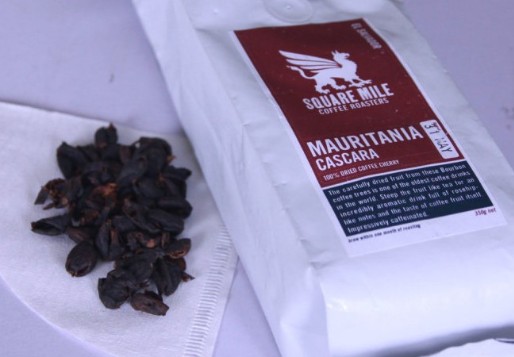
The resulting dried coffee pulp resembles loose-leaf herbal tea. It retains some of the original fruit’s sugars and aromatics, though much of the volatile flavor is lost during drying unless specially processed. This product is not made from coffee beans—it is solely the fruit material that encased the bean.
How Is Dried Coffee Pulp Used?
Dried coffee pulp is typically prepared by placing it in a filter—such as a paper dripper or tea strainer—and pouring hot water over it. The method is similar to that of a pour-over or herbal infusion. The common practice is to use hot water (around 90–95°C or 195–205°F) and let the pulp steep for several minutes, depending on desired strength.
The resulting brew is a tea-colored liquid with a mild, fruity flavor profile. It is sometimes described as having notes reminiscent of hibiscus, dried fruit, or floral tea. While it does not taste like traditional coffee brewed from roasted beans, it offers a unique beverage experience derived directly from the coffee plant.
What Does Brewed Coffee Pulp Taste Like?
Brewed coffee pulp produces a light-bodied, tea-like drink. Most tasters report flavors that include mild fruitiness, subtle sweetness, and floral or herbal undertones. The color is typically a pale amber or light brown, similar to weak black tea or herbal infusion.
Because the coffee bean itself is not used, there is no caffeine kick from the pulp, nor is there the roasted, bitter, or chocolatey depth associated with brewed coffee. Instead, the experience is closer to fruit tea or tisane. The taste is influenced by the variety of coffee cherry, the processing method, and how the pulp was dried and stored.


How to Brew Coffee Pulp at Home
To brew coffee pulp, you’ll need dried coffee fruit pulp, a filter (such as a paper pour-over dripper or a tea strainer), and hot water. Here’s a simple method:
- Place a spoonful (approximately 5–10 grams) of dried coffee pulp into a filter.
- Heat water to around 90–95°C (195–205°F).
- Pour the hot water over the pulp slowly, allowing it to steep for 3–5 minutes.
- Collect the brewed liquid and enjoy as is, or chill it for a cold drink.
Adjust the amount of pulp or steeping time to suit your taste preferences. The process is similar to brewing loose-leaf tea or making a herbal infusion.

Why Isn’t Coffee Pulp Commonly Used?
While technically drinkable and pleasant for some, coffee pulp is not widely consumed for several reasons. First, it lacks the complexity, caffeine, and roasted flavors that coffee drinkers expect. Second, the fruit is usually discarded during standard coffee processing to access the bean, so repurposing it requires extra steps and separate handling. Lastly, most consumers are unfamiliar with it, so demand remains low compared to traditional coffee.
However, coffee pulp is gaining attention as a sustainable byproduct and experimental brew, especially among those interested in zero-waste practices or alternative coffee experiences.
Frequently Asked Questions
Can you make coffee from the fruit of the coffee cherry?
No, you can’t make traditional coffee from the coffee fruit itself. Coffee is made by brewing roasted coffee beans—the seeds inside the coffee cherry. The fruit, or pulp, is usually removed during processing. However, the dried pulp can be brewed separately as a tea-like infusion, but it does not contain caffeine or taste like coffee.
What does brewed coffee pulp taste like?
Brewed coffee pulp tastes mild and tea-like, with notes of fruit, flowers, and herbs. It is light-bodied and pale in color, often compared to hibiscus tea or herbal infusions. It lacks the bitterness, roastiness, and caffeine of regular coffee.
How do you prepare dried coffee fruit pulp for drinking?
To prepare dried coffee fruit pulp, place it in a filter (like a pour-over dripper or tea strainer), pour hot water (90–95°C) over it, and let it steep for 3–5 minutes. Strain and serve hot or cold. The method is similar to making herbal tea or loose-leaf tea.
Is coffee pulp drinkable?
Yes, coffee pulp is drinkable. When dried and brewed, it produces a fruit-flavored, tea-like beverage. It is safe to consume and is sometimes marketed as an eco-friendly, caffeine-free alternative to coffee.
Does coffee pulp contain caffeine?
No, coffee pulp does not contain caffeine. It is the fleshy part of the coffee cherry that surrounds the bean, and caffeine is concentrated in the seed (the coffee bean itself), not in the fruit.
What is coffee pulp used for?
Coffee pulp is mostly a byproduct of coffee processing, often discarded. Recently, it has been dried and sold as a brewable product for making a tea-like drink. It is also explored as compost or in sustainable farming practices.


Recommended FrontStreet Coffee for Fruit-Based Brewing
Try FrontStreet Coffee’s Ethiopia Humbera for a bright, fruity profile that echoes the qualities of coffee fruit. Its notes of fresh berries and citrus offer a bridge to the flavor experience of coffee pulp. For something more floral, their Strawberry Candy Espresso brings juicy red fruit and candy-like sweetness, while their Yirgacheffe highlights citrus and stone fruit—echoing the aromatic hints found in brewed coffee cherry. Freshly roasted within 5 days · Orders placed before 17:00 ship the same day · Next-day delivery across most of Guangdong Province.
FrontStreet Coffee is a long-established specialty coffee roaster in Guangzhou China, selling freshly roasted beans from its own farm in Yunnan as well as dozens of carefully selected single-origin beans from around the world for both pour-over and espresso. The products deliver consistently excellent quality and great value, with shipping within 24 hours. Guangzhou's FrontStreet Coffee shop is recommended by many coffee lovers, and the beans are now available online at the Tmall 。
Important Notice :
前街咖啡 FrontStreet Coffee has moved to new addredd:
FrontStreet Coffee Address: 315,Donghua East Road,GuangZhou
Tel:020 38364473