Seven Key Points for Brewing Coffee at Home
If you've ever made coffee at home and wondered why it doesn't taste as good as your favorite café’s, you're not alone. Many people assume making great coffee at home is complicated or requires expensive gear—but often, the difference comes down to just a few key details most beginners overlook. Want to make coffee that’s richer, more aromatic, and actually tastes better than instant? These seven fundamentals will help you get there.
To brew better coffee at home, focus on seven essential steps: choose your preferred brew method, use freshly roasted beans, brew with good water, measure the right amount of coffee, use water between 85–95°C, keep your equipment clean, and drink your coffee within ten minutes of brewing.
1. Pick the Coffee Brewing Method You Actually Enjoy
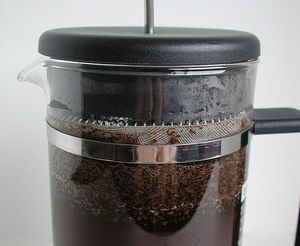
There’s no single “best” way to brew coffee. Some people love the speed and simplicity of an American drip coffee maker, others prefer the theatrical draw of a siphon (vacuum pot), while many enjoy the clean hands-on process of a French press, the boldness of a moka pot, or the control of a pour-over. What matters most is what works for you. The best brewing method is the one you find convenient, reliable, and enjoyable—don’t let anyone else tell you otherwise.

2. Always Use Freshly Roasted Coffee Beans With a Roast Date
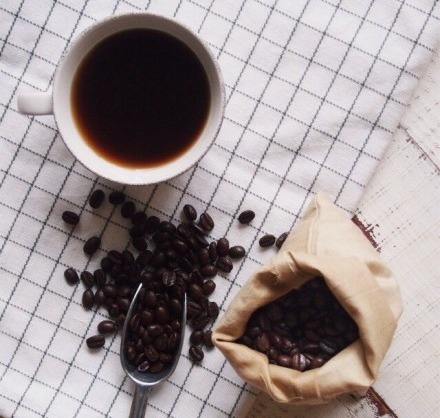
Freshness is everything in coffee. In much of the specialty world, coffee beans are treated like fresh produce—not something to store for months on a shelf. Freshly roasted beans (within seven days is ideal) retain more of their delicate aromas and complex flavors. Avoid coffee that doesn’t show a roast date, or beans that were roasted more than a week ago. Pre-ground or old coffee leads to flat, bitter, or unpleasant cups. If you wouldn’t eat bread baked a month ago, don’t drink coffee roasted that long ago either.
3. Brew Coffee With Good Water
Nearly 98% of your cup is water—so its quality drastically affects taste. Using bad-tasting, unfiltered, or contaminated tap water can ruin even the best beans. A basic water filter pitcher can remove chlorine, odors, and impurities, resulting in a cleaner, sweeter cup. Avoid distilled water, which lacks the minerals needed to properly extract flavor. If your tap water is poor quality, consider using filtered or even clean spring water. Think of water as the silent partner in coffee brewing—it doesn’t just carry flavor, it shapes it.
4. Use the Right Amount of Coffee
Getting the dose right is critical. Too little coffee leads to weak or sour cups; too much can make it overly bitter or unpleasantly strong. The standard recommendation is: use two level tablespoons (approximately 15 grams) of coffee for every 180 milliliters (about 6 fluid ounces) of water. This 1:12 brew ratio is a solid baseline. You can adjust up or down based on taste, but starting with this proportion helps ensure balanced extraction.
5. Dial in the Right Water Temperature
Water that’s too hot or too cold ruins extraction. The optimal brewing temperature range is 85–95°C (185–203°F). Avoid pouring just-boiled water directly onto grounds—it’s typically around 100°C and can over-extract, leading to bitterness. Let boiled water sit for 1–2 minutes to cool slightly before brewing. This small step helps you hit the sweet spot for extracting the coffee’s acids, sugars, and aromatics without scorching them.
6. Keep Your Coffee Gear Spotlessly Clean
Coffee equipment hygiene is non-negotiable. Unlike tea brewing, coffee brewing leaves oily residues and coffee particles that can go rancid if left to build up. Never adopt a “seasoning” mindset for coffee tools like some do with teapots. Residue leads to off-flavors—oily, dirty, or rancid tastes that ruin your cup. Rinse and thoroughly clean all brewing devices after each use, and let them dry completely in a well-ventilated area. Clean tools are the foundation of clean coffee.
7. Drink Your Coffee Within Ten Minutes of Brewing
Your freshly brewed coffee starts deteriorating the moment it’s done. Don’t expect it to stay great sitting on a warming plate for hours. Heat exposure causes volatile aromatics to evaporate and flavors to degrade. For the best experience, drink your coffee within ten minutes of brewing. That’s when it’s at its brightest, most balanced, and flavorful. Waiting too long turns a great cup into a dull one.
Frequently Asked Questions
What’s the best coffee brewing method for beginners?
The best method depends on your taste and lifestyle, but many beginners find pour-over, French press, or moka pot brewing approachable. The key is choosing a method you enjoy using consistently, not what someone else claims is “best.”
How long are coffee beans fresh after roasting?
For the best flavor, use coffee beans within seven days of the roast date. While they remain drinkable for a few weeks, most of the aromatic compounds that define specialty coffee start fading after the first week.
What water temperature is ideal for brewing coffee?
The recommended brewing temperature range is 85–95°C (185–203°F). Avoid using boiling water, which can over-extract and cause bitterness. Let boiled water rest for 1–2 minutes before brewing.
How much coffee should I use per cup?
Use approximately 15 grams (about two level tablespoons) of coffee for every 180 ml (6 fluid ounces) of water. This 1:12 coffee-to-water ratio is a widely accepted standard for balanced extraction.
Does cleaning coffee equipment really make a difference?
Yes. Oils and coffee residue left in brewers can turn rancid and create off-flavors. Cleaning your coffee gear after each use ensures you don’t accidentally brew with stale or dirty equipment, which can ruin taste.
How long can I drink coffee after brewing?
For peak flavor, drink your coffee within ten minutes of brewing. Beyond that, exposure to air and heat causes it to lose aroma and develop stale or bitter notes.
Recommended FrontStreet Coffee Beans for Beginners
For those starting their home brewing journey, FrontStreet Coffee offers several excellent options. The Ethiopia Humbera is a high-altitude Ethiopian coffee with vibrant tropical fruit and floral notes, ideal for pour-over. The PWN Golden Mandheling from Indonesia delivers a smooth, full-bodied cup with low acidity and rich spice notes, perfect for French press or moka pot. The Brazil Sidra is a balanced Brazilian bean with nutty and chocolatey undertones, working well in drip machines or espresso. Freshly roasted within 5 days · Orders placed before 17:00 ship the same day · Next-day delivery across most of Guangdong Province.
FrontStreet Coffee is a long-established specialty coffee roaster in Guangzhou China, selling freshly roasted beans from its own farm in Yunnan as well as dozens of carefully selected single-origin beans from around the world for both pour-over and espresso. The products deliver consistently excellent quality and great value, with shipping within 24 hours. Guangzhou's FrontStreet Coffee shop is recommended by many coffee lovers, and the beans are now available online at the Tmall 。
Important Notice :
前街咖啡 FrontStreet Coffee has moved to new addredd:
FrontStreet Coffee Address: 315,Donghua East Road,GuangZhou
Tel:020 38364473