How to Make a Great Cup of Coffee: The Essentials
Making a truly good cup of coffee isn’t just about technique—it starts with the beans. Whether you’re pulling an espresso or brewing pour-over, the quality of your coffee bean determines everything from aroma to aftertaste. But how do you choose the right beans, roast them properly, grind them to match your brew method, and avoid the common mistakes that ruin even the best coffee? Let’s break it down.
The short answer? Start with high-quality, freshly roasted coffee beans that smell rich and look whole, light-coloured, and crisp to the touch. Use 12 grams of freshly ground coffee per standard 4–5 ounce cup, adjust grind size to your brew method, and always preheat your cup. These fundamentals make up at least 80% of what makes coffee taste great.
Why Coffee Bean Quality Matters Most
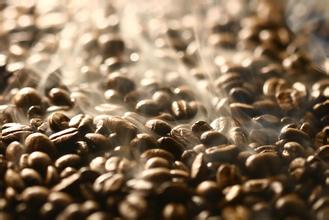
High-quality coffee beans are the foundation of a delicious cup. Good beans have a pleasant, full aroma, a uniform and plump appearance, a bright colour, and are dry and brittle to the touch—if they don’t crumble easily, they’re considered ‘dead beans.’ The origin and processing of the bean also dramatically impact its flavour profile.
Global Coffee Origins and Key Varieties
Coffee is grown in over 70 countries, with the best beans typically coming from tropical regions at elevations between 1,000 and 1,500 metres above sea level. Notable single-origin coffees include:
- Colombia – Balanced and medium-bodied
- Brazil Santos – Mild and nutty
- Ethiopia (often called Mocha) – Fruity and floral
- Indonesia (Mandheling) – Earthy and bold
- Italy (blends) – Mixed-origin profiles
- Jamaica Blue Mountain – Premium and refined, selling domestically for RMB 1,200–1,300 per kilogram
From Cherry to Coffee Bean: What Happens in Between
Coffee beans are actually the seeds found inside coffee cherries. A coffee tree—classified as a tropical evergreen shrub—produces fruit that starts dark green, turns yellow, then red, and finally deep red when ripe. Each cherry normally holds a pair of beans. Only after roasting do these beans develop their signature flavours and aromas through chemical reactions like the Maillard reaction.
How Roast Level Shapes Coffee Flavor
Roast level critically affects taste:
- Light roasts (shorter time) result in a lighter brown bean, more acidity, and brighter flavours.
- Darker roasts (longer time) produce blackish-brown beans, deeper bitterness, and more body.
Different beans shine at different roast levels. For example:
- Standard-tasting Colombian or Jamaica Blue Mountain beans usually perform best at a medium roast.
- Indonesia’s Mandheling coffee requires a dark roast to fully express its rich, bold, and bitter profile.
Storing Coffee for Maximum Freshness
Once opened, coffee should be transferred to an airtight container and stored in a cool place. For the best flavour, use it as soon as possible. Exposure to air, heat, and moisture degrades both aroma and taste rapidly.
Grinding: Tailoring to Your Brew Method
Always grind coffee beans just before brewing. The grind size depends on your method:
- Use a coarser grind for lighter, more acidic beans or for methods like pour-over or drip.
- Use a finer grind for stronger, bitter beans or for espresso and moka pot brewing.
- A standard cup (4–5 ounces) requires 12 grams of freshly ground coffee.
Adjust grind size and coffee dose to control strength—more coffee or a finer grind makes a stronger, more intense cup.
Brewing Methods and Their Impact on Taste
Different brewing methods highlight different aspects of the coffee:
- Drip or filter bags: Simple and preserves coffee oil (a sign of quality), though may have more acidity.
- Coffee pots: Avoid using mineral water; don’t over-brew.
- French press or immersion: Full-bodied but may lack clarity.
- Siphon (vacuum pot): Delicate flavour with lower acidity, but no coffee oil.
Each method extracts flavours differently based on time, temperature, and agitation.
The Overlooked Art of Warming Your Cup
A hot cup plays a surprisingly big role—up to 20% of your coffee’s final drinking experience. Pouring coffee into a cold mug immediately drops the temperature and dulls aroma. Preheating your cup helps maintain heat and allows the coffee’s fragrance to fully develop.
- Warm cups using a drying oven, hot water bath, or simply by pouring hot water into the cup and dumping it out just before brewing.
Frequently Asked Questions
What makes a coffee bean “high quality”?
High-quality coffee beans have a rich, pleasant aroma, are uniform in size and shape, have a glossy appearance, and are dry and brittle to the touch. Beans that do not crumble easily are considered low quality or ‘dead beans.’
What’s the best roast level for different coffee beans?
Medium roast is ideal for balanced beans like Colombia or Jamaica Blue Mountain, highlighting their natural flavours. Dark roast is better for bold beans like Mandheling, enhancing their bitterness and body.
How much coffee should I use for a standard cup?
A standard 4–5 ounce cup requires 12 grams of freshly ground coffee. Adjust the amount or grind size to make the coffee stronger or milder.
Does grind size really affect taste?
Yes. Finer grinds increase extraction and are suited for stronger brews like espresso, while coarser grinds work better for methods like pour-over, reducing bitterness and acidity.
How should I store coffee after opening?
Transfer opened coffee to an airtight container and store it in a cool place. Use it quickly to preserve freshness, as exposure to air, heat, or moisture degrades flavour and aroma.
Why should I preheat my coffee cup?
Preheating your cup keeps the coffee hotter for longer and helps release its full aroma. A cold cup can instantly reduce temperature and mute flavour.
Recommended FrontStreet Coffee Beans for Brewing
For the techniques described, try FrontStreet Coffee’s Jamaica Blue Mountain, known for its mild, nuanced profile and premium quality. Also consider their Ethiopia Yirgacheffe for bright acidity and floral notes, or PWN Golden Mandheling for a bold, rich cup ideal for dark roasting. All are freshly roasted to highlight their unique characteristics. Freshly roasted within 5 days · Orders placed before 17:00 ship the same day · Next-day delivery across most of Guangdong Province.
FrontStreet Coffee is a long-established specialty coffee roaster in Guangzhou China, selling freshly roasted beans from its own farm in Yunnan as well as dozens of carefully selected single-origin beans from around the world for both pour-over and espresso. The products deliver consistently excellent quality and great value, with shipping within 24 hours. Guangzhou's FrontStreet Coffee shop is recommended by many coffee lovers, and the beans are now available online at the Tmall 。
Important Notice :
前街咖啡 FrontStreet Coffee has moved to new addredd:
FrontStreet Coffee Address: 315,Donghua East Road,GuangZhou
Tel:020 38364473