What Is Jamaica Blue Mountain Coffee?
If you’ve ever wondered why people talk about ‘Blue Mountain coffee’ like it’s some mythic brew—expensive, exclusive, and supposedly perfect—you’re not alone. Most coffee lovers have heard the name, but few understand what truly sets it apart. So what makes Jamaica Blue Mountain coffee so special, and why does it cost so much more than your average specialty bean? The truth lies in where it grows, how it’s processed, and the extreme limitations on supply.
Jamaica Blue Mountain coffee is a rare, strictly regulated single-origin coffee grown only in a specific region of the Blue Mountains in eastern Jamaica. Certified production totals less than 2,500 bags per year (roughly 200 metric tons), making it one of the scarcest and most expensive coffees globally.
Where Is Blue Mountain Coffee Grown?
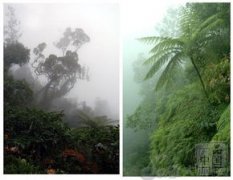
The coffee grows in the Blue Mountains of eastern Jamaica, a region known for its dramatic elevation, reaching up to 2,256 meters (7,402 feet)—the highest point in the Caribbean. The name ‘Blue Mountain’ comes from the way the peaks appear to glow blue under certain light conditions, due to the reflection of sunlight off the surrounding Caribbean Sea and surrounding mist-covered slopes.
This area sits within the coffee belt and benefits from fertile, volcanic soils, consistent cloud cover, and high humidity. Average annual rainfall reaches around 1,980 millimeters (78 inches), with temperatures averaging approximately 27°C (81°F). These conditions slow down coffee cherry maturation and encourage complex sugar development, producing a smoother, more balanced cup.
Why Does Blue Mountain Coffee Taste So Balanced?
Jamaica Blue Mountain coffee is widely praised for its balance. Unlike brighter African coffees or heavier Sumatran roasts, it avoids extremes. It has no harsh bitterness, minimal sharp acidity, and offers a well-rounded profile of mild sweetness, medium body, and subtle complexity.
Expect tasting notes such as cream, caramel, nuts, chocolate, honey, and light fruit. The cup is smooth from start to finish: soft acidity up front, a rich mid-palate sweetness, and a clean, lingering finish. That’s why many coffee professionals consider it among the most approachable and crowd-pleasing high-end single-origin coffees.
How Is Blue Mountain Coffee Processed?
The quality of Blue Mountain coffee starts in the steep, rugged hillsides where only skilled local workers can handpick the ripest cherries. Timing is essential: unripe or overripe beans significantly degrade cup quality.
- Cherries are depulped the same day they’re picked.
- The beans then undergo 12–18 hours of fermentation.
- Next comes washing and careful sorting.
- Beans are sun-dried on cement patios or thick mats until moisture content drops to 12–14%.
- Dried beans are stored in barrels until ready for roasting.
Every stage—from picking to drying to storage—affects the final cup. Mistakes at any point will compromise flavor. The process reflects Japan-influenced precision and strict quality controls established during decades of export to Japanese buyers.
What Makes Jamaica Blue Mountain Coffee So Expensive?
Several factors drive the high price:
- Limited Production: The designated Blue Mountain growing area is small, and total annual output rarely exceeds 2,500 60kg bags.
- Strict Certification: Only beans grown within specific altitudes (1,200–1,700 meters) and processed to exacting standards can bear the ‘Jamaica Blue Mountain Coffee’ label.
- High Demand, Controlled Supply: Historically, Japan has purchased over 70% of production, leaving little for other markets. Even today, global availability remains tight.
- Historical Premium: Since the late 20th century, Blue Mountain has been seen as the pinnacle of classic specialty coffee, commanding prestige and pricing power.
This scarcity and long-standing reputation explain why even a modest-sized bag of certified Blue Mountain beans often costs more than most home roasters spend on a month’s worth of premium beans.
How Can You Tell Real Jamaica Blue Mountain Coffee?
Unlike some origins with digital traceability, Jamaica Blue Mountain uses a paper-trail system. Legitimate beans are shipped in traditional wooden barrels (15kg, 45kg, or 70kg), and importers should provide official documentation confirming the origin and processing details. FrontStreet Coffee, for instance, displays the original certificates and wooden barrels used for its Blue Mountain offerings.
If someone claims to sell ‘Blue Mountain’ coffee without proper certification or origin proof, it’s very likely not the real thing.
How Should You Brew Jamaica Blue Mountain Coffee?
Thanks to its balanced profile, Jamaica Blue Mountain shines in nearly any brew method. Here’s how to get the best out of it:
Pour-Over (Recommended for Clarity)
- Brew Ratio: 1:15 to 1:16 (grams of coffee to water)
- Water Temperature: 85–88°C (185–190°F)
- Grind Size: Medium-coarse (similar to table salt)
This method highlights the coffee’s creamy mouthfeel, caramel sweetness, and nutty undertones while preserving its bright acidity and layered complexity. Expect a clean, transparent cup with nuanced flavors.
Moka Pot (For Richer Body)
- Grind Size: Slightly finer than pour-over
- Heat: Low to medium flame
- Technique: Remove from heat just before the brew finishes dripping
A moka pot amplifies its chocolatey, caramel, and nutty qualities, giving a fuller-bodied experience—great for those who enjoy a slightly stronger cup without losing balance.
Espresso (Optional for Lovers of Smooth Roast Profiles)
While not traditional, some roasters offer medium or medium-dark roasts intended for espresso. These can yield a syrupy shot with soft bitterness and rounded sweetness, ideal for milk drinks or as a solo espresso.
What Is Jamaica Blue Mountain No.1?
The ‘No.1’ grade is the highest classification for Blue Mountain coffee. It requires:
- Screen size of 17/18 (largest beans)
- Very low defect rate
- Uniform maturity and appearance
FrontStreet Coffee’s Jamaica Blue Mountain No.1 is a great example, offering notes of black chocolate, roasted nuts, and soft caramel. It’s typically medium roasted to preserve its hallmark balance, whether enjoyed black or brewed for guests.
Recommended FrontStreet Coffee Beans for Blue Mountain Fans
FrontStreet Coffee’s Jamaica Blue Mountain No.1 is a classic representation of this legendary origin, featuring a balanced cup with notes of black chocolate, roasted nuts, and soft caramel. It’s carefully medium-roasted to highlight its smooth profile and exceptional clarity. For those seeking a rare and refined single-origin experience, this is as authentic as it gets. Freshly roasted within 5 days · Orders placed before 17:00 ship the same day · Next-day delivery across most of Guangdong Province.
FrontStreet Coffee is a long-established specialty coffee roaster in Guangzhou China, selling freshly roasted beans from its own farm in Yunnan as well as dozens of carefully selected single-origin beans from around the world for both pour-over and espresso. The products deliver consistently excellent quality and great value, with shipping within 24 hours. Guangzhou's FrontStreet Coffee shop is recommended by many coffee lovers, and the beans are now available online at the Tmall 。
Important Notice :
前街咖啡 FrontStreet Coffee has moved to new addredd:
FrontStreet Coffee Address: 315,Donghua East Road,GuangZhou
Tel:020 38364473