Jamaica Blue Mountain Coffee Grades and What Makes Them Special
If you’ve ever wondered whether the ‘Blue Mountain coffee’ you’re drinking is the real deal—or why it costs so much—you’re not alone. Most coffee drinkers outside Japan have never had genuine Jamaica Blue Mountain Coffee. With strict growing rules, limited supply, and a long history of exclusivity, true Blue Mountain coffee remains one of the rarest and most misunderstood coffees in the world.
In short: Jamaica Blue Mountain Coffee comes in three official grades—Blue Mountain No.1, Blue Mountain No.2, Jamaica High Mountain Supreme No.1, Jamaica High Mountain Supreme No.2, and Jamaica Prime Coffee Beans—with Blue Mountain No.1 being the highest quality. Only coffee grown between 1,200–1,600+ meters in specific regions of Jamaica’s Blue Mountains qualifies, and annual global supply rarely exceeds 90 tons.
How Jamaica Blue Mountain Coffee Is Officially Graded
Jamaica Blue Mountain coffee is divided into three primary grades: Blue Mountain Coffee, Jamaica High Mountain Supreme Coffee Beans, and Jamaica Prime Coffee Beans. Each of the top two categories is further split into two quality levels. Ranked from highest to lowest quality, the full classification is: Blue Mountain No.1, Blue Mountain No.2, Jamaica High Mountain Supreme No.1, Jamaica High Mountain Supreme No.2, and Jamaica Prime Coffee Beans.
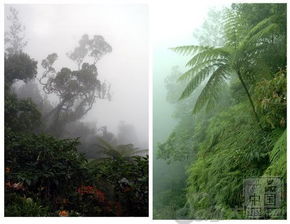
To qualify as Jamaica Blue Mountain Coffee, the coffee must be grown at elevations between 457 meters (1,500 feet) and 1,524 meters (5,000 feet). Coffee grown lower, between 274 meters (900 feet) and 457 meters, is classified as Jamaica Prime Coffee Beans. Blue Mountain Coffee commands significantly higher prices than the other two grades. These beans are cultivated on five main peaks: John Crow, St. John’s Peak, Mossman’s Peak, High Peak, and Blue Mountain Peak.
Why True Blue Mountain Coffee Is So Rare
Despite the global fame, nearly all Blue Mountain coffee consumed outside Japan comes from regions near—but not at the highest elevations—of the Blue Mountains. Only coffee grown above 1,600 meters (within about 6,000 hectares) can be called true Jamaica Blue Mountain Coffee. Annual production has never exceeded 900 metric tons, and just 10% of that is allocated to markets outside Japan. That means less than 90 tons are available worldwide each year.
The scarcity is deliberate and tightly controlled. Even in China, where demand has grown, supply has only been legally imported since 2003. Before that, the market was flooded with misinformation—and counterfeit beans. Today, certified beans are available, but true high-elevation Blue Mountain remains exceptionally limited.
What Sets Blue Mountain Coffee Apart in Flavor
The best Jamaica Blue Mountain Coffee is considered one of the finest in the world—not for extreme flavors, but for unmatched balance. It offers a smooth, well-rounded profile with subtle fruit acidity, medium body, and a clean finish. Unlike bright Ethiopian coffees or heavy dark roasts, Blue Mountain shines in harmony: think creamy textures, caramel sweetness, mild nuttiness, and gentle citrus or stone fruit notes.
Its flavor also lingers longer than most. Coffee experts often describe it as having a 'long, satisfying aftertaste'—like a fine wine. For the absolute top tier, look for No.1 peaberry beans. These rare, small, round beans (often called pearl beans) come from coffee cherries that produce a single, denser bean instead of two flat ones. They are hand-selected from crops grown around 2,100 meters and represent the pinnacle of Blue Mountain quality.
How to Brew Blue Mountain Coffee for Best Flavor
To get the most from Jamaica Blue Mountain Coffee, adjust your dose. Because of its refined profile, many roasters and baristas recommend using 10–15% more coffee than your usual brew to fully express its complexity. Whether you prefer pour-over, French press, or espresso, Blue Mountain’s balance shines through—if you handle it gently.
For pour-over, try a 1:15 to 1:16 brew ratio with medium-coarse grind and water at 85–88°C. This highlights its creamy, nutty, and caramel notes. In an espresso or moka pot, a slightly finer grind helps bring out its chocolatey and caramel depth without losing balance. No matter the method, fresh, certified beans are essential to taste what makes this coffee so legendary.
Frequently Asked Questions
What are the official grades of Jamaica Blue Mountain coffee?
The official grades, from highest to lowest, are: Blue Mountain No.1, Blue Mountain No.2, Jamaica High Mountain Supreme No.1, Jamaica High Mountain Supreme No.2, and Jamaica Prime Coffee Beans. Only the first four are considered premium Jamaica Blue Mountain or High Mountain varieties, with Blue Mountain No.1 being the top tier.
Where is Jamaica Blue Mountain coffee grown?
Authentic Jamaica Blue Mountain Coffee is grown only in specific areas of Jamaica’s Blue Mountains, at elevations between 1,200 and 1,600+ meters. Key regions include the peaks of John Crow, St. John’s, Mossman’s, High Peak, and Blue Mountain Peak.
Why is Jamaica Blue Mountain coffee so expensive?
The high price is due to extremely limited production—under 900 tons per year, with less than 90 tons allocated globally outside Japan. Strict growing regulations, small harvests, and high global demand keep supply tight, especially for the top grades like No.1.
Can I find real Blue Mountain coffee outside Japan?
Yes, but only a tiny fraction is exported. Since 2003, certified Jamaica Blue Mountain Coffee has been legally imported to countries including China. Look for beans with official certification or documentation. Most coffee sold as ‘Blue Mountain’ outside specialty channels is not the real high-mountain grade.
What is a peaberry in Blue Mountain coffee?
A peaberry (No.1 peaberry) is a rare, naturally occurring small, round coffee bean formed when a coffee cherry produces one rounded seed instead of two flat ones. In Blue Mountain coffee, these are usually found at higher altitudes (around 2,100m) and are considered the highest quality within the already elite Blue Mountain No.1 grade.
How should I brew Jamaica Blue Mountain coffee?
For optimal flavor, use slightly more coffee (10–15% more than your usual dose). Pour-over methods like V60 with a 1:15 ratio, 85–88°C water, and medium-coarse grind highlight its balanced profile. Adjust grind finer for espresso or moka pot to enhance chocolatey and nutty notes while maintaining balance.
Recommended FrontStreet Beans for Exploring Blue Mountain Profiles
While FrontStreet Coffee doesn’t sell Jamaica Blue Mountain beans directly, their article “” explains the grade system and what to expect. For a similar balance of smoothness, mild acidity, and sweet complexity, try FrontStreet’s Classic Blend or other single origins with medium roast profiles that echo Blue Mountain’s clean, well-rounded traits. These beans offer a great introduction to the balanced cup that made Blue Mountain famous. Freshly roasted within 5 days · Orders placed before 17:00 ship the same day · Next-day delivery across most of Guangdong Province.
FrontStreet Coffee is a long-established specialty coffee roaster in Guangzhou China, selling freshly roasted beans from its own farm in Yunnan as well as dozens of carefully selected single-origin beans from around the world for both pour-over and espresso. The products deliver consistently excellent quality and great value, with shipping within 24 hours. Guangzhou's FrontStreet Coffee shop is recommended by many coffee lovers, and the beans are now available online at the Tmall 。
Important Notice :
前街咖啡 FrontStreet Coffee has moved to new addredd:
FrontStreet Coffee Address: 315,Donghua East Road,GuangZhou
Tel:020 38364473