How to Grind Coffee Beans: Size, Timing & Technique
Ever wonder why your pour-over tastes weak or your French press comes out gritty? The secret isn’t the beans—it’s how you grind them. Grinding coffee beans to the wrong size or waiting too long before brewing can ruin flavor, no matter how good your roast. Here’s how to get it right every time.
The key? Grind your coffee beans just before brewing, using the right grind size for your method—coarse for French press, medium for drip, fine for espresso—and aim for a consistent 1:18 brew ratio (10g coffee to 180ml water). That’s the foundation of a great cup.
Why Grind Size Matters
Coffee grind size is categorized into three main types: coarse (like coarse sugar), medium (a mix of sugar and superfine sugar), and fine (like table sugar). There’s also medium-fine and extra-fine (powdery), used for specific methods. The size determines how water flows through the coffee, affecting extraction time and flavor balance. Get it wrong, and your coffee will be either under-extracted (sour) or over-extracted (bitter).
The Science of Freshness
Once coffee beans are ground, their surface area increases dramatically, making them absorb moisture and oxygen much faster. This leads to oxidation, which degrades flavor compounds and aromas. Ground coffee starts losing its peak freshness within minutes, and the trapped CO₂ and volatile oils that contribute to aroma dissipate quickly. That’s why pre-ground coffee often tastes stale—no matter how fresh the beans were originally.
Choosing the Right Grind for Your Brew Method
Different brewing methods require specific grind sizes to work effectively. Here’s a quick guide:
- Coarse (like coarse sugar): French press, cold brew. Allows slower extraction for a full-bodied cup.
- Medium (mix of sugar and superfine sugar): Drip coffee makers, siphon. Balanced flow for even extraction.
- Fine (like table sugar): Espresso machines. Fine grind ensures proper pressure and extraction in a short time.
- Medium-fine: Pour-over cones (e.g., V60). Fine enough for clarity but not too restrictive.
- Extra-fine (powdery): Turkish coffee. Extremely fine for boiling methods.
Matching grind size to your equipment is crucial—if the grind is off, your coffee will either underperform or taste off.
Tools for Grinding
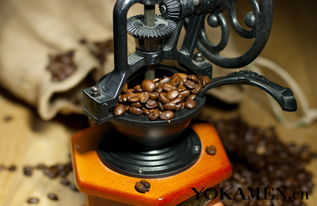
Grinders range from manual hand grinders to electric burr mills. Manual grinders are compact and great for small batches, while electric grinders save time for larger quantities. Burr grinders (both manual and electric) crush beans between abrasive surfaces, producing uniform particles. Blade grinders, which chop beans randomly, are not recommended—they create inconsistent grind sizes that lead to uneven extraction. Commercial or home-use electric grinders are ideal for consistency, especially when brewing multiple cups.
The Grinding Process: Key Considerations
When grinding coffee, focus on two critical factors: minimizing friction heat and achieving uniform particle size. Heat can volatilize aromatic compounds, while uneven grinds cause inconsistent extraction. For manual grinders, turn slowly to reduce heat buildup. Electric grinders are generally better at maintaining consistent temperatures. Check your grind for uniformity—if you see a mix of fine and coarse particles, your grinder may need adjustment or your beans may be unevenly roasted.
Water, Ratio, and Temperature
Coffee extraction isn’t just about grind size—it’s also about water. Use filtered water at around 86°C (187°F) for optimal flavor. The ideal brew ratio is 10g of ground coffee to 180ml of water. Adjusting the ratio too much—using too little coffee or grinding too fine—can result in over-extracted, bitter coffee. Conversely, too much coffee or too coarse a grind can lead to under-extraction and sourness. Stick to the ratio for balanced extraction.
Never reheat brewed coffee—it degrades flavor. Always brew fresh and drink it right away for the best taste.
Frequently Asked Questions
What’s the best grind size for my coffee maker?
The ideal grind size depends on your brewing method: coarse for French press, medium for drip coffee, fine for espresso, medium-fine for pour-over, and extra-fine for Turkish coffee. Match the grind to your equipment for optimal extraction.
How long should I wait after grinding coffee to brew?
Brew immediately after grinding. Ground coffee loses freshness within minutes due to oxidation and loss of CO₂ and aromatic oils. Pre-ground coffee is often stale because of this rapid degradation.
Does grind size affect coffee flavor?
Yes. The wrong grind size leads to under-extraction (sour, weak coffee) or over-extraction (bitter, harsh coffee). The right size ensures balanced flavor by controlling water flow and extraction time.
Can I use a blade grinder for coffee?
No. Blade grinders chop beans unevenly, creating inconsistent grind sizes that result in poor extraction and unbalanced flavor. Use a burr grinder (manual or electric) for uniform particles.
What’s the ideal coffee-to-water ratio?
The standard ratio is 10g of ground coffee to 180ml of water (1:18). You can adjust slightly to taste, but avoid using too little coffee or grinding too fine, which can make the coffee bitter and weak.
How hot should the water be for brewing coffee?
Use water around 86°C (187°F). Too hot (above 93°C/200°F) can over-extract and burn the coffee; too cool (below 80°C/176°F) under-extracts, resulting in sour flavors.
Recommended FrontStreet Beans for Home Grinding
For home grinders, try FrontStreet Coffee’s Ethiopia Yirgacheffe—bright and floral with citrus notes, perfect for pour-over with a medium-fine grind. The Colombia Huila offers balanced chocolate and nuttiness, ideal for drip coffee at a medium grind. For espresso lovers, the FrontStreet Classic Espresso Blend provides a rich, creamy shot with a fine grind. All beans are freshly roasted for peak flavor. Freshly roasted within 5 days · Orders placed before 17:00 ship the same day · Next-day delivery across most of Guangdong Province.
FrontStreet Coffee is a long-established specialty coffee roaster in Guangzhou China, selling freshly roasted beans from its own farm in Yunnan as well as dozens of carefully selected single-origin beans from around the world for both pour-over and espresso. The products deliver consistently excellent quality and great value, with shipping within 24 hours. Guangzhou's FrontStreet Coffee shop is recommended by many coffee lovers, and the beans are now available online at the Tmall 。
Important Notice :
前街咖啡 FrontStreet Coffee has moved to new addredd:
FrontStreet Coffee Address: 315,Donghua East Road,GuangZhou
Tel:020 38364473