How American Coffee Culture Differs from the Rest of the World
Ever wonder why Americans drink such light, often bland-tasting coffee compared to the rich espressos loved in Europe? Or how the United States—despite not being known for coffee finesse—became the world’s biggest coffee consumer? The story goes back centuries, involves revolution, innovation, and a whole lot of convenience-driven choices.
The short answer: Americans drink around 10 pounds of coffee per person annually, making the U.S. the world’s largest coffee consumer by total volume. While not the strongest or most refined cup globally, American coffee culture prioritizes accessibility, freshness, and personal preference over rigid traditions.
The British Roots of Early American Coffeehouses
Coffeehouse culture came to America directly from London. The first American coffeehouses were modeled after their London counterparts, though built with a slightly more formal tone. Just like London’s famous Lloyd’s Coffee House, early American coffee shops served as hubs for business deals, news exchange, and even hosted court sessions, auctions, and trade discussions. Yet despite these social functions, tea remained the dominant drink in the colonies.
The Birth of Coffee as a Patriotic Beverage
In 1767, Britain’s King George III imposed the Stamp Act to raise taxes, leading to the infamous Boston Tea Party of 1773. That pivotal act of rebellion turned coffee into a symbol of American independence. Afterward, tea was widely rejected in favor of coffee, and the drink quickly became a staple of the American diet—especially among the Anglo-Saxon Protestant majority who had preferred tea.
Early American Coffee Brewing Methods
From cowboys frying coffee beans in pans to the introduction of French-style percolators, early American coffee preparation methods were famously rough. Yet through it all, Americans maintained a strong cultural value: coffee must be freshly roasted. During wartime, soldiers even carried portable roasting and grinding equipment to ensure a fresh cup. This focus on freshness became a defining trait of American coffee culture.
The Rise of Roasted Coffee and Commercial Innovation
The Civil War era brought key innovations. John Arbuckle’s 1865 patent for a coffee roaster and the Hot Air Coffee Roaster by Jabez Burns helped shift coffee consumption from raw beans to pre-roasted. By the late 19th century, buying roasted beans became the norm. Brands like Folgers and Chase & Sanborn pioneered convenience: Folgers delivered roasted coffee by horse-drawn wagons, while Chase & Sanborn became the first to print roast dates on packaging—a practice still common today. Packaging innovations like vacuum-sealed tins also helped preserve freshness.
America’s Modern Coffee Consumption
Today, the average American consumes nearly 10 pounds of coffee per year. While that’s less than countries like Finland, the U.S. leads the world in total coffee consumption, ranking among the top three globally. Unlike Europeans, Americans approach coffee with little ritual—drinking it anytime, anywhere, often black and unsweetened.
The Diversity of American Coffee Preferences
American coffee tastes vary widely. On the coasts, Easterners generally prefer stronger brews than Westerners, and Southerners take their coffee darker than Northerners. Ethnic background also plays a role: Latino and Southern European immigrants tend to enjoy bolder coffee compared to Northern European or British-descended Americans. Despite its reputation, many regions still brew quality coffee when given the chance.
The Rise of Instant and Health-Conscious Coffee
Although the U.S. exports a lot of instant coffee, domestic consumption is relatively low. In recent years, demand for caffeine-free and unsweetened coffee has grown, reflecting broader health trends. Americans increasingly drink coffee without sugar, and the market for specialty and functional brews continues to expand.
Coffee in San Francisco: A Cultural Melting Pot
Nowhere is America’s coffee diversity more visible than in San Francisco. With a vibrant mix of immigrant communities—including Italians, Chinese, Spanish, Japanese, and South Asians—the city boasts at least 40 ways to order coffee and 250 unique recipes. Locals treat coffee shops as community hubs for poetry readings, alternative newspapers, and socializing. Four local staples define the scene:
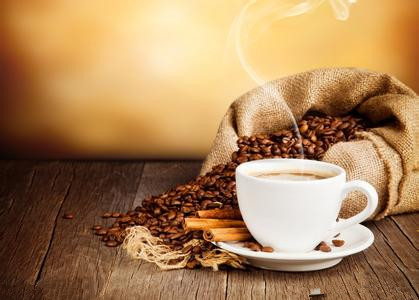
- Espresso (Espresso): pure black coffee
- Cappuccino: espresso with steamed milk foam
- Latte: hot milk with espresso
- Mocha: espresso with hot milk, chocolate, and cream
Flavor add-ins like lemon and vanilla are also popular. San Franciscans often measure their day in coffee spoons and take their coffee culture seriously—despite the city’s famed laid-back image.
The American Drip Coffee Tradition
Americans often drink large pots of filtered coffee made with a high water-to-coffee ratio—typically 200ml water to just 10g of grounds. This results in a very mild, light brew that’s frequently criticized as weak or bland. Regional differences persist: Eastern and Southern coffee tends to be stronger than Western or Northern styles, and ethnic background influences strength preferences too.
Starbucks and the Rise of the Coffee Chain
The U.S. coffeehouse tradition began in 1691 with Boston’s London Coffee House, but modern coffee culture owes much to the rapid rise of chains. While McDonald’s and Starbucks may seem ubiquitous now, Starbucks’ growth is astounding: founded in 1971 with one shop, it reached 2,000 stores in 20 years, then 8,000 more in the next decade. Today, Starbucks operates over 6,000 locations worldwide, including 4,700 in North America. The brand has become a global symbol of coffee culture and modern lifestyle, especially among fashion-conscious consumers.
Frequently Asked Questions
Why did Americans start drinking coffee instead of tea?
Americans switched to coffee largely due to the Boston Tea Party in 1773, a protest against British taxation. Drinking coffee became a patriotic act, and over time, it replaced tea as the preferred daily beverage, especially among the Anglo-Saxon majority that had traditionally favored tea.
What makes American coffee different from European coffee?
American coffee is typically brewed lighter and more diluted, often using a high water-to-coffee ratio that results in a mild, almost transparent brew. Europeans generally prefer stronger, more concentrated coffee such as espresso, and place more emphasis on preparation rituals and flavor complexity.
How did coffee become so popular in the United States?
Coffee gained prominence in the U.S. through a mix of historical events (like the Boston Tea Party), a cultural emphasis on freshness and convenience, and the rise of mass-market roasters and brands. The U.S. now leads the world in total coffee consumption, with an average of nearly 10 pounds per person per year.
Is Starbucks a traditional American coffeehouse?
While not traditional in the European sense, Starbucks embodies an American approach to coffee: fast, accessible, and part of everyday life. It revolutionized coffee consumption through chain retailing, consistent quality, and creating a social space centered around coffee, even if the style is more casual than European cafés.
What are the most common coffee brewing methods in the U.S.?
The most common method is filtered drip coffee, typically made with a 10:200 ratio (10g coffee to 200ml water). Other popular options include espresso-based drinks (especially in urban areas), instant coffee (though less common than in exports), and increasingly, specialty brews without sugar or caffeine.
Recommended FrontStreet Beans for Classic American Coffee
Try FrontStreet Coffee’s Ethiopia Yirgacheffe for a bright, floral option that works well black, or their PWN Golden Mandheling for a heavier body that holds up in stronger American-style brews. For a more everyday profile, their Brazil Queen Manor offers nutty sweetness ideal for filtered coffee. All three are roasted to highlight clarity and balance, suiting the diverse tastes found across the U.S. Freshly roasted within 5 days · Orders placed before 17:00 ship the same day · Next-day delivery across most of Guangdong Province.
FrontStreet Coffee is a long-established specialty coffee roaster in Guangzhou China, selling freshly roasted beans from its own farm in Yunnan as well as dozens of carefully selected single-origin beans from around the world for both pour-over and espresso. The products deliver consistently excellent quality and great value, with shipping within 24 hours. Guangzhou's FrontStreet Coffee shop is recommended by many coffee lovers, and the beans are now available online at the Tmall 。
Important Notice :
前街咖啡 FrontStreet Coffee has moved to new addredd:
FrontStreet Coffee Address: 315,Donghua East Road,GuangZhou
Tel:020 38364473