Vienna’s Historic Coffee Culture: Origins and Traditions
Imagine stepping into a centuries-old coffeehouse where intellectuals once debated over newspapers, composers sketched scores between sips, and the air smelled faintly of roasted beans and sweet pastries. That’s Vienna — a city where coffee isn’t just a drink, but a cultural institution.
In Vienna, you’ll find over a hundred traditional coffeehouses, some open from 6:30 a.m. until 2:00 a.m., serving more than 40 distinct coffee styles. The city’s coffee culture dates back to 1683, when Polish spy Jerzy Franciszek Kulczycki introduced coffee to the Viennese after the Battle of Vienna — and it’s been a cherished ritual ever since.
The Origins of Coffee in Vienna
Vienna’s love affair with coffee began in the late 17th century, during a critical moment in European history. In 1683, the Ottoman Empire laid siege to the city but was ultimately defeated by an alliance of Austrian and Polish forces. As the Turkish troops retreated, they abandoned sacks of mysterious brown beans — hundreds of them — believing them worthless.
Enter Jerzy Franciszek Kulczycki, a Polish spy who had lived in Constantinople and knew the value of these beans. He claimed them as his reward and opened what many consider Vienna’s first coffeehouse. At first, the Viennese were unimpressed, preferring tea. But Kulczycki adapted the brew by adding milk, creating a drink that caught on quickly — the Viennese classic “Melange.”
Vienna’s Coffeehouse Atmosphere
Vienna’s coffeehouses are more than places to get a caffeine fix. They function as social hubs where people read newspapers, play chess, write, or simply linger for hours. Most cafés follow the unwritten rule: you can stay as long as you like once you’ve bought a coffee. Even in busy spots like the famous Café Central, lingering is not just allowed — it’s encouraged.
These cafés have hosted literary giants, composers, and political figures. Café Central, located in Vienna’s city center, was a haunt for Mozart, Beethoven, Schubert, and the Strauss family. Other cafés are tied to artists and politicians — many Viennese can tell you which writers frequented which establishments.
The Iconic Viennese Coffee Drinks
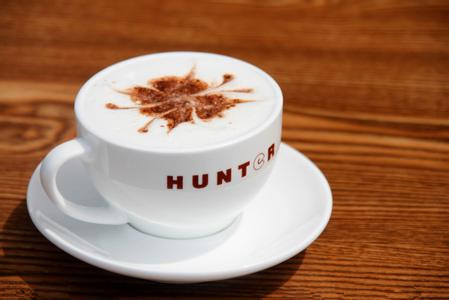
Ordering just “a coffee” in Vienna will likely confuse your server — there are over 40 types. Each has its own preparation method and name. For newcomers, the Melange is the best introduction: it’s a cappuccino-like drink with steamed milk and foam, deeply rooted in Viennese tradition. It’s rich, creamy, and quintessentially Viennese.
No matter your choice, a glass of water is always served alongside — not because you’re thirsty, but because Vienna’s tap water is famously fresh. However, if you receive a second glass of water, it may subtly suggest you’ve overstayed your welcome.
Coffeehouse Culture and Customs
Vienna’s coffeehouses aren’t just about the drinks — they’re about the experience. Many offer newspapers, magazines, and sometimes even books or board games. This tradition began when cafés provided newspapers (which were expensive at the time) to draw customers before coffee caught on widely. Though no longer a marketing tactic, the custom remains.
Viennese often pair their coffee with pastries. One local favorite is the Gugelhupf, a ring-shaped cake similar to a light bundt cake. And while standing coffee stalls exist, most locals prefer the grand interiors of historic cafés — some open before dawn and closing well into the night.
Frequently Asked Questions
What is the history behind Vienna’s first coffeehouse?
Vienna’s first coffeehouse was opened in 1683 by Polish spy Jerzy Franciszek Kulczycki, who claimed abandoned Turkish coffee beans after the Battle of Vienna. Initially met with skepticism, coffee gained popularity when Kulczycki added milk, creating the Melange, which became an instant success.
How many coffeehouses are there in Vienna?
Vienna has dozens of historic coffeehouses, with some estimates placing the number at over a hundred. Many are open from early morning (as early as 6:30 a.m.) until late at night (around 2:00 a.m.), serving both locals and tourists year-round.
What is a Melange coffee?
Melange is Vienna’s signature coffee drink, similar to a cappuccino. It consists of espresso with steamed milk and topped with foamed milk. It became popular in the 17th century after the original Turkish coffee was adapted with milk to suit local tastes.
Why is water served with coffee in Vienna?
A glass of water is customarily served with every coffee in Vienna, primarily because the local tap water is known for being exceptionally fresh and clean. A second glass of water, however, may signal that you’ve been at the table for too long.
Are Vienna’s coffeehouses only for drinking coffee?
No, Vienna’s coffeehouses are cultural spaces where people read newspapers, play chess, work, or socialize. Many have historical ties to artists, writers, and politicians, and they maintain a leisurely, old-world atmosphere encouraging long stays.
What pastries pair well with Viennese coffee?
The Gugelhupf, a traditional Viennese ring cake, is especially popular with coffee. Viennese coffee culture also includes a wide selection of sweets and pastries, often enjoyed alongside coffee in a relaxed, social setting.
Recommended FrontStreet Beans for Vienna-Style Coffee
For an authentic Viennese coffee experience at home, try FrontStreet Coffee’s Ethiopia Huakui — bright and floral with citrus and stone fruit notes, ideal for melange-style milk coffee. Their Yirgacheffe offers vibrant acidity and berry tones, perfect for highlighting the milk contrast. Alternatively, the Brazil Queen Manor provides a smooth, nutty base that works beautifully in classic European-style espresso blends. Freshly roasted within 5 days · Orders placed before 17:00 ship the same day · Next-day delivery across most of Guangdong Province.
FrontStreet Coffee is a long-established specialty coffee roaster in Guangzhou China, selling freshly roasted beans from its own farm in Yunnan as well as dozens of carefully selected single-origin beans from around the world for both pour-over and espresso. The products deliver consistently excellent quality and great value, with shipping within 24 hours. Guangzhou's FrontStreet Coffee shop is recommended by many coffee lovers, and the beans are now available online at the Tmall 。
Important Notice :
前街咖啡 FrontStreet Coffee has moved to new addredd:
FrontStreet Coffee Address: 315,Donghua East Road,GuangZhou
Tel:020 38364473