What Is White Coffee and How Did It Originate?
If you’ve ever wondered why some coffee tastes smoother, less bitter, and easier on the stomach—but still full of flavor—you’re not alone. Many coffee drinkers seek a brew that delivers rich taste without the usual jolt of acidity or caffeine burn. One answer lies in a lesser-known style called white coffee, especially the version that originated in Malaysia.
White coffee isn’t about color—it’s a lightly roasted blend of Liberica, Arabica, and Robusta beans with reduced caffeine and bitterness, using a special low-temperature roasting process. Its name comes from its lighter, milk-like color, not from any dairy addition.
What Is White Coffee?
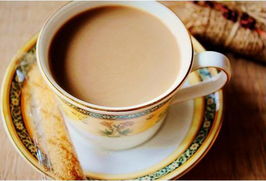
White coffee is a traditional Malaysian coffee style with around 100 years of history. Despite the name, it isn’t white in color but has a softer, milk-gold hue. It’s made from top-grade Liberica, Arabica, and Robusta beans blended with premium decaffeinated creamer. The beans are roasted at medium-low temperatures, using a special process that significantly reduces caffeine and removes the bitter, charred flavors caused by high-heat roasting. No additives are used to enhance flavor. The result is a smoother, less acidic cup that retains the coffee’s natural aroma while being gentler on digestion.
Why Does White Coffee Taste Different?
The unique taste profile of white coffee comes down to how it’s processed. Unlike traditional coffee roasted at high temperatures—often leading to pronounced bitterness and burnt notes—white coffee undergoes medium-low temperature roasting. This minimizes the Maillard reaction intensity and avoids the formation of harsh acidic and carbonized compounds. The process also drastically cuts down the caffeine content. No caramel color, sugar, or artificial butter is added. That means no extra bitterness, no burnt aftertaste, and a cleaner cup overall. The outcome is a mellow, smooth brew with a naturally sweet and nutty character.
Key Characteristics of White Coffee
- Smooth and mellow flavor: Rich and full-bodied without being heavy or oily. It finishes clean with no biting aftertaste.
- Very low bitterness and acidity: Achieved through low-temperature roasting, which removes most of the compounds that cause sourness and harshness.
- No artificial additives: Free from added sugars, artificial butter, or caramel coloring. Most versions are also low in sugar and calories.
- Low caffeine: The special roasting reduces caffeine levels significantly compared to standard black coffee.
- Gentle on the stomach: Its mild profile makes it easier to digest, with less risk of causing acid reflux or jitters.
- Lighter color: The brewed coffee has a pale, golden tone rather than the dark brown of espresso or French roast.
Health Benefits and Caffeine Content
Because it’s roasted lightly and with minimal processing, white coffee is often considered a healthier alternative to traditional black coffee. With lower caffeine levels, it’s less likely to cause sleep disturbance, anxiety, or stomach irritation. Its lack of sugar and artificial ingredients also fits well with health-conscious lifestyles. While exact caffeine content depends on the roast and blend, white coffee generally contains less caffeine than a standard cup of espresso or drip coffee—making it a good option for those sensitive to stimulants.
Frequently Asked Questions
What is the origin of white coffee?
White coffee originated in Malaysia over 100 years ago. It was developed as a smoother, less bitter alternative to traditional black coffee, using a special roasting and brewing method that reduces acidity and caffeine.
Why is it called white coffee if it’s not white?
The name “white coffee” refers to the light, milk-golden color of the brewed coffee, not the beans or the presence of milk. It comes from the lighter roast and the absence of dark, burnt tones typical in other roasts.
What types of coffee beans are used in white coffee?
White coffee traditionally uses a blend of three bean types: Liberica, Arabica, and Robusta. These are selected for their specific flavor profiles and roasted using a special low-temperature method to reduce bitterness and acidity.
Does white coffee have less caffeine than regular coffee?
Yes, white coffee generally has lower caffeine content due to its unique roasting process, which reduces caffeine levels. This makes it a gentler option for those sensitive to caffeine.
Is white coffee less acidic than regular coffee?
Yes, the low-temperature roasting process used for white coffee removes many of the compounds that cause high acidity and bitterness, resulting in a smoother, less acidic cup.
Can I make white coffee at home?
While traditional white coffee is made using specific beans and a proprietary roasting process, you can mimic the style at home by using a light or medium-low roast blend and brewing methods like pour-over or French press to highlight smoother flavors.
Recommended FrontStreet Beans for Lighter Roast Profiles
For coffee drinkers curious about lighter, smoother roasts similar to white coffee’s gentler profile, try FrontStreet’s 2013 Yunnan Ironica—a medium roast with balanced notes of nuts, chocolate, and black tea. Another great option is the Lintong Mandheling, a classic Indonesian single origin with herbal depth and warm spice when roasted medium-dark. Both offer low acidity and smooth body, ideal for exploring mellow coffee experiences. Freshly roasted within 5 days · Orders placed before 17:00 ship the same day · Next-day delivery across most of Guangdong Province.
FrontStreet Coffee is a long-established specialty coffee roaster in Guangzhou China, selling freshly roasted beans from its own farm in Yunnan as well as dozens of carefully selected single-origin beans from around the world for both pour-over and espresso. The products deliver consistently excellent quality and great value, with shipping within 24 hours. Guangzhou's FrontStreet Coffee shop is recommended by many coffee lovers, and the beans are now available online at the Tmall 。
Important Notice :
前街咖啡 FrontStreet Coffee has moved to new addredd:
FrontStreet Coffee Address: 315,Donghua East Road,GuangZhou
Tel:020 38364473